THE ADVENTURE COLLECTIVE® · Independent discovery and booking for outdoor travel

Spend two concentrated days among Lalibela’s 12th‑century rock‑hewn churches, attending a morning ceremony and exploring compact, carved sanctuaries. This short tour blends cultural immersion with accessible walking over uneven stone and steep steps.
Spend two concentrated days among Lalibela’s 12th‑century rock‑hewn churches, attending a morning ceremony and exploring compact, carved sanctuaries. This short tour blends cultural immersion with accessible walking over uneven stone and steep steps.
You step off the short domestic flight and the highland air meets you: thin, cool, and full of dust from red Ethiopian soil. A 23 km drive threads you into Lalibela, where stone stairs and candlelight guide visitors through a compact town of eleven medieval, rock-cut churches carved from volcanic tuff. By dusk the carved facades drink the last light; by dawn the bells and low chants gather worshippers in courtyards that seem to hold centuries.
Verified experiences and guided adventures in the surrounding area.
Operated by Ethio Travel And Tours · Lalibela, Amhara
You step off the short domestic flight and the highland air meets you: thin, cool, and full of dust from red Ethiopian soil. A 23 km drive threads you into Lalibela, where stone stairs and candlelight guide visitors through a compact town of eleven medieval, rock-cut churches carved from volcanic tuff. By dusk the carved facades drink the last light; by dawn the bells and low chants gather worshippers in courtyards that seem to hold centuries.
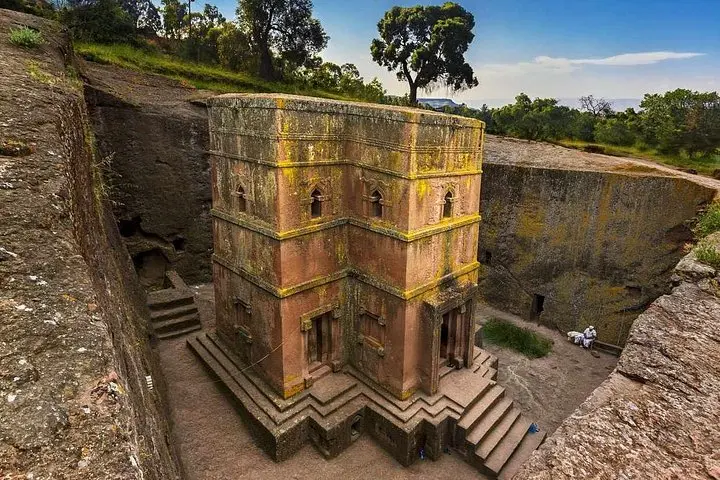
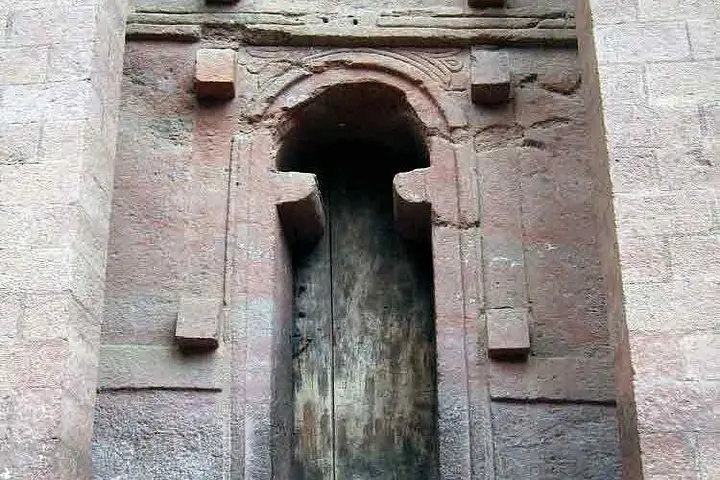
The churches date to the 12th–13th centuries under King Lalibela and were hewn from living rock—monolithic interiors, sunken courtyards and narrow passageways revealing their volcanic geology. The site is both an architectural achievement and an active place of worship: Saturday and Sunday services fill the air with prayer and incense, and local traditions—especially the coffee ceremony and embroidered liturgical robes—are integral to the experience.
On a practical level, expect uneven stone steps, low doorways and pockets of steep, rocky terrain between church groups. Lalibela sits at roughly 2,600–2,700 m elevation, so mornings feel brisk and the sun can be strong by midday. Most visitors arrive on a morning flight from Addis Ababa and spend one night in a small hotel—Lalibela Lodge or Mountain View equivalents—before an early-morning ceremony and return flight.
Plan for modest clothing for inside churches, sturdy shoes for stone surfaces, and water for hikes between sites. Entrance fees and a local guide are included on many short itineraries; guides enrich the visit with local histories and explain fragile conservation needs. Two compact days here are dense with history, ritual and raw geological presence—intense, manageable and quietly unforgettable.
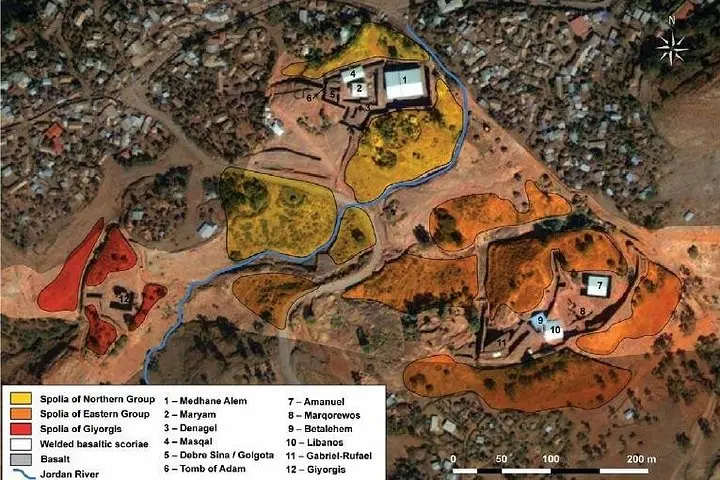
This is an overnight, two‑day itinerary: a morning flight to Lalibela, guided visits to the northern, western and eastern church groups, one night accommodation and a morning ceremony before return flight; entrance fees and airport transfers are commonly included.
Many areas have steep stairs and narrow passages; while some sites are accessible, the full circuit requires mobility—check specific accessibility options with the operator.
Visitors to Ethiopia generally need a visa for entry; no special permits are required for Lalibela beyond standard entrance fees to the church complex.
Dry months (October–March) offer clearer skies and easier travel; mornings can be cold at altitude and services are most vibrant on weekends and religious holidays.
Ethio Travel And Tours operates guided outdoor trips and adventures with an emphasis on safety, stewardship, and memorable experiences.
You step off the short domestic flight and the highland air meets you: thin, cool, and full of dust from red Ethiopian soil. A 23 km drive threads you into Lalibela, where stone stairs and candlelight guide visitors through a compact town of eleven medieval, rock-cut churches carved from volcanic tuff. By dusk the carved facades drink the last light; by dawn the bells and low chants gather worshippers in courtyards that seem to hold centuries.
You step off the short domestic flight and the highland air meets you: thin, cool, and full of dust from red Ethiopian soil. A 23 km drive threads you into Lalibela, where stone stairs and candlelight guide visitors through a compact town of eleven medieval, rock-cut churches carved from volcanic tuff. By dusk the carved facades drink the last light; by dawn the bells and low chants gather worshippers in courtyards that seem to hold centuries.
The churches date to the 12th–13th centuries under King Lalibela and were hewn from living rock—monolithic interiors, sunken courtyards and narrow passageways revealing their volcanic geology. The site is both an architectural achievement and an active place of worship: Saturday and Sunday services fill the air with prayer and incense, and local traditions—especially the coffee ceremony and embroidered liturgical robes—are integral to the experience.
On a practical level, expect uneven stone steps, low doorways and pockets of steep, rocky terrain between church groups. Lalibela sits at roughly 2,600–2,700 m elevation, so mornings feel brisk and the sun can be strong by midday. Most visitors arrive on a morning flight from Addis Ababa and spend one night in a small hotel—Lalibela Lodge or Mountain View equivalents—before an early-morning ceremony and return flight.
Plan for modest clothing for inside churches, sturdy shoes for stone surfaces, and water for hikes between sites. Entrance fees and a local guide are included on many short itineraries; guides enrich the visit with local histories and explain fragile conservation needs. Two compact days here are dense with history, ritual and raw geological presence—intense, manageable and quietly unforgettable.