THE ADVENTURE COLLECTIVE® · Independent discovery and booking for outdoor travel

Walk through churches sculpted from living rock and join a local cookery class on this 2-day tour of Lalibela. Explore ancient Zagwe architecture by day and attend a traditional Ethiopian coffee ceremony by night.
Walk through churches sculpted from living rock and join a local cookery class on this 2-day tour of Lalibela. Explore ancient Zagwe architecture by day and attend a traditional Ethiopian coffee ceremony by night.
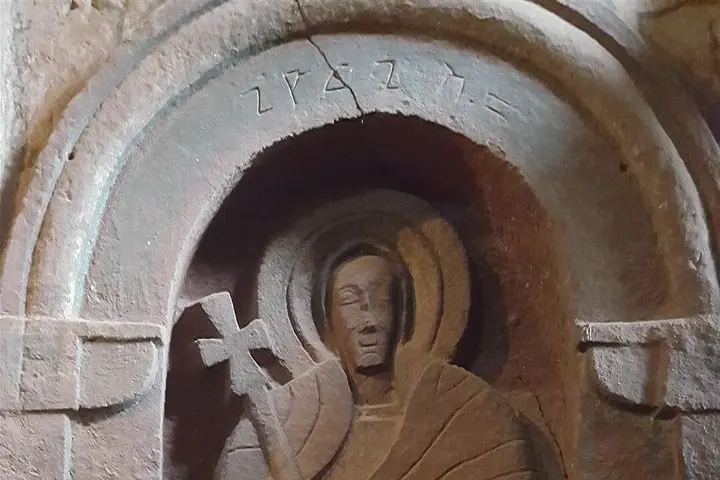
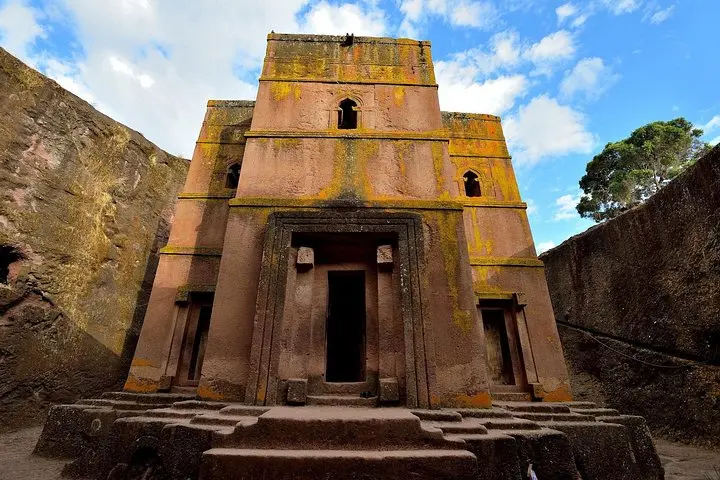
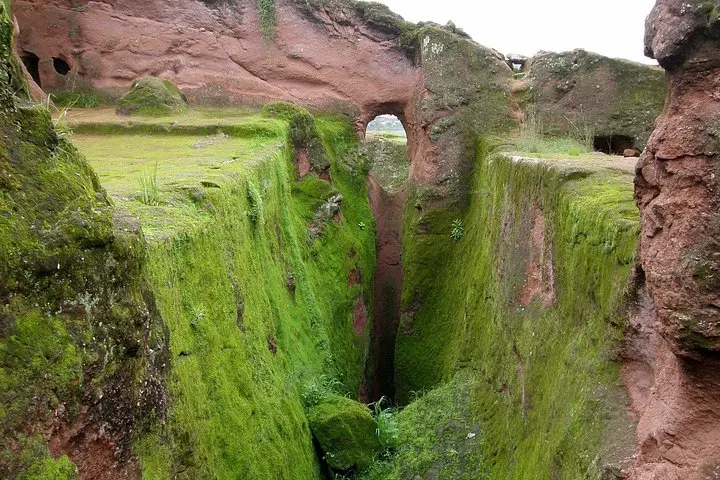
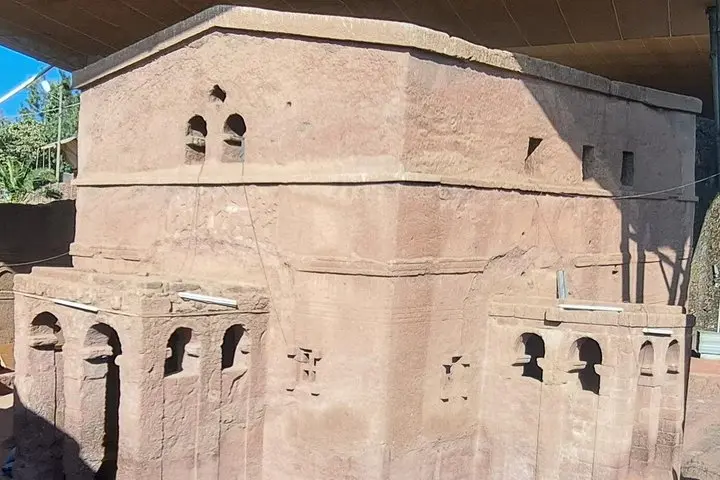
Morning light carves the sandstone as you step from the vehicle onto Lalibela’s high plateau; wind and dust insist you slow down and look. The first day moves through clusters of monolithic churches—six grouped as Earthly Jerusalem, four as Heavenly Jerusalem—each chamber cut down from living rock, staircases disappearing into shadow and courtyards opening to unexpected sky.
Verified experiences and guided adventures in the surrounding area.
Operated by Zagol Ethiopia Tours · Lalibela, Amhara
Morning light carves the sandstone as you step from the vehicle onto Lalibela’s high plateau; wind and dust insist you slow down and look. The first day moves through clusters of monolithic churches—six grouped as Earthly Jerusalem, four as Heavenly Jerusalem—each chamber cut down from living rock, staircases disappearing into shadow and courtyards opening to unexpected sky.
This tour traces the Zagwe dynasty’s ambition in stone. Built in the 12th–13th centuries, these churches are less architecture than deliberate excavation: roofs hewn level with the ground, interiors that gather incense and voice. Geology matters here—soft tufa allowed precise carving, but time and rain have polished edges into a tactile history. Culture is immediate: you’ll pass worshippers, see priests in white shawls, and may hear psalms echo in chambers that still serve as active parish churches.
Practical guidance: the itinerary is compact—two days with an overnight at Sora Lodge and guided visits before and after lunch. Expect uneven stone steps, short steep approaches and tight interior passages; modest dress is required for religious sites. Bring sturdy, closed shoes for traction, a headlamp or phone light for dim interiors, and layers for chilly mornings and warmer afternoons.
On the evening of day one you’ll join a local family for a cookery class and coffee ceremony—a direct way to learn food traditions and regional hospitality. Timing matters: early-morning services are atmospheric and best attended quietly. Hydrate at altitude, leave room in your schedule for slow observation, and let the place dictate your pace.
Most major rock-hewn churches require an entry fee covered by many guided tours; confirm admission is included when booking.
Yes—sites are physically accessible with some staircases; those with limited mobility should notify the operator ahead of time.
Yes—these are functioning churches. Dress respectfully, ask before photographing people, and follow your guide’s direction during services.
Lalibela Airport is a short drive from the town; this private tour includes pickup from Lalibela airport as described in the itinerary.
Zagol Ethiopia Tours operates guided outdoor trips and adventures with an emphasis on safety, stewardship, and memorable experiences.
Morning light carves the sandstone as you step from the vehicle onto Lalibela’s high plateau; wind and dust insist you slow down and look. The first day moves through clusters of monolithic churches—six grouped as Earthly Jerusalem, four as Heavenly Jerusalem—each chamber cut down from living rock, staircases disappearing into shadow and courtyards opening to unexpected sky.
Morning light carves the sandstone as you step from the vehicle onto Lalibela’s high plateau; wind and dust insist you slow down and look. The first day moves through clusters of monolithic churches—six grouped as Earthly Jerusalem, four as Heavenly Jerusalem—each chamber cut down from living rock, staircases disappearing into shadow and courtyards opening to unexpected sky.
This tour traces the Zagwe dynasty’s ambition in stone. Built in the 12th–13th centuries, these churches are less architecture than deliberate excavation: roofs hewn level with the ground, interiors that gather incense and voice. Geology matters here—soft tufa allowed precise carving, but time and rain have polished edges into a tactile history. Culture is immediate: you’ll pass worshippers, see priests in white shawls, and may hear psalms echo in chambers that still serve as active parish churches.
Practical guidance: the itinerary is compact—two days with an overnight at Sora Lodge and guided visits before and after lunch. Expect uneven stone steps, short steep approaches and tight interior passages; modest dress is required for religious sites. Bring sturdy, closed shoes for traction, a headlamp or phone light for dim interiors, and layers for chilly mornings and warmer afternoons.
On the evening of day one you’ll join a local family for a cookery class and coffee ceremony—a direct way to learn food traditions and regional hospitality. Timing matters: early-morning services are atmospheric and best attended quietly. Hydrate at altitude, leave room in your schedule for slow observation, and let the place dictate your pace.