THE ADVENTURE COLLECTIVE® · Independent discovery and booking for outdoor travel

Walk into a world carved from bedrock: this short, active tour threads Lalibela’s famous monolithic churches with ridgewalks and monastery overlooks. Expect close-up architecture, ritual life, and gelada sightings on high slopes.
Walk into a world carved from bedrock: this short, active tour threads Lalibela’s famous monolithic churches with ridgewalks and monastery overlooks. Expect close-up architecture, ritual life, and gelada sightings on high slopes.
You arrive in Lalibela as the light thins across a high plateau, the staggered roofs of stone churches cutting hard silhouettes against the sky. Dust from the courtyard rises when a group of pilgrims moves through a narrow trench; incense and church bells mark the rhythm of the place. Over three days you move between carved monoliths and thin ridgelines, feeling the weight of stone that was pulled from bedrock and shaped into sanctuaries.
Verified experiences and guided adventures in the surrounding area.
Operated by Adefa Tours Ethiopia · Lalibela, Amhara
You arrive in Lalibela as the light thins across a high plateau, the staggered roofs of stone churches cutting hard silhouettes against the sky. Dust from the courtyard rises when a group of pilgrims moves through a narrow trench; incense and church bells mark the rhythm of the place. Over three days you move between carved monoliths and thin ridgelines, feeling the weight of stone that was pulled from bedrock and shaped into sanctuaries.
Lalibela’s eleven rock-hewn churches date to the Zagwe dynasty (12th–13th centuries) and were intentionally chiselled downward, producing sunken courtyards, tunnels, and cruciform interiors decorated with ochre frescoes and carved reliefs. The geology here is volcanic tuff — relatively soft when worked, stubborn once exposed — which explains the compact clusters and dramatic profiles.
Local life remains intertwined with the sites: Orthodox liturgy, coffee ceremonies, and small markets spill into the lanes. Expect simple lodgings in town and a community lodge for the higher walks; local guides are customary and knowledgeable. Practicalities: mornings are best for photography and cooler hiking; afternoons can be windy and brisk.
Prepare for uneven stone steps, short steep ascents to viewpoints like Asheton Maryam, and close-up encounters with gelada troops near Abuna Yosef. Bring cash for modest entrance fees and donations, wear grippy shoes for wet fresco areas, and allow time to sit in a church doorway — the slowest moments here often reveal the most.
The itinerary covers the major clusters of Lalibela’s rock-hewn churches, including Bet Medhane Alem, Bet Giyorgis, and surrounding northwestern and southeastern groups—expect guided visits to most of the eleven principal churches.
It’s moderately active: expect hours of walking on uneven stone, stair climbs, and a day hike to Asheton Maryam; a basic level of fitness is recommended.
The listed tour includes entrance to the rock churches, two lunches, dinner, breakfast, bottled water, and a guide—carry extra cash for incidental purchases and gratuities.
Yes—gelada baboons are commonly seen on nearby slopes like Abuna Yosef; birdlife and small mammals are also possible along higher trails.
Adefa Tours Ethiopia operates guided outdoor trips and adventures with an emphasis on safety, stewardship, and memorable experiences.
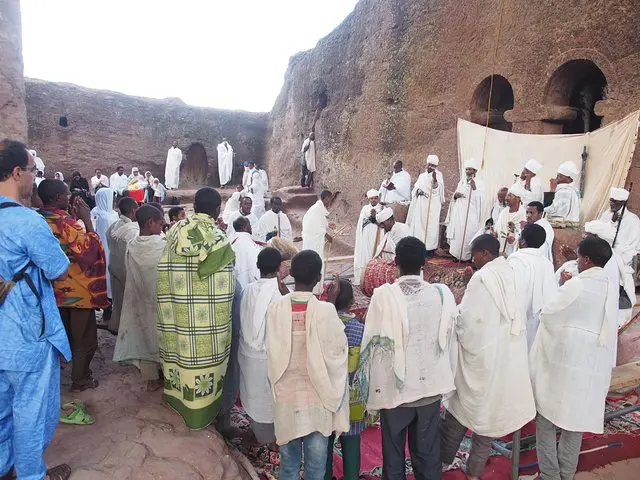
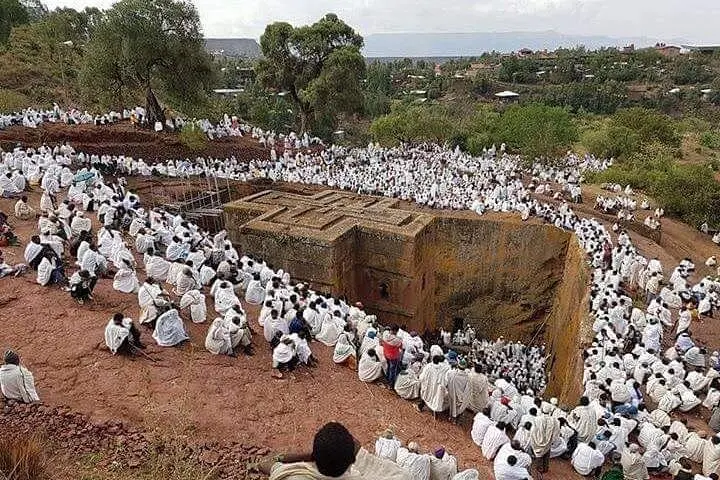
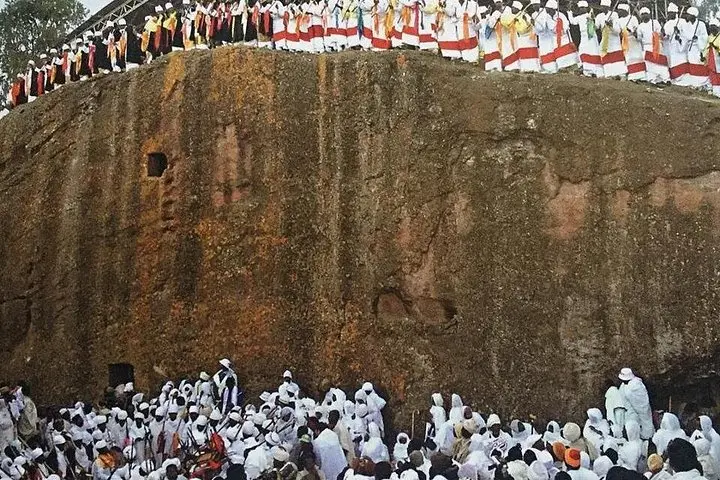
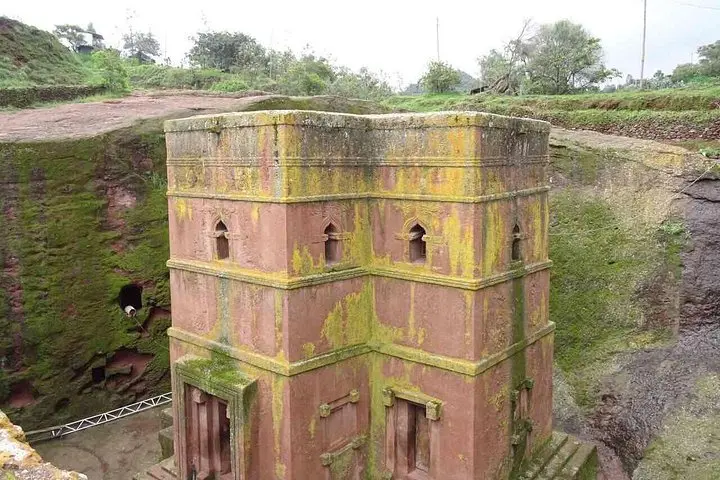
You arrive in Lalibela as the light thins across a high plateau, the staggered roofs of stone churches cutting hard silhouettes against the sky. Dust from the courtyard rises when a group of pilgrims moves through a narrow trench; incense and church bells mark the rhythm of the place. Over three days you move between carved monoliths and thin ridgelines, feeling the weight of stone that was pulled from bedrock and shaped into sanctuaries.
You arrive in Lalibela as the light thins across a high plateau, the staggered roofs of stone churches cutting hard silhouettes against the sky. Dust from the courtyard rises when a group of pilgrims moves through a narrow trench; incense and church bells mark the rhythm of the place. Over three days you move between carved monoliths and thin ridgelines, feeling the weight of stone that was pulled from bedrock and shaped into sanctuaries.
Lalibela’s eleven rock-hewn churches date to the Zagwe dynasty (12th–13th centuries) and were intentionally chiselled downward, producing sunken courtyards, tunnels, and cruciform interiors decorated with ochre frescoes and carved reliefs. The geology here is volcanic tuff — relatively soft when worked, stubborn once exposed — which explains the compact clusters and dramatic profiles.
Local life remains intertwined with the sites: Orthodox liturgy, coffee ceremonies, and small markets spill into the lanes. Expect simple lodgings in town and a community lodge for the higher walks; local guides are customary and knowledgeable. Practicalities: mornings are best for photography and cooler hiking; afternoons can be windy and brisk.
Prepare for uneven stone steps, short steep ascents to viewpoints like Asheton Maryam, and close-up encounters with gelada troops near Abuna Yosef. Bring cash for modest entrance fees and donations, wear grippy shoes for wet fresco areas, and allow time to sit in a church doorway — the slowest moments here often reveal the most.