THE ADVENTURE COLLECTIVE® · Independent discovery and booking for outdoor travel

Spend a full day exploring Lalibela’s 11 rock‑hewn churches, including the cross‑shaped Bet Giyorgis. This guided tour combines geological wonder, living Orthodox tradition, and a sunset finish with traditional music and tej.
Spend a full day exploring Lalibela’s 11 rock‑hewn churches, including the cross‑shaped Bet Giyorgis. This guided tour combines geological wonder, living Orthodox tradition, and a sunset finish with traditional music and tej.
You step out of the minibus as late afternoon light slides across the Chain Mountains, and Lalibela’s stonework seems to exhale history. Narrow lanes funnel you toward doorways cut from living rock; voices from a nearby chapel rise and fall like a ritual tide.
Verified experiences and guided adventures in the surrounding area.
Operated by Adefa Tours Ethiopia · Lalibela, Amhara Region
You step out of the minibus as late afternoon light slides across the Chain Mountains, and Lalibela’s stonework seems to exhale history. Narrow lanes funnel you toward doorways cut from living rock; voices from a nearby chapel rise and fall like a ritual tide.
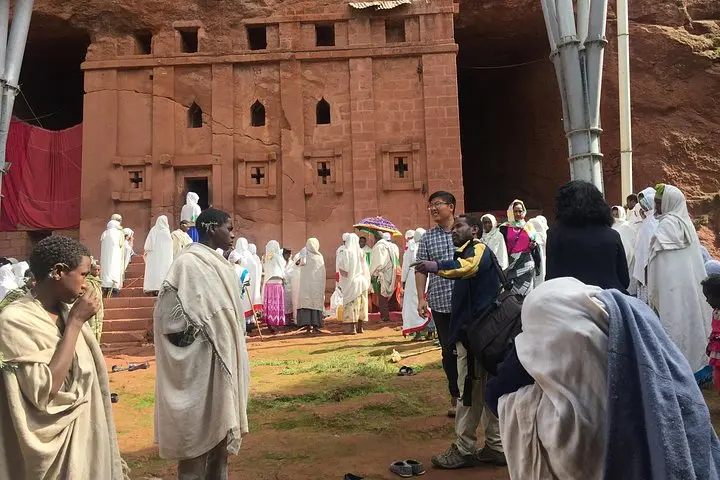
Carved in the 12th–13th centuries during the reign of King Lalibela, these 11 rock‑hewn churches were cut from volcanic tuff and linked by a maze of trenches and chapels. Geology and devotion combine here: monolithic blocks were hewn down and carved inward, producing windowless interiors that hold centuries of Ethiopian Orthodox practice. The cross‑shaped Bet Giyorgis—dedicated to St. George—dominates the ridge, an architectural act that still draws pilgrims and quiet crowds.
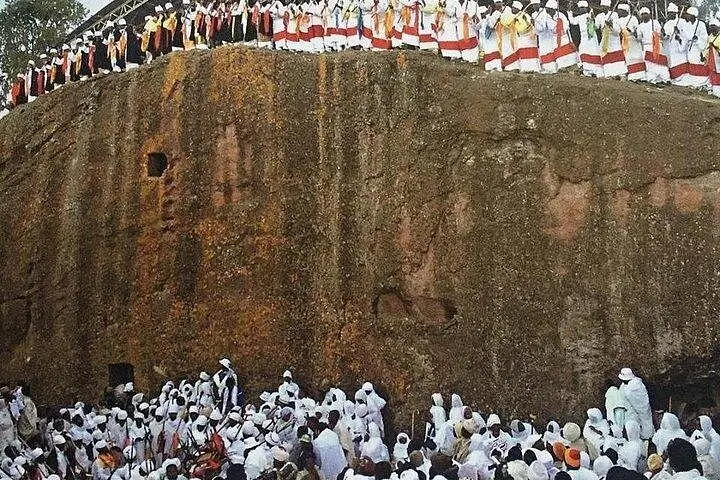
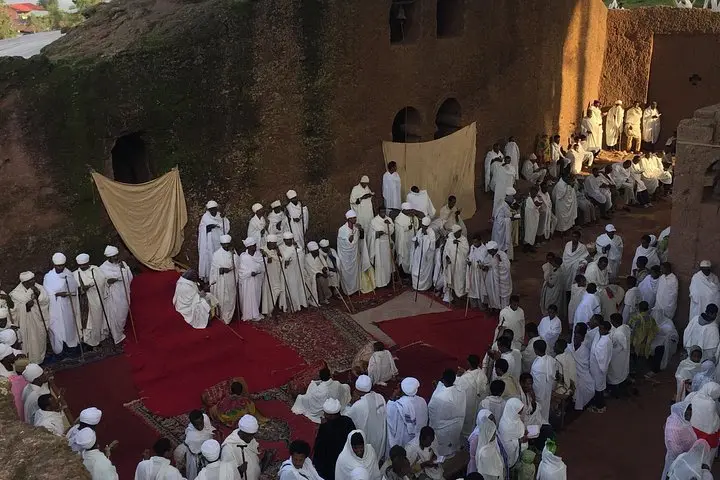
Culturally, the churches remain active; you may pass worshippers in white shamma cloth, hear liturgical chants, and see a traditional coffee ceremony or sample tej (honey wine) at an evening Tij/Tej bar accompanied by music. Local guides explain symbolic frescoes, doorway alignments and the way the landscape channels light into the sanctuaries.
Practical guidance: allow a full day for both clusters and Bet Giyorgis—expect uneven steps, narrow passages, and many stone stairways. Wear sturdy walking shoes and modest clothing (shoulders and knees covered) out of respect. Carry water, a small headlamp if you’re curious about dim interior spaces, and a camera with a modest flash policy—ask before photographing services. The site is best visited in the golden hours for softer light and fewer crowds; the late‑afternoon sunset dinner and live music described by the tour make a fitting end to a day of close, tactile history.
Yes; many churches host regular Ethiopian Orthodox services and pilgrimages—dress respectfully and be mindful during rituals.
No—it's rated easy but includes many stairs and uneven ground; people with limited mobility may find some areas difficult to access.
Yes—entrance to the churches is included in the tour price per the itinerary details.
Photography is generally allowed in non‑service areas, but ask your guide before photographing worshippers or ongoing services.
Adefa Tours Ethiopia operates guided outdoor trips and adventures with an emphasis on safety, stewardship, and memorable experiences.
You step out of the minibus as late afternoon light slides across the Chain Mountains, and Lalibela’s stonework seems to exhale history. Narrow lanes funnel you toward doorways cut from living rock; voices from a nearby chapel rise and fall like a ritual tide.
You step out of the minibus as late afternoon light slides across the Chain Mountains, and Lalibela’s stonework seems to exhale history. Narrow lanes funnel you toward doorways cut from living rock; voices from a nearby chapel rise and fall like a ritual tide.
Carved in the 12th–13th centuries during the reign of King Lalibela, these 11 rock‑hewn churches were cut from volcanic tuff and linked by a maze of trenches and chapels. Geology and devotion combine here: monolithic blocks were hewn down and carved inward, producing windowless interiors that hold centuries of Ethiopian Orthodox practice. The cross‑shaped Bet Giyorgis—dedicated to St. George—dominates the ridge, an architectural act that still draws pilgrims and quiet crowds.
Culturally, the churches remain active; you may pass worshippers in white shamma cloth, hear liturgical chants, and see a traditional coffee ceremony or sample tej (honey wine) at an evening Tij/Tej bar accompanied by music. Local guides explain symbolic frescoes, doorway alignments and the way the landscape channels light into the sanctuaries.
Practical guidance: allow a full day for both clusters and Bet Giyorgis—expect uneven steps, narrow passages, and many stone stairways. Wear sturdy walking shoes and modest clothing (shoulders and knees covered) out of respect. Carry water, a small headlamp if you’re curious about dim interior spaces, and a camera with a modest flash policy—ask before photographing services. The site is best visited in the golden hours for softer light and fewer crowds; the late‑afternoon sunset dinner and live music described by the tour make a fitting end to a day of close, tactile history.