THE ADVENTURE COLLECTIVE® · Independent discovery and booking for outdoor travel

Cruise the New River to Lamanai’s jungle-shrouded pyramids on a 6–7 hour day tour that combines wildlife viewing with centuries of Maya and colonial history. Expect boat time, temple climbs, and a local lunch.
Cruise the New River to Lamanai’s jungle-shrouded pyramids on a 6–7 hour day tour that combines wildlife viewing with centuries of Maya and colonial history. Expect boat time, temple climbs, and a local lunch.
You push off from the mangrove-shadowed bank and the New River immediately takes charge—slow, deep, and studded with reflected crowns of ceiba and palm. The boat hums upstream toward a skyline of stone: the pyramids and plazas of Lamanai rising like weathered memories through the trees. Birds wheel and call, a crocodile bobs at the surface, and the river pulls you into three millennia of Maya life.
Verified experiences and guided adventures in the surrounding area.
Operated by Cave Tubing R Us · Orange Walk Town, Orange Walk District
You push off from the mangrove-shadowed bank and the New River immediately takes charge—slow, deep, and studded with reflected crowns of ceiba and palm. The boat hums upstream toward a skyline of stone: the pyramids and plazas of Lamanai rising like weathered memories through the trees. Birds wheel and call, a crocodile bobs at the surface, and the river pulls you into three millennia of Maya life.
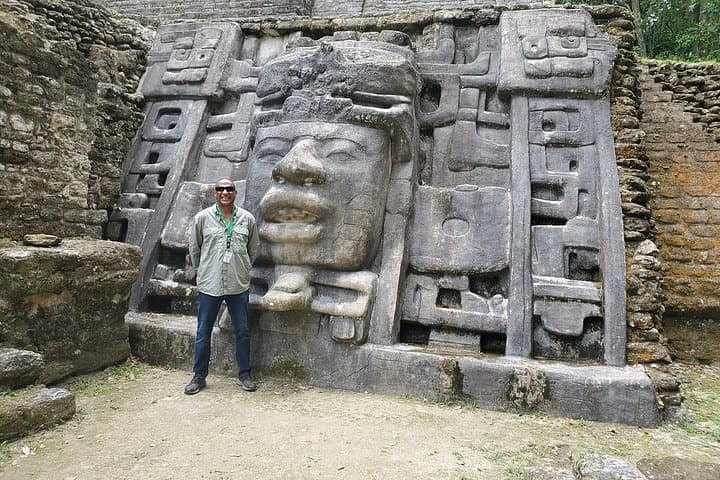
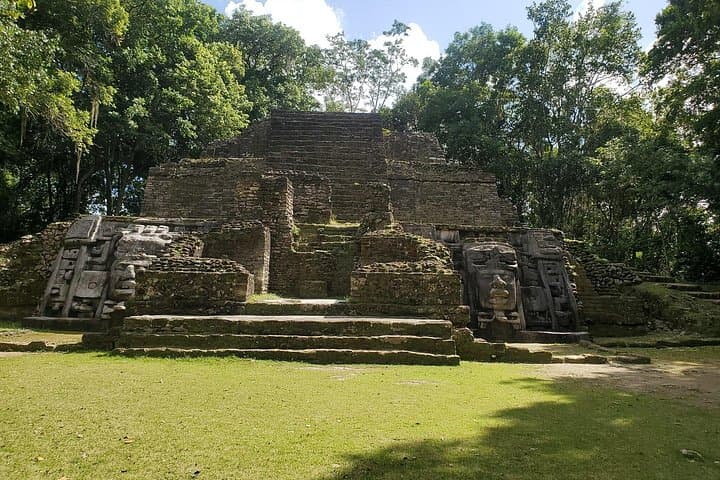
Lamanai was occupied for more than 3,000 years and remained active into the early colonial period. The site’s most iconic relief—a ruler’s face framed by a crocodile headdress—still watches the plaza where Spanish friars later built two churches. Geologically the area sits on low, limestone floor fed by karst drainage; the New River and nearby lagoons shaped routes of travel and trade that made Lamanai a regional hub.
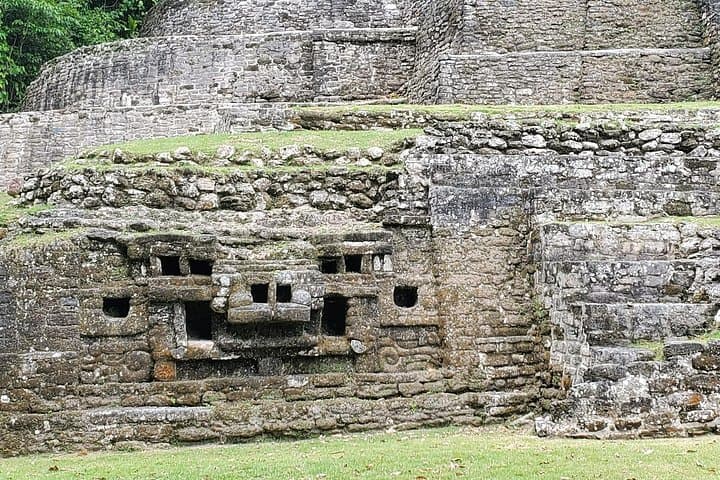
On-site, expect compacted dirt paths, stone stair climbs into shaded temple chambers, and a small onsite museum with recovered ceramics and tools. Guides point out the interplay of nature and culture: how the river defined access, how growth reclaimed plazas, and how birdlife and crocodiles continue to claim the margins.
Practical guidance: tours run 6–7 hours including round-trip boat time—bring cash for park fees or extras, wear grippy shoes for temple climbs, and pack insect repellent and sun protection. Morning departures are cooler and better for wildlife sightings; rainy-season river levels make the boat trip smoother but bring more bugs. Respect ropes and restricted areas—archaeology is fragile and best observed at arm’s length.
The tour runs about 6–7 hours and typically includes round-trip boat transport, a licensed guide, lunch, and admission to the archaeological reserve where noted.
Yes—operators use motorized river boats; the upstream journey from Orange Walk takes roughly 1–1.5 hours each way depending on conditions and wildlife stops.
You’ll climb stone temple stairs and walk uneven trails—moderate fitness is recommended; it’s not advised for those with serious back or heart conditions or for late-stage pregnancy.
Expect river birds like snail kites and jacanas, iguanas on exposed banks, and the occasional Morelet’s crocodile observed from a safe distance along the river.
Cave Tubing R Us operates guided outdoor trips and adventures with an emphasis on safety, stewardship, and memorable experiences.
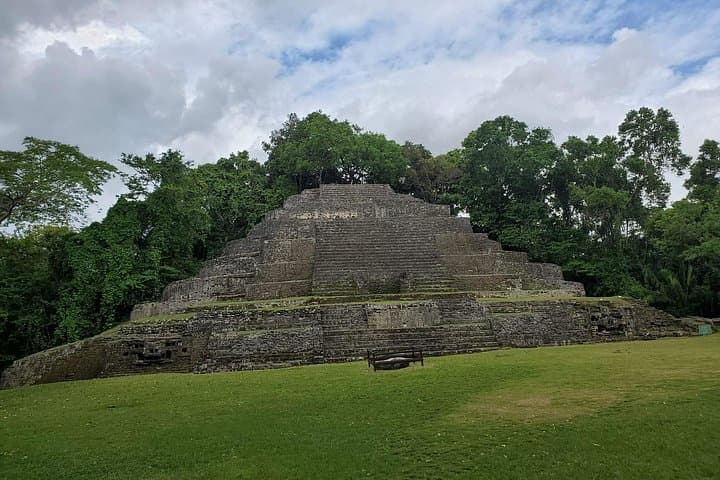
You push off from the mangrove-shadowed bank and the New River immediately takes charge—slow, deep, and studded with reflected crowns of ceiba and palm. The boat hums upstream toward a skyline of stone: the pyramids and plazas of Lamanai rising like weathered memories through the trees. Birds wheel and call, a crocodile bobs at the surface, and the river pulls you into three millennia of Maya life.
You push off from the mangrove-shadowed bank and the New River immediately takes charge—slow, deep, and studded with reflected crowns of ceiba and palm. The boat hums upstream toward a skyline of stone: the pyramids and plazas of Lamanai rising like weathered memories through the trees. Birds wheel and call, a crocodile bobs at the surface, and the river pulls you into three millennia of Maya life.
Lamanai was occupied for more than 3,000 years and remained active into the early colonial period. The site’s most iconic relief—a ruler’s face framed by a crocodile headdress—still watches the plaza where Spanish friars later built two churches. Geologically the area sits on low, limestone floor fed by karst drainage; the New River and nearby lagoons shaped routes of travel and trade that made Lamanai a regional hub.
On-site, expect compacted dirt paths, stone stair climbs into shaded temple chambers, and a small onsite museum with recovered ceramics and tools. Guides point out the interplay of nature and culture: how the river defined access, how growth reclaimed plazas, and how birdlife and crocodiles continue to claim the margins.
Practical guidance: tours run 6–7 hours including round-trip boat time—bring cash for park fees or extras, wear grippy shoes for temple climbs, and pack insect repellent and sun protection. Morning departures are cooler and better for wildlife sightings; rainy-season river levels make the boat trip smoother but bring more bugs. Respect ropes and restricted areas—archaeology is fragile and best observed at arm’s length.