THE ADVENTURE COLLECTIVE® · Independent discovery and booking for outdoor travel

Step south from Chiang Mai into Lamphun, the former capital of the Hariphunchai Kingdom, and spend a day among golden chedis and teak halls that map northern Thailand’s Lanna past. This full-day tour combines guided temple visits, cultural context, and convenient roundtrip transport.
Step south from Chiang Mai into Lamphun, the former capital of the Hariphunchai Kingdom, and spend a day among golden chedis and teak halls that map northern Thailand’s Lanna past. This full-day tour combines guided temple visits, cultural context, and convenient roundtrip transport.
The van slips out of Chiang Mai at mid-morning and the city’s bustle thins into rice paddies and low, forested ridges. By the time you crest the final rise into Lamphun, the ancient moat and a short stretch of city wall appear like a deliberate pause—guardians that dare you to step back a millennium.
Verified experiences and guided adventures in the surrounding area.
Operated by Way to Bangkok · Lamphun, Lamphun Province
The van slips out of Chiang Mai at mid-morning and the city’s bustle thins into rice paddies and low, forested ridges. By the time you crest the final rise into Lamphun, the ancient moat and a short stretch of city wall appear like a deliberate pause—guardians that dare you to step back a millennium.
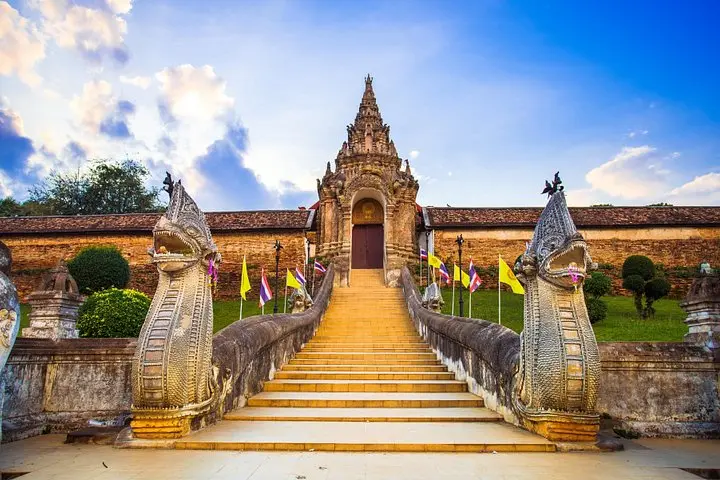
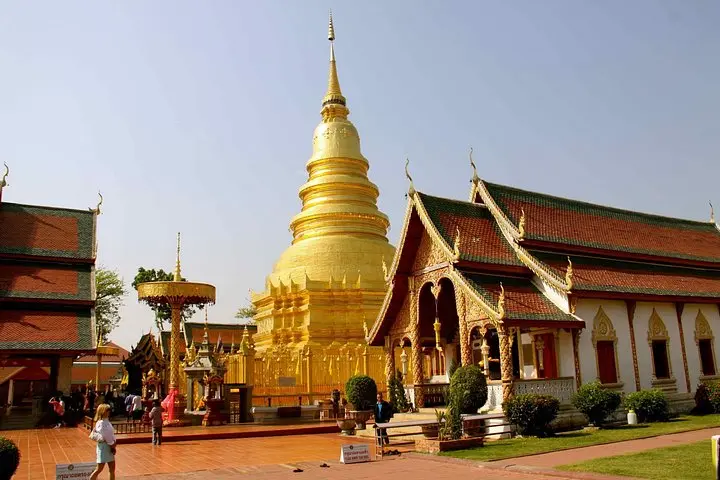
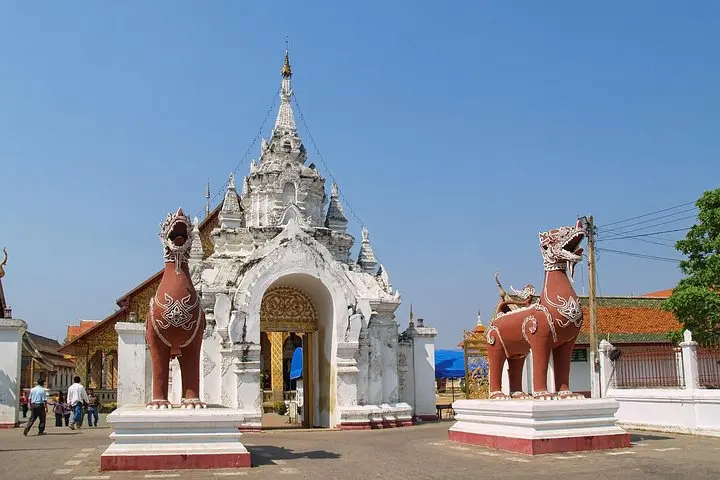
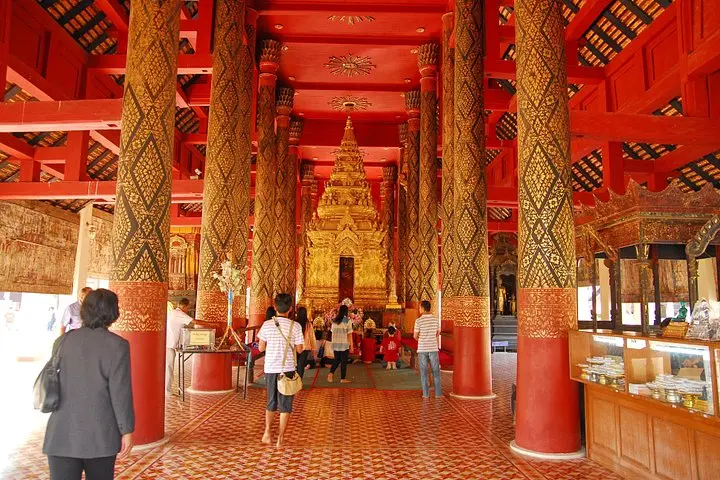
Lamphun was the heart of the Hariphunchai Kingdom, founded in the 7th century. The tour threads through Lanna-era temples: Wat Phra That Hariphunchai’s gilded 51-meter chedi, said to enshrine a relic from India, and Wat Phra That Lampang Luang’s wooden ordination hall with carved beams that recall the region’s teak-building traditions. These sites reflect a convergence of Burmese and Tai-Lao influences, the slow work of local craftsmen, and a provincial landscape shaped by the nearby Ping River plain rather than dramatic peaks.
Local life is quiet and tactile—monks sweeping courtyards, markets where sticky rice is wrapped in banana leaf. The guide will point out Pali script in old libraries and explain why some chedis bear lightning-scared tops: history written in weather and time.
Practical guidance: the full-day itinerary runs about 6–7 hours with hotel pickup, air-conditioned transport, admissions and lunch included. Dress respectfully (shoulders and knees covered) and bring a lightweight long-sleeve or scarf for temple entry; shoes are removed at thresholds. Hydrate—northern Thailand can be hot and humid—carry sunscreen and a small cash reserve for temple donations or extra snacks. Expect gentle walking on paved courtyards and some uneven wooden floors; the tour is suitable for most fitness levels and accessible to families.
Pickup is provided from Chiang Mai hotels in the morning; the tour returns to Chiang Mai in the late afternoon.
The tour’s inclusions list admission fees; your operator covers entry to scheduled temple stops listed in the itinerary.
Yes—walking is light and the tour is rated easy; however, there are steps and some uneven surfaces at temples, so mobility limitations should be discussed at booking.
Modest clothing covering shoulders and knees is required; remove shoes before entering main halls and avoid revealing attire.
Way to Bangkok operates guided outdoor trips and adventures with an emphasis on safety, stewardship, and memorable experiences.
The van slips out of Chiang Mai at mid-morning and the city’s bustle thins into rice paddies and low, forested ridges. By the time you crest the final rise into Lamphun, the ancient moat and a short stretch of city wall appear like a deliberate pause—guardians that dare you to step back a millennium.
The van slips out of Chiang Mai at mid-morning and the city’s bustle thins into rice paddies and low, forested ridges. By the time you crest the final rise into Lamphun, the ancient moat and a short stretch of city wall appear like a deliberate pause—guardians that dare you to step back a millennium.
Lamphun was the heart of the Hariphunchai Kingdom, founded in the 7th century. The tour threads through Lanna-era temples: Wat Phra That Hariphunchai’s gilded 51-meter chedi, said to enshrine a relic from India, and Wat Phra That Lampang Luang’s wooden ordination hall with carved beams that recall the region’s teak-building traditions. These sites reflect a convergence of Burmese and Tai-Lao influences, the slow work of local craftsmen, and a provincial landscape shaped by the nearby Ping River plain rather than dramatic peaks.
Local life is quiet and tactile—monks sweeping courtyards, markets where sticky rice is wrapped in banana leaf. The guide will point out Pali script in old libraries and explain why some chedis bear lightning-scared tops: history written in weather and time.
Practical guidance: the full-day itinerary runs about 6–7 hours with hotel pickup, air-conditioned transport, admissions and lunch included. Dress respectfully (shoulders and knees covered) and bring a lightweight long-sleeve or scarf for temple entry; shoes are removed at thresholds. Hydrate—northern Thailand can be hot and humid—carry sunscreen and a small cash reserve for temple donations or extra snacks. Expect gentle walking on paved courtyards and some uneven wooden floors; the tour is suitable for most fitness levels and accessible to families.