THE ADVENTURE COLLECTIVE® · Independent discovery and booking for outdoor travel

Walk Lamu Old Town’s coral streets with a local guide to discover carved doors, living craft workshops, and coastal history. This 2–3 hour tour pairs cultural insight with practical tips for timing, photography, and local eats.
Walk Lamu Old Town’s coral streets with a local guide to discover carved doors, living craft workshops, and coastal history. This 2–3 hour tour pairs cultural insight with practical tips for timing, photography, and local eats.
The tour begins in the shade of Lamu Fort, where the heat of the coast is softened by narrow alleys and the steady clop of donkeys. Guides lead small groups through streets lined with coral-stone houses, carved wooden doors, and open workshops where silversmiths and carvers are at work. Salt air from the seafront slips into courtyards, and the town’s pace makes time feel deliberate.
Verified experiences and guided adventures in the surrounding area.
Operated by Kassim Tours & Holiday Dreams · Lamu, Lamu County
The tour begins in the shade of Lamu Fort, where the heat of the coast is softened by narrow alleys and the steady clop of donkeys. Guides lead small groups through streets lined with coral-stone houses, carved wooden doors, and open workshops where silversmiths and carvers are at work. Salt air from the seafront slips into courtyards, and the town’s pace makes time feel deliberate.
Lamu Old Town is one of East Africa's oldest Swahili settlements and a UNESCO World Heritage area shaped by centuries of Indian Ocean trade and Omani influence. Buildings show reefs of coral and mangrove timber; canons outside the museum recall clashes between coastal sultanates and colonial powers. Cultural life here is vibrant: taarab music drifts from a courtyard, and traditional crafts—wave knitting, silverwork, and carved doors—are still practiced by local families.
On this 2–3 hour walking tour expect flat, often uneven coral-paved lanes, frequent shade, and multiple short stops—market stalls, the museum, the donkey sanctuary, and workshop visits. Guides explain local history and point out lesser-known alleys and places to eat Swahili cuisine.
Practical advice: wear comfortable walking shoes with grip, bring a refillable water bottle, and carry sun protection. Mornings are cooler and quieter; late afternoon light is best for photos. Respect private courtyards and ask before photographing people. If you want to extend the day, your guide can recommend sailing trips, fishing tours, and a boat ride to the Takwa Ruins on Manda Island.
The tour lasts approximately 2–3 hours and covers the main lanes, market, fort, museum, and craft workshops.
Yes; routes are stroller-accessible and the tour is rated easy, though some lanes are narrow and can be crowded.
Yes; the guide includes the Donkey Sanctuary on the route and explains local donkey welfare and town transport traditions.
Admission to museums is typically not included; the guide will recommend local places to eat but meals are paid for separately.
Kassim Tours & Holiday Dreams operates guided outdoor trips and adventures with an emphasis on safety, stewardship, and memorable experiences.

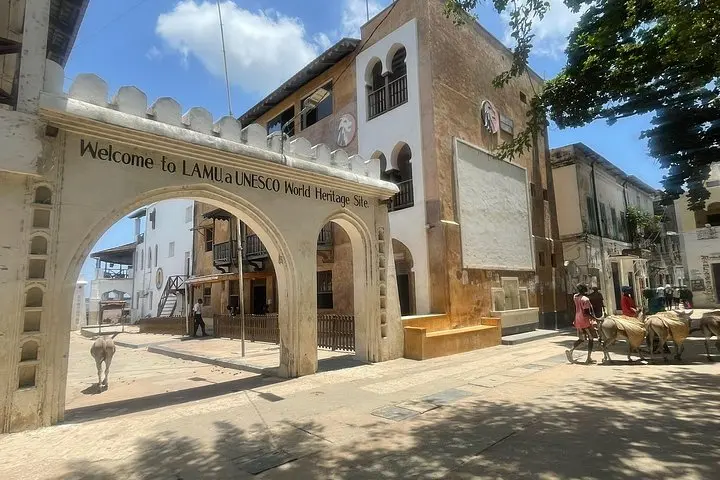
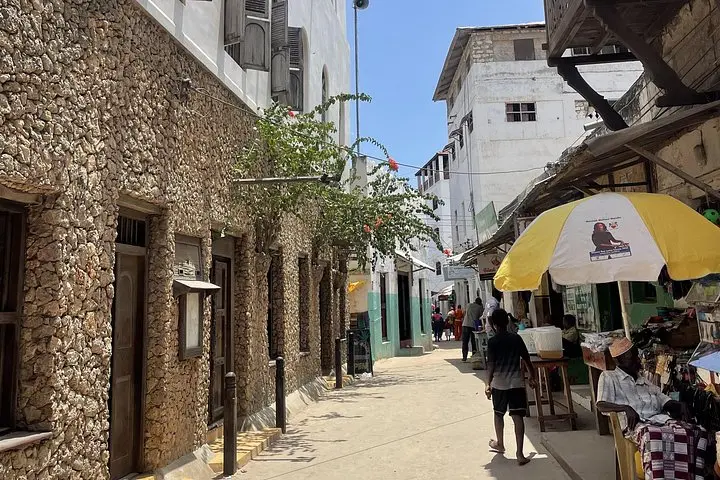
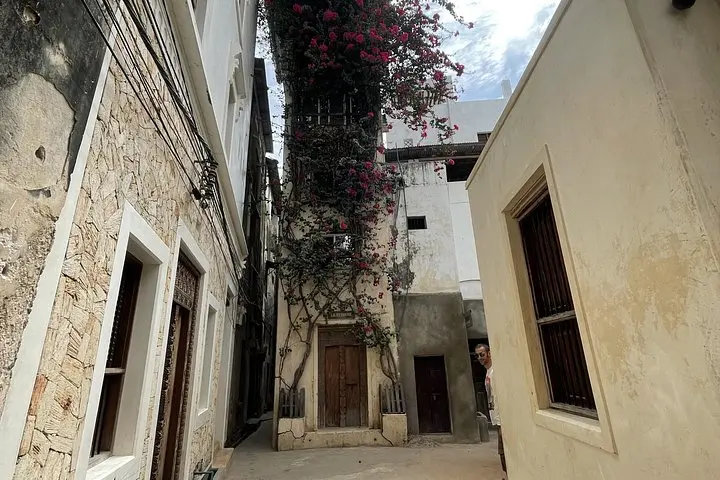
The tour begins in the shade of Lamu Fort, where the heat of the coast is softened by narrow alleys and the steady clop of donkeys. Guides lead small groups through streets lined with coral-stone houses, carved wooden doors, and open workshops where silversmiths and carvers are at work. Salt air from the seafront slips into courtyards, and the town’s pace makes time feel deliberate.
The tour begins in the shade of Lamu Fort, where the heat of the coast is softened by narrow alleys and the steady clop of donkeys. Guides lead small groups through streets lined with coral-stone houses, carved wooden doors, and open workshops where silversmiths and carvers are at work. Salt air from the seafront slips into courtyards, and the town’s pace makes time feel deliberate.
Lamu Old Town is one of East Africa's oldest Swahili settlements and a UNESCO World Heritage area shaped by centuries of Indian Ocean trade and Omani influence. Buildings show reefs of coral and mangrove timber; canons outside the museum recall clashes between coastal sultanates and colonial powers. Cultural life here is vibrant: taarab music drifts from a courtyard, and traditional crafts—wave knitting, silverwork, and carved doors—are still practiced by local families.
On this 2–3 hour walking tour expect flat, often uneven coral-paved lanes, frequent shade, and multiple short stops—market stalls, the museum, the donkey sanctuary, and workshop visits. Guides explain local history and point out lesser-known alleys and places to eat Swahili cuisine.
Practical advice: wear comfortable walking shoes with grip, bring a refillable water bottle, and carry sun protection. Mornings are cooler and quieter; late afternoon light is best for photos. Respect private courtyards and ask before photographing people. If you want to extend the day, your guide can recommend sailing trips, fishing tours, and a boat ride to the Takwa Ruins on Manda Island.