THE ADVENTURE COLLECTIVE® · Independent discovery and booking for outdoor travel

Glide past limestone towers and into cave mouths on a private 2‑hour canoe from Tuan Chau. This short trip mixes kayaking, a beach swim, and a visit to Tra Bau floating village—ideal for travelers wanting an intense, low‑commitment taste of Lan Ha Bay.
Glide past limestone towers and into cave mouths on a private 2‑hour canoe from Tuan Chau. This short trip mixes kayaking, a beach swim, and a visit to Tra Bau floating village—ideal for travelers wanting an intense, low‑commitment taste of Lan Ha Bay.
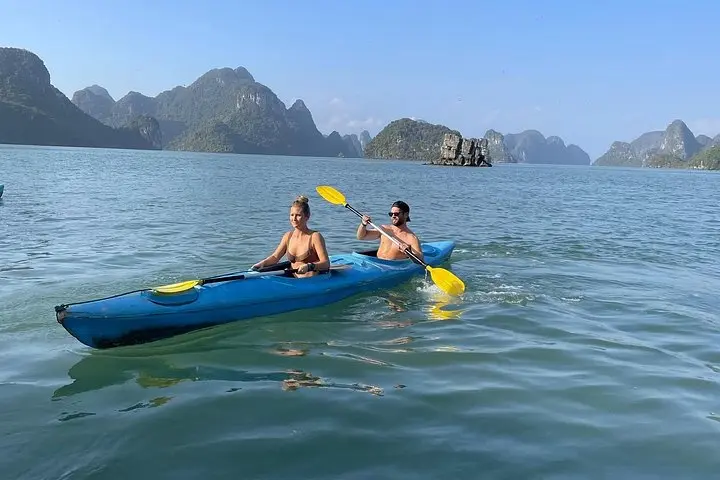
You push off from Tuan Chau’s wooden dock and the bay opens like a moving map: limestone towers rising from green water, gulls wheeling between crags, and the canoe slipping toward a narrow cave mouth that seems to breathe. The paddles cut the surface in steady rhythm while sunlight finds streaks between karst spires—Lan Ha Bay’s smaller, quieter cousin to Ha Long, but no less dramatic.
Verified experiences and guided adventures in the surrounding area.
Operated by Authentic Travel Ho Chi Minh · Tuan Chau, Quang Ninh
You push off from Tuan Chau’s wooden dock and the bay opens like a moving map: limestone towers rising from green water, gulls wheeling between crags, and the canoe slipping toward a narrow cave mouth that seems to breathe. The paddles cut the surface in steady rhythm while sunlight finds streaks between karst spires—Lan Ha Bay’s smaller, quieter cousin to Ha Long, but no less dramatic.
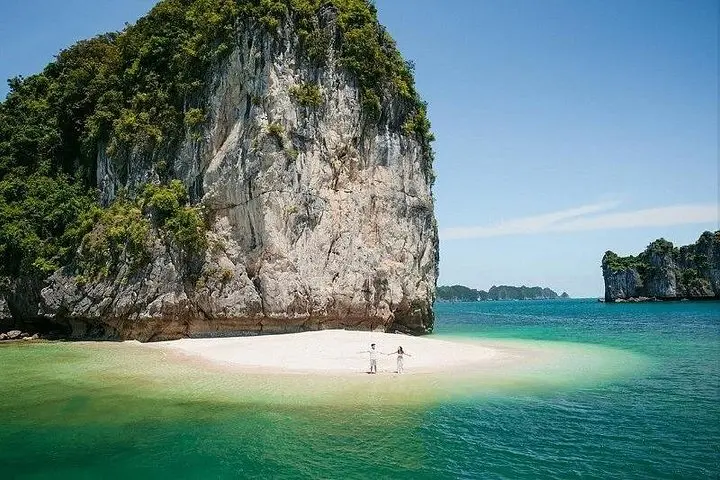
This short, private canoe loop threads Dark and Bright Cave before turning toward Ba Trai Dao beach and the stilted houses of Tra Bau floating village. The geology here is Palaeozoic limestone etched by millennia of waves and wind, producing steep cliffs, sea caves, and hidden coves. Culturally the area remains rooted in fishing and aquaculture—local rafts and fish farms are part of daily life and the bay’s cinematic appeal (parts of Kong: Skull Island were filmed nearby).
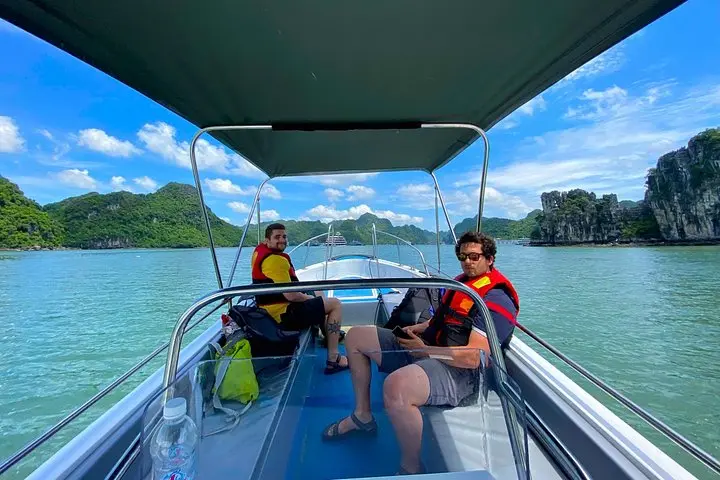
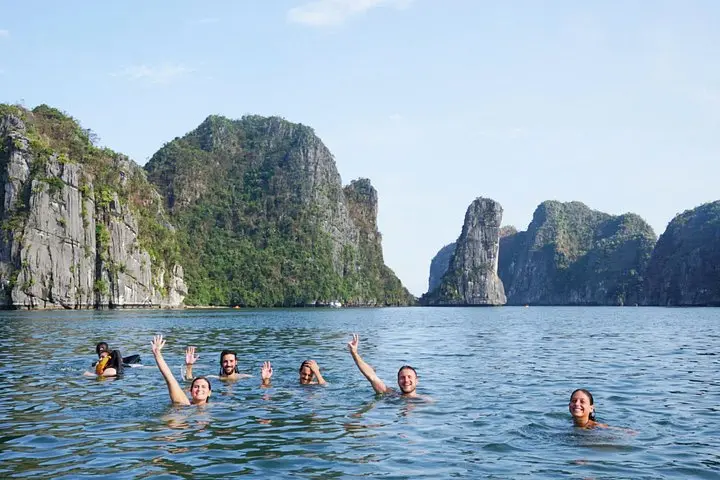
Expect close-up scenery: paddling tunnels under overhangs, quiet bays for a quick swim, and the chance to watch fishing rafts bob in emerald water. Practical notes: this is a brief, easy trip suitable for most people; bring swimwear, reef-safe sunscreen, and a light wind layer. Timing matters—mornings are glassy and less crowded, afternoons bring more traffic but warmer water.
Conserve the bay: avoid single-use plastics, respect floating village life, and follow guides’ directions when entering caves and marine zones. In two hours you’ll get both a cinematic snapshot and a real sense of why these karsts keep drawing explorers.
The tour is rated easy—paddling segments are short and guides can assist; participants of most fitness levels can join.
No advanced skills required—guides provide basic instruction and the canoe/kayak is stable for beginners.
Yes—itinerary includes stops for swimming at Ba Trai Dao or nearby coves and a visit to Tra Bau floating village when tides permit.
Bring swimwear, towel, sun protection, ID, and a small dry bag; larger luggage should stay in Ha Long/Tuan Chau as boats have limited storage.
Authentic Travel Ho Chi Minh operates guided outdoor trips and adventures with an emphasis on safety, stewardship, and memorable experiences.
You push off from Tuan Chau’s wooden dock and the bay opens like a moving map: limestone towers rising from green water, gulls wheeling between crags, and the canoe slipping toward a narrow cave mouth that seems to breathe. The paddles cut the surface in steady rhythm while sunlight finds streaks between karst spires—Lan Ha Bay’s smaller, quieter cousin to Ha Long, but no less dramatic.
You push off from Tuan Chau’s wooden dock and the bay opens like a moving map: limestone towers rising from green water, gulls wheeling between crags, and the canoe slipping toward a narrow cave mouth that seems to breathe. The paddles cut the surface in steady rhythm while sunlight finds streaks between karst spires—Lan Ha Bay’s smaller, quieter cousin to Ha Long, but no less dramatic.
This short, private canoe loop threads Dark and Bright Cave before turning toward Ba Trai Dao beach and the stilted houses of Tra Bau floating village. The geology here is Palaeozoic limestone etched by millennia of waves and wind, producing steep cliffs, sea caves, and hidden coves. Culturally the area remains rooted in fishing and aquaculture—local rafts and fish farms are part of daily life and the bay’s cinematic appeal (parts of Kong: Skull Island were filmed nearby).
Expect close-up scenery: paddling tunnels under overhangs, quiet bays for a quick swim, and the chance to watch fishing rafts bob in emerald water. Practical notes: this is a brief, easy trip suitable for most people; bring swimwear, reef-safe sunscreen, and a light wind layer. Timing matters—mornings are glassy and less crowded, afternoons bring more traffic but warmer water.
Conserve the bay: avoid single-use plastics, respect floating village life, and follow guides’ directions when entering caves and marine zones. In two hours you’ll get both a cinematic snapshot and a real sense of why these karsts keep drawing explorers.