THE ADVENTURE COLLECTIVE® · Independent discovery and booking for outdoor travel

A sharp, place-based lecture in Charleston that reframes the American Revolution through the lives of founders and the enslaved people who sought freedom. Join historians from Drayton Hall and Middleton Place for a compact, evidence-driven hour that connects house, garden, river, and choice.
A sharp, place-based lecture in Charleston that reframes the American Revolution through the lives of founders and the enslaved people who sought freedom. Join historians from Drayton Hall and Middleton Place for a compact, evidence-driven hour that connects house, garden, river, and choice.
Book with Drayton Hall Preservation Trust
Verified experiences and guided adventures in the surrounding area.
Operated by Drayton Hall Preservation Trust · Charleston, South Carolina
On the tidal edge of Charleston, South Carolina, two plantation landscapes—Drayton Hall and Middleton Place—come together in a focused, one-hour lecture that reframes the American Revolution through personal choices. Historians Amber Satterthwaite (Drayton Hall Preservation Trust) and Brandon M. Stone (Middleton Place Foundation) lead a tight narrative about friendship, power, and escape, tracing parallel lives: William Henry Drayton and Arthur Middleton on one track, and the enslaved people Samuel and Catherine Drayton and John and Lucy Banbury on another.
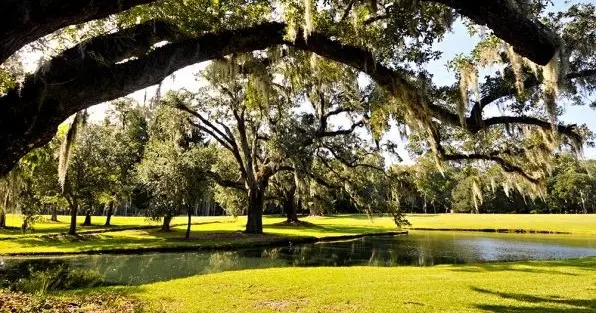
The presentation maps ideas onto land. Listeners move from grand Georgian facades and manicured terraces to rice fields, tidal marshes, and the Ashley River that shaped daily life and strategic thinking in the Lowcountry. That landscape—soft mudflats, live oaks with Spanish moss, and slow-moving tidal creeks—made mobility both possible and perilous. The talk highlights how geography intersected with politics: waterways that carried goods also carried rumor, escape, and military opportunity.
What makes this program stand out is its dual focus. Rather than centering only planter biographies, presenters interrogate how enslaved people used the chaos of war to seek freedom, aligning with British forces and pursuing options beyond the plantation. The story of Samuel and Catherine Drayton and John and Lucy Banbury illustrates choices driven by survival and agency, and the lecture treats those decisions with careful archival evidence and respect.
Practical and portable, the hour-long format suits travelers who want depth without a full-day commitment. It’s ideal for history-minded visitors staying in Charleston who plan to pair the talk with site tours at Drayton Hall or Middleton Place. Bring a notebook for references, and leave time to walk nearby grounds if the program is scheduled on-site—the meeting of house, garden, river, and rice field is where the argument takes shape.
Expect evidence-rich slides and citations drawn from plantation records, personal letters, and military correspondence, followed by a moderated Q&A that often turns to landscape — why a riverbank mattered as much as a courtroom. The talk is suited to educators, genealogists, and travelers who value nuance: you’ll leave with specific names, avenues for further reading, and steps for visiting the physical sites. Combine this lecture with a guided tour of Drayton Hall’s house or Middleton Place’s landscaped gardens to see the material traces mentioned in the talk. Both organizations frame preservation as active stewardship; attending supports interpretive programs that maintain trails, conservation easements, and community-driven research initiatives.
The program runs approximately 1 hour, typically with time for questions at the end.
Yes—bookings are provided through the program’s reservation platform; use the referral link to check availability and reserve seats.
The content is historical and may suit older children and teens; families should consider maturity and attention span for a one-hour lecture.
Yes—Amber Satterthwaite represents Drayton Hall Preservation Trust and Brandon M. Stone represents Middleton Place Foundation, offering perspectives from both organizations.
Photography is generally permitted during lectures and on outdoor grounds, but follow any rules given by staff—no flash or tripod restrictions may apply in sensitive areas.
Accessibility features vary by venue; contact the hosting organization or check the booking link for specific accommodations and support.
Drayton Hall Preservation Trust stewards Drayton Hall, a nationally significant historic property located on the Ashley River in Charleston, South Carolina. The Trust preserves America’s earliest unrestored Palladian house—often described as the nation's oldest preserved plantation house—and interprets its architectural, cultural, and archaeological stories for the public. Programming includes daily and seasonal guided tours such as the one-hour Signature Experience Tour that visits the cellar, main, and second floors and features the Steven and Laura Gates Exhibit Gallery and the Lenhardt Courtyard Garden. Educator-led Student House Tours provide 45–60 minute curriculum-based experiences exploring African American history, architectural preservation, and onsite archaeology. Evening offerings range from Candlelight Tours that illuminate 18th-century spaces to special events like Drayton Hall at Night with live lawn music and archaeological presentations. Seasonal and community events include the popular Annual Deck the Hall Oyster Roast, holiday concerts such as African American Spirituals with Ann Caldwell and The Magnolia Singers, and hands-on workshops like the Wreath Building Workshop led by local florist Lela Solomon. The Trust also collaborates with nearby institutions to offer combination itineraries—for example, joint tours and package days with Middleton Place and Charleston Strolls walking tours—giving visitors economical ways to experience Lowcountry gardens, houses, and historic streets. Interpreters and guides emphasize preservation, authenticity, and historical context. Many ticketed experiences have limited capacity, so visitors are encouraged to book in advance to secure a place. Public programming supports conservation of the house, landscape, and archaeological collections through admission and membership, and community engagement efforts nationwide.
Book with Drayton Hall Preservation Trust