THE ADVENTURE COLLECTIVE® · Independent discovery and booking for outdoor travel

Walk the streets of Langa with a local guide to understand the township’s history, community projects, and artisanal culture. This half-day tour blends street-level stories, drumming workshops, and a chance to taste local food.
Walk the streets of Langa with a local guide to understand the township’s history, community projects, and artisanal culture. This half-day tour blends street-level stories, drumming workshops, and a chance to taste local food.
A narrow street hums with conversation and the smell of frying spices; the guide gestures toward a row of painted hostels and a converted shipping container barber shop. Walking through Langa on a half-day tour feels immediate: voices, rhythms, and the steady thump of a drum from the local art centre invite you into daily life rather than a staged visit.
Verified experiences and guided adventures in the surrounding area.
Operated by Remigeous Tsuro · Cape Town, Western Cape
A narrow street hums with conversation and the smell of frying spices; the guide gestures toward a row of painted hostels and a converted shipping container barber shop. Walking through Langa on a half-day tour feels immediate: voices, rhythms, and the steady thump of a drum from the local art centre invite you into daily life rather than a staged visit.
Langa is one of Cape Town’s oldest townships, established in the 1920s during segregation policies that shaped the Cape Flats. The flat, sandy soils and low-lying terrain of the Cape Flats define the area’s geography and contribute to its compact, street-focused layout. Over decades residents have forged strong community institutions — hostels built for migrant laborers, community art centers, and informal markets — which now anchor a lively cultural scene.
Expect guided walks past significant landmarks: a community art and craft centre with pottery and drum workshops, hostels with layered histories, and small-scale microbusinesses including local beer brewing and containerized shops. Guides born and raised in Langa share oral history, explain social dynamics, and introduce food traditions — from spiced stews to locally brewed beer.
Practically, plan for 3–4 hours of mostly flat walking on mixed pavement and compacted ground. The tour typically includes hotel pickup and bottled water; bring small cash for crafts and tips, wear closed-toe shoes, and ask permission before photographing people. Respectful curiosity goes far—engage with artisans, listen to elders, and follow your guide’s lead. The experience is less about sightseeing and more about seeing with context: history, resilience, and contemporary creativity lived at street level.
Yes — most tours include hotel pickup and drop-off within central Cape Town; confirm timing and pickup location at booking.
Bottled water is usually provided; meals are not included but the itinerary may include a stop at a township restaurant for optional tasting.
Yes — the tour is family-friendly and stroller accessible in many sections, though some streets can be crowded or uneven.
Yes — the community art and craft centre sells locally made items; bring small cash for purchases and ask your guide about fair pricing.
Remigeous Tsuro operates guided outdoor trips and adventures with an emphasis on safety, stewardship, and memorable experiences.
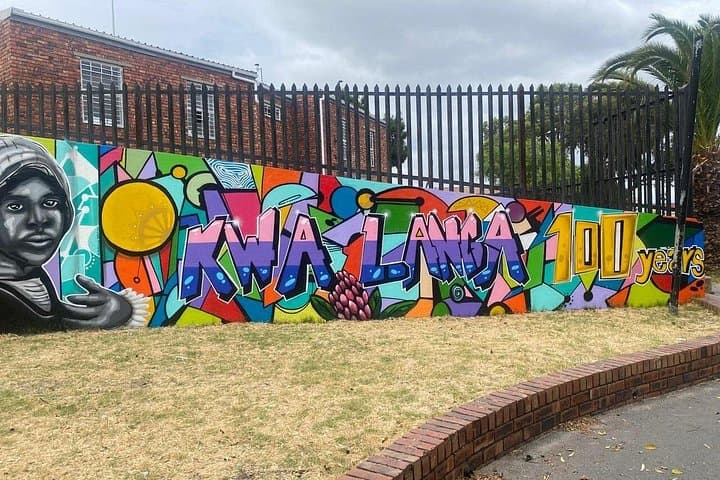
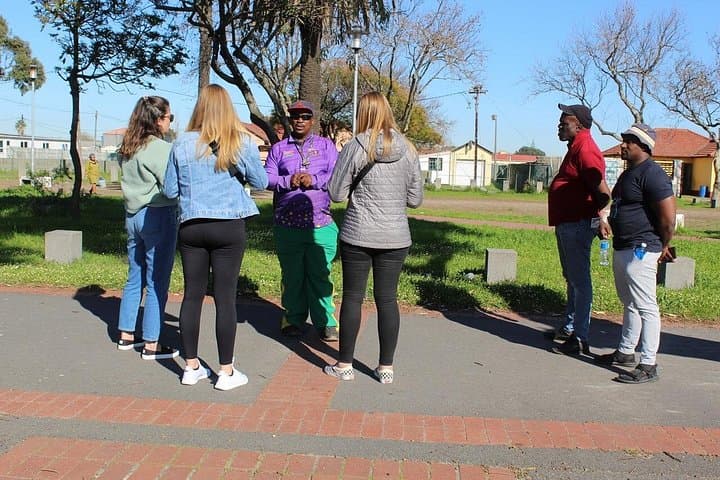
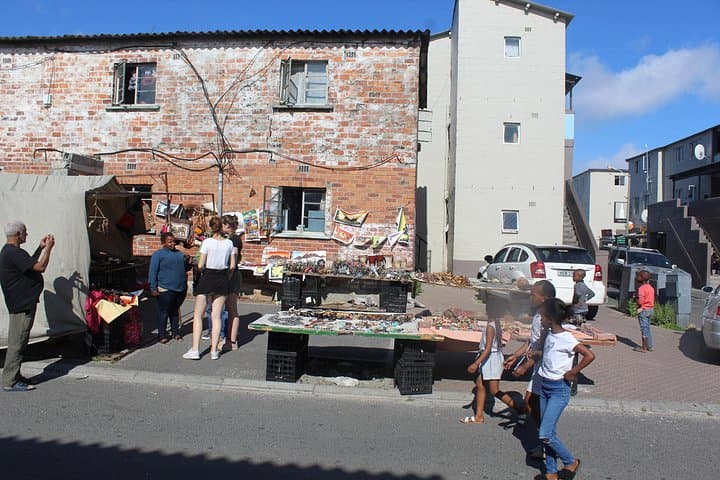
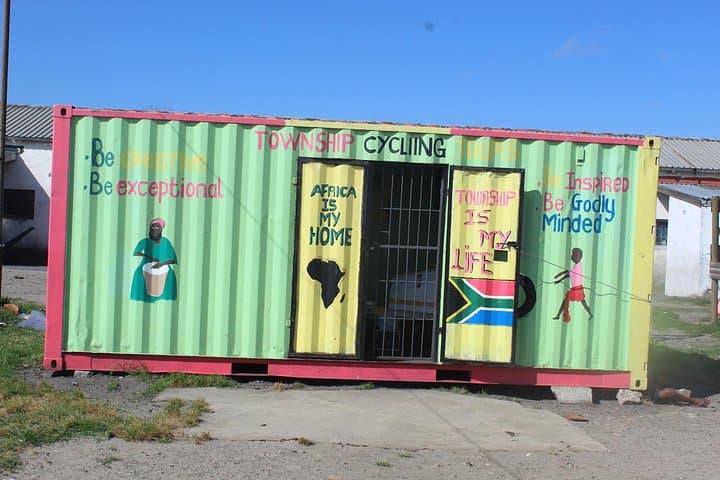
A narrow street hums with conversation and the smell of frying spices; the guide gestures toward a row of painted hostels and a converted shipping container barber shop. Walking through Langa on a half-day tour feels immediate: voices, rhythms, and the steady thump of a drum from the local art centre invite you into daily life rather than a staged visit.
A narrow street hums with conversation and the smell of frying spices; the guide gestures toward a row of painted hostels and a converted shipping container barber shop. Walking through Langa on a half-day tour feels immediate: voices, rhythms, and the steady thump of a drum from the local art centre invite you into daily life rather than a staged visit.
Langa is one of Cape Town’s oldest townships, established in the 1920s during segregation policies that shaped the Cape Flats. The flat, sandy soils and low-lying terrain of the Cape Flats define the area’s geography and contribute to its compact, street-focused layout. Over decades residents have forged strong community institutions — hostels built for migrant laborers, community art centers, and informal markets — which now anchor a lively cultural scene.
Expect guided walks past significant landmarks: a community art and craft centre with pottery and drum workshops, hostels with layered histories, and small-scale microbusinesses including local beer brewing and containerized shops. Guides born and raised in Langa share oral history, explain social dynamics, and introduce food traditions — from spiced stews to locally brewed beer.
Practically, plan for 3–4 hours of mostly flat walking on mixed pavement and compacted ground. The tour typically includes hotel pickup and bottled water; bring small cash for crafts and tips, wear closed-toe shoes, and ask permission before photographing people. Respectful curiosity goes far—engage with artisans, listen to elders, and follow your guide’s lead. The experience is less about sightseeing and more about seeing with context: history, resilience, and contemporary creativity lived at street level.