THE ADVENTURE COLLECTIVE® · Independent discovery and booking for outdoor travel

Head up Gunung Raya as day fades for a guided night drive and short walk through Langkawi’s rainforest. Expect close-up nocturnal wildlife encounters—bats, flying squirrels and the elusive colugo—paired with summit viewpoints and practical guidance for night hiking.
Head up Gunung Raya as day fades for a guided night drive and short walk through Langkawi’s rainforest. Expect close-up nocturnal wildlife encounters—bats, flying squirrels and the elusive colugo—paired with summit viewpoints and practical guidance for night hiking.
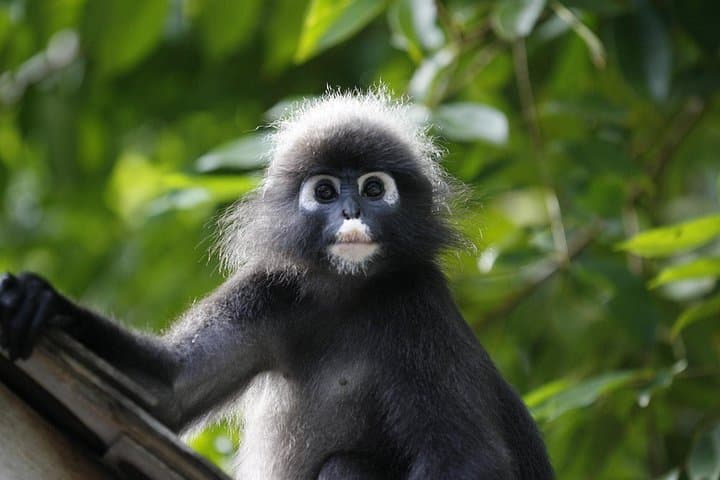
The road up Gunung Raya grows narrower as dusk deepens; headlights cut through the humid air and the rainforest below settles into a low, insected rumble. On this after-dark loop you trade daytime vistas for concentrated moments—a flash of eyeshine in the understory, the soft wingbeat of a bat, the slow, deliberate glide of a colugo as it crosses the canopy like a shadow with intent.
Verified experiences and guided adventures in the surrounding area.
Operated by JungleWalla Tours · Kuah, Kedah
The road up Gunung Raya grows narrower as dusk deepens; headlights cut through the humid air and the rainforest below settles into a low, insected rumble. On this after-dark loop you trade daytime vistas for concentrated moments—a flash of eyeshine in the understory, the soft wingbeat of a bat, the slow, deliberate glide of a colugo as it crosses the canopy like a shadow with intent.
Langkawi's hills are old: folded sedimentary layers and pockets of limestone create steep ravines and vantage points that local communities have used for generations. The island's human story is coastal and maritime, but inland the forest has its own culture of calls—hornbills, flowerpeckers and macaques staking territory under a moonlit ceiling.
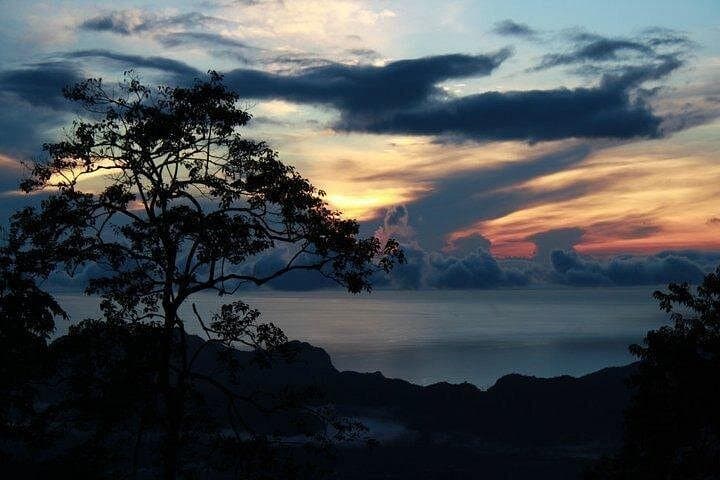
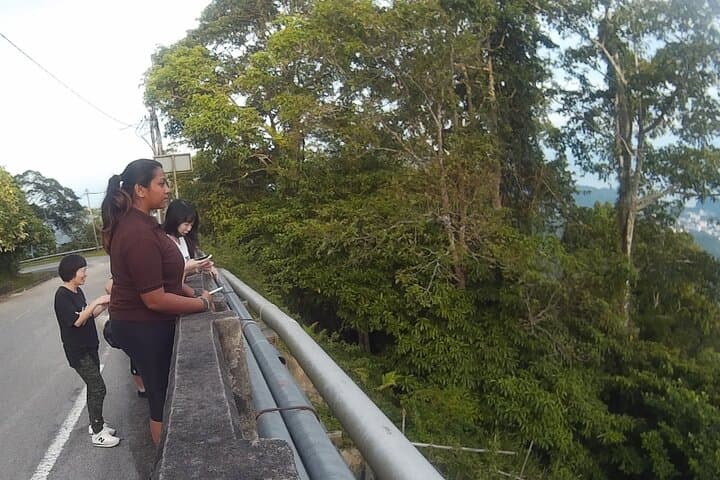
Guides drive you to summit viewpoints for wide, cooled breezes then slip you into trails toward Lubuk Semilang where nocturnal species concentrate. Expect easy walking on forest paths, stops at lookout platforms, and pointed quiet as guides scan for bats, flying squirrels and the rare colugo. The experience is sensory: the night smells of damp leaf litter; the forest seems to breathe around you, pushing and pulling with every gust.
Practically, tours run in the early evening and include hotel transfer, bottled water, and binoculars; wear closed-toe shoes, long sleeves, and bring insect repellent. Weather shifts quickly—trips can be rescheduled during monsoon rains—so pack a light rain jacket and keep your camera batteries charged. This is low-impact wildlife watching: stay on paths, move slowly, and let the forest do the surprising.
The tour runs about 2 hours for the guided portion; typical bookings include return hotel transfer, bringing total time to roughly 2–3 hours depending on pickup.
Common nocturnal sightings include bats, flying squirrels, monkeys and active forest birds; the colugo (flying lemur) is rare but possible with a patient guide.
Yes—the tour is rated easy and suitable for ages 12 and up, but people with serious mobility or cardiovascular issues should avoid it or consult the operator.
Wear long sleeves and closed-toe shoes, bring insect repellent, a headlamp with red light, and a charged camera—binoculars are often provided by the guide.
JungleWalla Tours operates guided outdoor trips and adventures with an emphasis on safety, stewardship, and memorable experiences.

The road up Gunung Raya grows narrower as dusk deepens; headlights cut through the humid air and the rainforest below settles into a low, insected rumble. On this after-dark loop you trade daytime vistas for concentrated moments—a flash of eyeshine in the understory, the soft wingbeat of a bat, the slow, deliberate glide of a colugo as it crosses the canopy like a shadow with intent.
The road up Gunung Raya grows narrower as dusk deepens; headlights cut through the humid air and the rainforest below settles into a low, insected rumble. On this after-dark loop you trade daytime vistas for concentrated moments—a flash of eyeshine in the understory, the soft wingbeat of a bat, the slow, deliberate glide of a colugo as it crosses the canopy like a shadow with intent.
Langkawi's hills are old: folded sedimentary layers and pockets of limestone create steep ravines and vantage points that local communities have used for generations. The island's human story is coastal and maritime, but inland the forest has its own culture of calls—hornbills, flowerpeckers and macaques staking territory under a moonlit ceiling.
Guides drive you to summit viewpoints for wide, cooled breezes then slip you into trails toward Lubuk Semilang where nocturnal species concentrate. Expect easy walking on forest paths, stops at lookout platforms, and pointed quiet as guides scan for bats, flying squirrels and the rare colugo. The experience is sensory: the night smells of damp leaf litter; the forest seems to breathe around you, pushing and pulling with every gust.
Practically, tours run in the early evening and include hotel transfer, bottled water, and binoculars; wear closed-toe shoes, long sleeves, and bring insect repellent. Weather shifts quickly—trips can be rescheduled during monsoon rains—so pack a light rain jacket and keep your camera batteries charged. This is low-impact wildlife watching: stay on paths, move slowly, and let the forest do the surprising.