THE ADVENTURE COLLECTIVE® · Independent discovery and booking for outdoor travel
Step inside Langkawi Wildlife Park and trade long hikes for close-up animal encounters under shaded boardwalks. This guide explains what to expect—from history and feeding shows to practical tips for timing, transport, and what to wear.
Step inside Langkawi Wildlife Park and trade long hikes for close-up animal encounters under shaded boardwalks. This guide explains what to expect—from history and feeding shows to practical tips for timing, transport, and what to wear.
Late morning light filters through the park's fully covered walkways and the air fills with calls—parrots scolding, hornbills bartering over branches—pulling you into a compact, tropical aviary that dares you to stand still.
Verified experiences and guided adventures in the surrounding area.
Operated by GlobalTix Pte Ltd · Kuah, Kedah
Late morning light filters through the park's fully covered walkways and the air fills with calls—parrots scolding, hornbills bartering over branches—pulling you into a compact, tropical aviary that dares you to stand still.
Opened in 2002 as Langkawi Bird Paradise and renamed in 2006 to reflect new exhibits, Langkawi Wildlife Park sits on flat lowland near Ayer Hangat. The site borrows the island's limestone-and-mangrove geology—calm ditches and shaded palms—so water and humidity shape the visitor experience as much as the birds do. The park is also a small cultural stage: local guides explain feeding rituals and the role of certain species in Malay folklore while educational displays touch regional conservation.
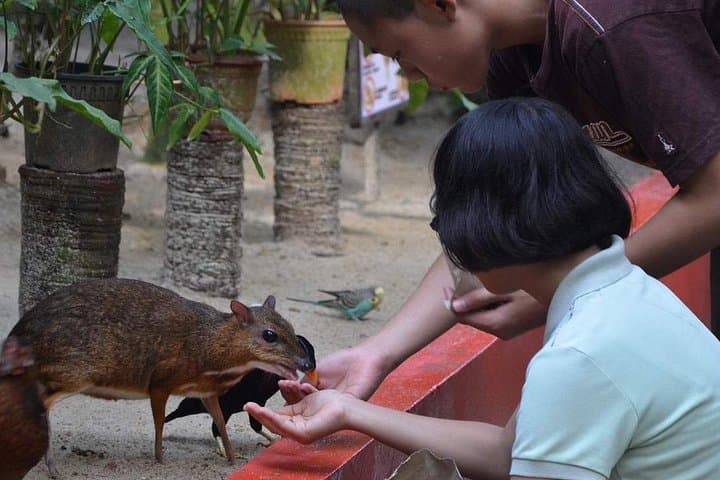
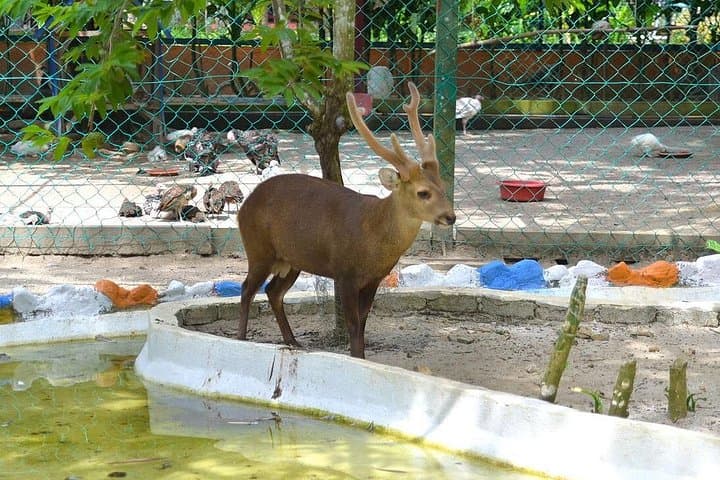
The layout favors close encounters: structured aviaries, reptile exhibits and scheduled feedings (notably crocodile feeding on Fridays and Saturdays). That makes the park ideal for families, photographers, and anyone who prefers contained, accessible wildlife viewing without long trails.
Practical guidance: plan 1–3 hours, arrive by 9:00–10:00 AM or late afternoon to avoid midday heat, and follow the park’s rules—no outside food and supervised feeding only. Wear breathable shoes for concrete and raised boardwalks; a light rain shell is handy during sudden tropical showers. Public transport and taxis connect easily from Kuah; the park is about 10–20 minutes by car. Respect enclosures, use binoculars or a short telephoto lens, and budget time for the crocodile show if it aligns with your visit. The park is straightforward, sensory, and designed for close, educational wildlife encounters.
Most visitors spend 1–3 hours exploring aviaries, exhibits and scheduled feedings; budget up to half a day if you plan to attend shows and linger for photos.
Yes—there are scheduled feedings and a crocodile feeding show on Fridays and Saturdays (check current times at the park on arrival).
The park's fully covered walkways are mostly flat and accessible, but check with staff at entry for assistance and any temporary closures to specific exhibits.
No—outside food and alcoholic beverages are prohibited to protect animal diets and the park environment.
GlobalTix Pte Ltd operates guided outdoor trips and adventures with an emphasis on safety, stewardship, and memorable experiences.
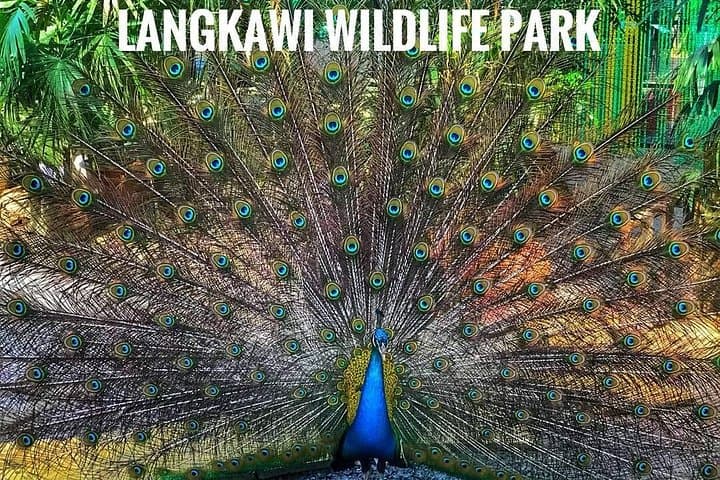
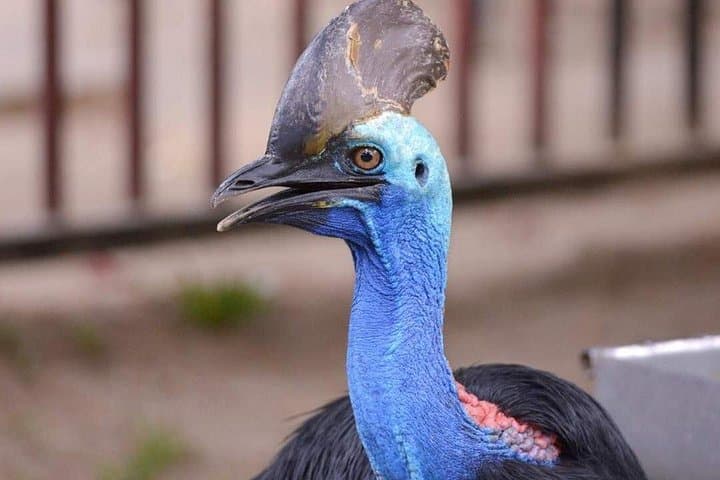
Late morning light filters through the park's fully covered walkways and the air fills with calls—parrots scolding, hornbills bartering over branches—pulling you into a compact, tropical aviary that dares you to stand still.
Late morning light filters through the park's fully covered walkways and the air fills with calls—parrots scolding, hornbills bartering over branches—pulling you into a compact, tropical aviary that dares you to stand still.
Opened in 2002 as Langkawi Bird Paradise and renamed in 2006 to reflect new exhibits, Langkawi Wildlife Park sits on flat lowland near Ayer Hangat. The site borrows the island's limestone-and-mangrove geology—calm ditches and shaded palms—so water and humidity shape the visitor experience as much as the birds do. The park is also a small cultural stage: local guides explain feeding rituals and the role of certain species in Malay folklore while educational displays touch regional conservation.
The layout favors close encounters: structured aviaries, reptile exhibits and scheduled feedings (notably crocodile feeding on Fridays and Saturdays). That makes the park ideal for families, photographers, and anyone who prefers contained, accessible wildlife viewing without long trails.
Practical guidance: plan 1–3 hours, arrive by 9:00–10:00 AM or late afternoon to avoid midday heat, and follow the park’s rules—no outside food and supervised feeding only. Wear breathable shoes for concrete and raised boardwalks; a light rain shell is handy during sudden tropical showers. Public transport and taxis connect easily from Kuah; the park is about 10–20 minutes by car. Respect enclosures, use binoculars or a short telephoto lens, and budget time for the crocodile show if it aligns with your visit. The park is straightforward, sensory, and designed for close, educational wildlife encounters.
