THE ADVENTURE COLLECTIVE® · Independent discovery and booking for outdoor travel

This 13-day Langtang trek links Kyanjin Gompa, Gosainkunda and Chisapani for dramatic high-mountain views and close cultural encounters. Plan for long days, high passes above 4,000 m, teahouse nights and mandatory permits.
This 13-day Langtang trek links Kyanjin Gompa, Gosainkunda and Chisapani for dramatic high-mountain views and close cultural encounters. Plan for long days, high passes above 4,000 m, teahouse nights and mandatory permits.
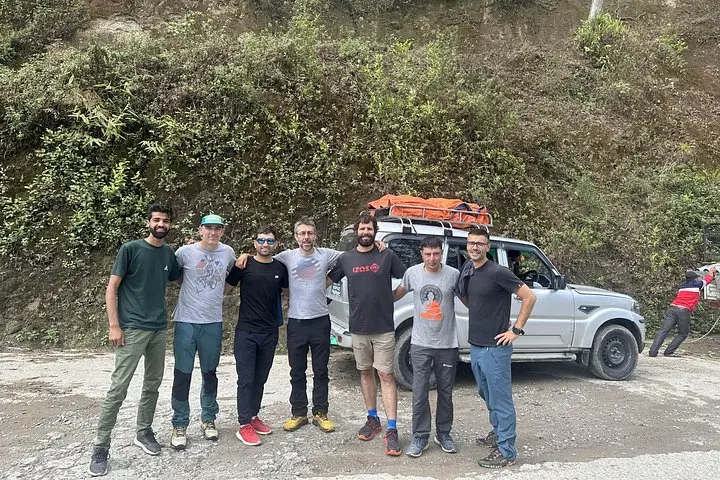
The road out of Kathmandu gives way to a long, dust-swept jeep ride; pines thin and the air turns cold enough to bite. By the second day you feel the valley’s scale: moraine-sculpted ridges, terraced fields clinging to steep slopes, and distant spires of the Langtang range pushing into the sky. At dawn Kyanjin’s roofs smoke faintly and Gosainkunda’s turquoise surface dares you with an icy edge.
Verified experiences and guided adventures in the surrounding area.
Operated by Trek Mania Nepal · Kathmandu, Bagmati Province
The road out of Kathmandu gives way to a long, dust-swept jeep ride; pines thin and the air turns cold enough to bite. By the second day you feel the valley’s scale: moraine-sculpted ridges, terraced fields clinging to steep slopes, and distant spires of the Langtang range pushing into the sky. At dawn Kyanjin’s roofs smoke faintly and Gosainkunda’s turquoise surface dares you with an icy edge.
The Langtang region sits on uplifted Himalaya where active geology carved steep valleys and glacial lakes. Culturally it is a meeting of Tibetan-Buddhist hamlets, Sherpa and Tamang communities, and monastery life centered on Kyanjin Gompa. The valley bears recent memory of the 2015 earthquake; reconstruction and sustainable tourism are central to local livelihoods.
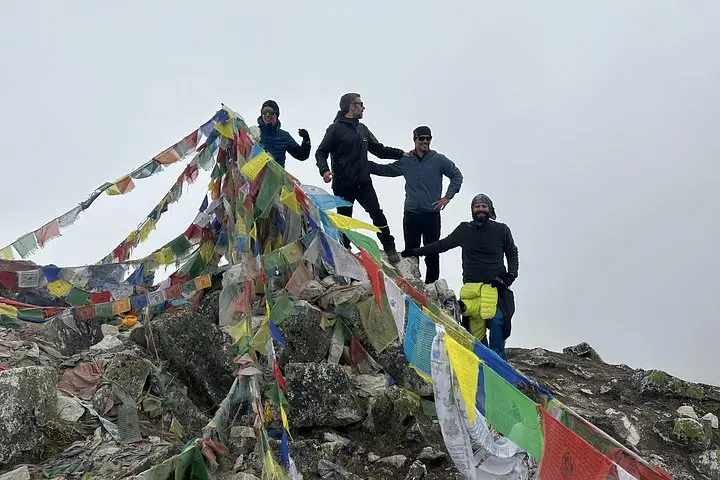
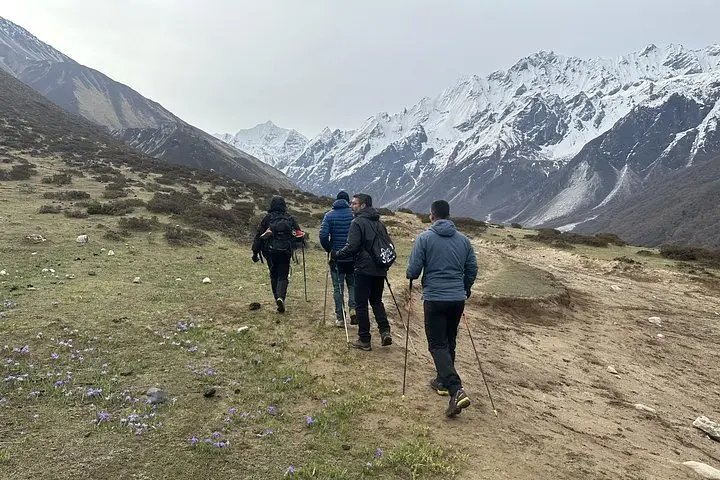
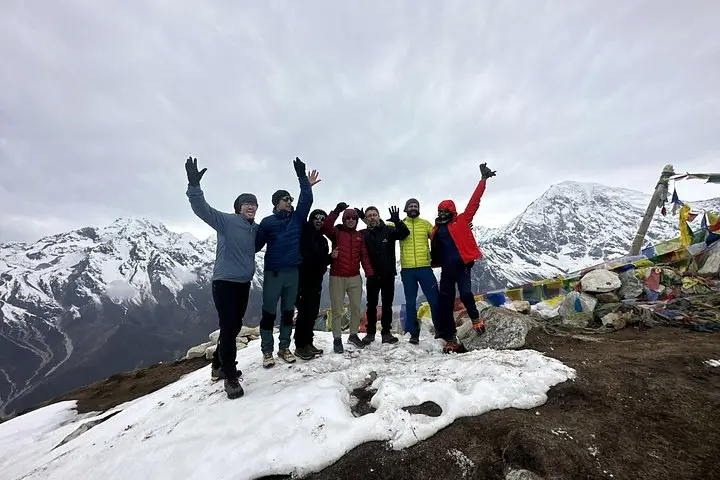
Expect a mix of high trails, stone staircases, and sticky moraine underfoot. Major highlights include Kyanjin Gompa and its ridgeline viewpoint (~4,700 m) and Gosainkunda (~4,380 m), both offering hard-earned panoramas of Langtang, Ganesh Himal and Annapurna to the west. Days are long—4–8 hours on trail—with gradual altitude gain; weather shifts quickly from sun to sleet.
Practical guidance: acclimatize with a rest day at Kyanjin or Dhunche, carry a water filter and layered insulation, and plan for teahouse lodgings on most nights. Permits (Langtang National Park, TIMS) are required and a licensed guide is strongly recommended. Hydration, conservative pacing, and a simple altitude plan will keep the trek rewarding rather than punishing.
Yes—Langtang National Park entry and a TIMS card are typically required; your operator or guide usually arranges these before or at the trailhead.
Spring (March–May) and autumn (September–November) offer the most stable weather and clear mountain views; monsoon is possible but not ideal, and winter can bring heavy snow.
Most nights are spent in teahouses or small lodges in villages like Syabrubesi, Kyanjin and Chisapani—with basic rooms, shared facilities and hot meals available.
Trail heads rise quickly to above 3,000 m and reach over 4,000 m—symptoms of acute mountain sickness can occur; ascend slowly, keep hydrated, and descend if symptoms worsen.
Trek Mania Nepal operates guided outdoor trips and adventures with an emphasis on safety, stewardship, and memorable experiences.
The road out of Kathmandu gives way to a long, dust-swept jeep ride; pines thin and the air turns cold enough to bite. By the second day you feel the valley’s scale: moraine-sculpted ridges, terraced fields clinging to steep slopes, and distant spires of the Langtang range pushing into the sky. At dawn Kyanjin’s roofs smoke faintly and Gosainkunda’s turquoise surface dares you with an icy edge.
The road out of Kathmandu gives way to a long, dust-swept jeep ride; pines thin and the air turns cold enough to bite. By the second day you feel the valley’s scale: moraine-sculpted ridges, terraced fields clinging to steep slopes, and distant spires of the Langtang range pushing into the sky. At dawn Kyanjin’s roofs smoke faintly and Gosainkunda’s turquoise surface dares you with an icy edge.
The Langtang region sits on uplifted Himalaya where active geology carved steep valleys and glacial lakes. Culturally it is a meeting of Tibetan-Buddhist hamlets, Sherpa and Tamang communities, and monastery life centered on Kyanjin Gompa. The valley bears recent memory of the 2015 earthquake; reconstruction and sustainable tourism are central to local livelihoods.
Expect a mix of high trails, stone staircases, and sticky moraine underfoot. Major highlights include Kyanjin Gompa and its ridgeline viewpoint (~4,700 m) and Gosainkunda (~4,380 m), both offering hard-earned panoramas of Langtang, Ganesh Himal and Annapurna to the west. Days are long—4–8 hours on trail—with gradual altitude gain; weather shifts quickly from sun to sleet.
Practical guidance: acclimatize with a rest day at Kyanjin or Dhunche, carry a water filter and layered insulation, and plan for teahouse lodgings on most nights. Permits (Langtang National Park, TIMS) are required and a licensed guide is strongly recommended. Hydration, conservative pacing, and a simple altitude plan will keep the trek rewarding rather than punishing.