THE ADVENTURE COLLECTIVE® · Independent discovery and booking for outdoor travel

This 15-day private trek links Langtang Valley’s alpine basins with the sacred high lakes of Gosainkunda. Expect forested approaches, high passes, monastery stays and panoramic summit views—ideal for trekkers who want cultural depth and solid acclimatization time.
This 15-day private trek links Langtang Valley’s alpine basins with the sacred high lakes of Gosainkunda. Expect forested approaches, high passes, monastery stays and panoramic summit views—ideal for trekkers who want cultural depth and solid acclimatization time.
The trail begins where Kathmandu’s dusty noise thins and the first rivulets of the Trishuli River start to dare you onward. By the time the road drops you in Syabrubesi and you shoulder your pack, the forest takes over—tall pines, moss-slick stone, and mountain air that sharpens with every step. The path climbs steadily to Lama Hotel and then up through terraced fields toward Langtang Village, where prayer flags snap in a wind that always seems to be moving toward the peaks.
Verified experiences and guided adventures in the surrounding area.
Operated by Everest Glacier Trek Pvt Ltd · Kyangjin (Kyanjin Gumba area), Bagmati Province
The trail begins where Kathmandu’s dusty noise thins and the first rivulets of the Trishuli River start to dare you onward. By the time the road drops you in Syabrubesi and you shoulder your pack, the forest takes over—tall pines, moss-slick stone, and mountain air that sharpens with every step. The path climbs steadily to Lama Hotel and then up through terraced fields toward Langtang Village, where prayer flags snap in a wind that always seems to be moving toward the peaks.
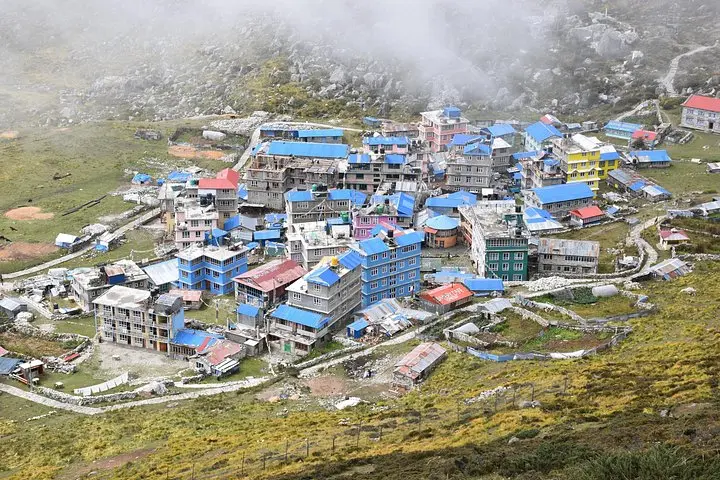
This route threads two different Himalayan stories: Langtang’s glacial amphitheaters and the high, sacred basins of Gosainkunda. Geologically the valley is young—active uplift and past glacier advances carved narrow gorges, exposed moraine ridges and the steep faces of Langtang Lirung (7,227m). Culturally the trek crosses Tamang and Tibetan-Buddhist communities; Kyanjin Gumba is a working monastery and a place where yak cheese and prayer wheels are everyday markers of life at altitude.
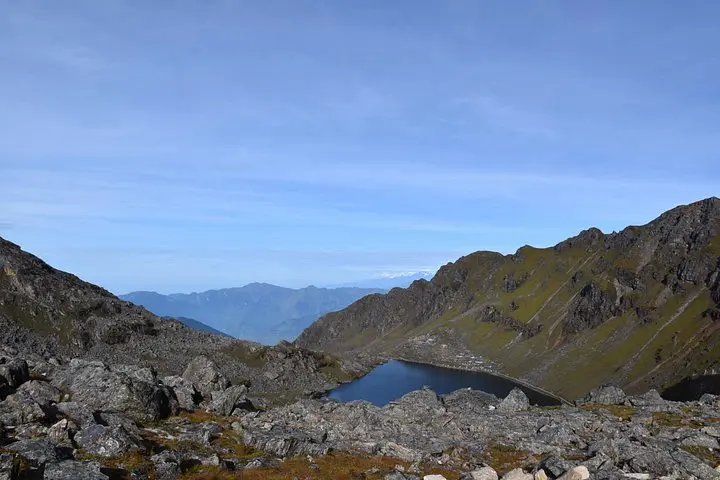
The itinerary balances long approach days—Syabrubesi to Lama Hotel (11.3 km, ~2500m) and longer transition legs like Chisapani to Sundarijal (16 km, descent to ~1460m)—with acclimatization at Kyanjin Gumba and a summit-style day hike to Cherko-Ri (4,984m) for sweeping views. The Gosainkunda section climbs to roughly 4,380m across exposed alpine saddles and lakes that Hindus revere; expect rocky paths, scree fields and occasional snow late in the season.
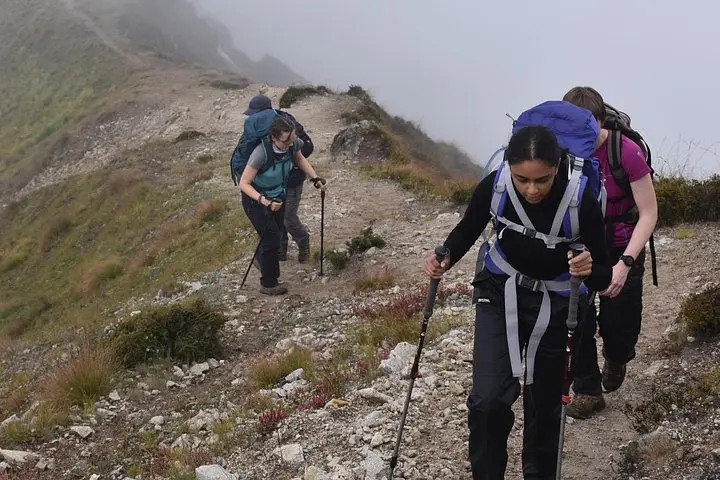
Practical planning matters here. Take at least 15 days to allow proper acclimatization and the flexibility to wait out bad weather. Guides on this itinerary handle permits, lodge bookings and porter logistics—two guests to one porter is typical—so you can travel lighter and maintain a steady pace. Good footwear with a sturdy sole and ankle support is non-negotiable; yak pasture and high-pass travel mean muddy boots and loose rock are part of the day.
Water treatment and layered insulation are essential: temperatures swing from mild valley afternoons to sub-freezing nights above 3,500m. Morning starts are your friend—trail traffic is lower and clouds often clear for late-morning views. Respect local customs in villages (ask before photographing) and leave no trace in alpine meadows; these fragile environments recover slowly.
For anyone comfortable on sustained ascents, this circuit rewards with remote lakes, panoramic Himalayan ridgelines and honest cultural exchange. The pace is deliberate: steep climb, open view, village tea and another night under a metal roof—simple, but exactly what a Himalayan trek is meant to deliver.
Yes—Langtang National Park permit and TIMS card are required; guides usually arrange these and include them in the package.
Cherko-Ri is steep and reaches nearly 5,000m—expect 4–6 hours round trip from Kyanjin with significant elevation gain and loose scree near the top.
Teahouses with basic rooms, communal dining, and shared bathrooms; standards vary by village and become simpler at higher elevations.
Intermittent—some villages like Lama Hotel and Kyanjin offer paid Wi‑Fi or mobile reception, but expect long stretches without service.
A licensed guide is strongly recommended for permits, navigation and altitude safety; this tour is sold as private guided.
Acute mountain sickness can occur—follow acclimatization days, stay hydrated, ascend slowly and communicate symptoms to your guide immediately.
Everest Glacier Trek Pvt Ltd operates guided outdoor trips and adventures with an emphasis on safety, stewardship, and memorable experiences.
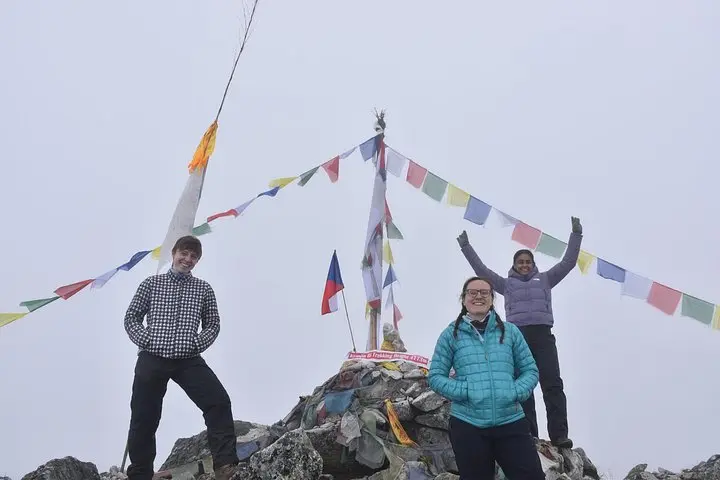
The trail begins where Kathmandu’s dusty noise thins and the first rivulets of the Trishuli River start to dare you onward. By the time the road drops you in Syabrubesi and you shoulder your pack, the forest takes over—tall pines, moss-slick stone, and mountain air that sharpens with every step. The path climbs steadily to Lama Hotel and then up through terraced fields toward Langtang Village, where prayer flags snap in a wind that always seems to be moving toward the peaks.
The trail begins where Kathmandu’s dusty noise thins and the first rivulets of the Trishuli River start to dare you onward. By the time the road drops you in Syabrubesi and you shoulder your pack, the forest takes over—tall pines, moss-slick stone, and mountain air that sharpens with every step. The path climbs steadily to Lama Hotel and then up through terraced fields toward Langtang Village, where prayer flags snap in a wind that always seems to be moving toward the peaks.
This route threads two different Himalayan stories: Langtang’s glacial amphitheaters and the high, sacred basins of Gosainkunda. Geologically the valley is young—active uplift and past glacier advances carved narrow gorges, exposed moraine ridges and the steep faces of Langtang Lirung (7,227m). Culturally the trek crosses Tamang and Tibetan-Buddhist communities; Kyanjin Gumba is a working monastery and a place where yak cheese and prayer wheels are everyday markers of life at altitude.
The itinerary balances long approach days—Syabrubesi to Lama Hotel (11.3 km, ~2500m) and longer transition legs like Chisapani to Sundarijal (16 km, descent to ~1460m)—with acclimatization at Kyanjin Gumba and a summit-style day hike to Cherko-Ri (4,984m) for sweeping views. The Gosainkunda section climbs to roughly 4,380m across exposed alpine saddles and lakes that Hindus revere; expect rocky paths, scree fields and occasional snow late in the season.
Practical planning matters here. Take at least 15 days to allow proper acclimatization and the flexibility to wait out bad weather. Guides on this itinerary handle permits, lodge bookings and porter logistics—two guests to one porter is typical—so you can travel lighter and maintain a steady pace. Good footwear with a sturdy sole and ankle support is non-negotiable; yak pasture and high-pass travel mean muddy boots and loose rock are part of the day.
Water treatment and layered insulation are essential: temperatures swing from mild valley afternoons to sub-freezing nights above 3,500m. Morning starts are your friend—trail traffic is lower and clouds often clear for late-morning views. Respect local customs in villages (ask before photographing) and leave no trace in alpine meadows; these fragile environments recover slowly.
For anyone comfortable on sustained ascents, this circuit rewards with remote lakes, panoramic Himalayan ridgelines and honest cultural exchange. The pace is deliberate: steep climb, open view, village tea and another night under a metal roof—simple, but exactly what a Himalayan trek is meant to deliver.