THE ADVENTURE COLLECTIVE® · Independent discovery and booking for outdoor travel

A multi-day trek through Langtang National Park linking Helambu villages to sacred Gosainkunda lakes via a nearly 4,900 m pass. Expect rhododendron forests, high alpine basins and simple lodge nights run by local hosts.
A multi-day trek through Langtang National Park linking Helambu villages to sacred Gosainkunda lakes via a nearly 4,900 m pass. Expect rhododendron forests, high alpine basins and simple lodge nights run by local hosts.
You step out of the dusty bus at Syabrubesi with cold air pushing at your jacket and a ridge of serrated peaks cutting the sky. The trail immediately narrows into rhododendron and oak, terraces slipping away beneath villages whose prayer flags snap like small, persistent drums. Higher up, the forest opens to carved moraine and a raw, glacial smell that dares you onward toward Tserkuri pass and the rim of the Langtang basin.
Verified experiences and guided adventures in the surrounding area.
Operated by Gokyo Treks and Expedition Pvt Ltd · Syabrubesi, Bagmati Province
You step out of the dusty bus at Syabrubesi with cold air pushing at your jacket and a ridge of serrated peaks cutting the sky. The trail immediately narrows into rhododendron and oak, terraces slipping away beneath villages whose prayer flags snap like small, persistent drums. Higher up, the forest opens to carved moraine and a raw, glacial smell that dares you onward toward Tserkuri pass and the rim of the Langtang basin.
The route threads history and Himalayan geology: folded metamorphic rock and ancient glacial tills shaped by repeated ice advances, and villages whose Tamang and Sherpa families trace pastoral and Buddhist traditions—Langtang itself reportedly named after a lama who followed a runaway yak. Gosainkunda holds religious importance for Hindus and Buddhists; Suryakunda and neighboring lakes are seasonal pilgrimage stops.
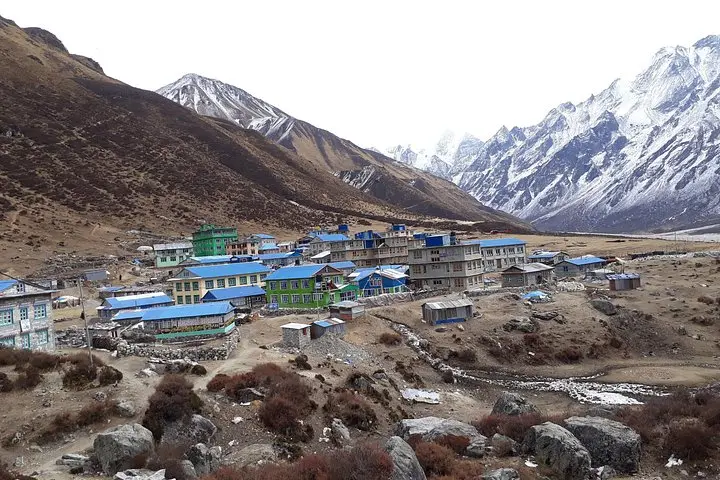
Expect remote lodges run by local hosts, simple meals, and wide alpine views where Langtang Lirung presides. Altitude is the defining variable—passes near 4,900 m push the body and change weather fast. Trails range from forested singletrack to rocky, sometimes icy cols; river crossings and moraine require careful footing.
Practical guidance: plan 5–7 days on-trail with buffer days for acclimatization, carry layers and sleep system for cold nights, and prioritize hydration and a slow ascent to reduce altitude risk. Local guides and porters are common and recommended for navigation and cultural connection. Trail conditions vary by season—spring and autumn offer the most stable windows; winter is for experienced mountaineers only. With solid fitness and respect for high-altitude care, this trek is a raw, immersive Himalayan experience.
Yes—licensed local guides are strongly recommended for navigation, permit handling, and cultural interpretation; they also help manage altitude-related decisions.
You need Langtang National Park permits and TIMS or equivalent trekking registration; local agencies typically arrange these before departure.
The pass is strenuous due to altitude and exposure; expect steep, rocky sections and variable weather—proper acclimatization and early starts are important.
Spring (March–May) and autumn (September–November) offer the most stable weather and clearer views; monsoon months bring heavy rain and leeches, and winter is cold with increased avalanche risk.
Gokyo Treks and Expedition Pvt Ltd operates guided outdoor trips and adventures with an emphasis on safety, stewardship, and memorable experiences.
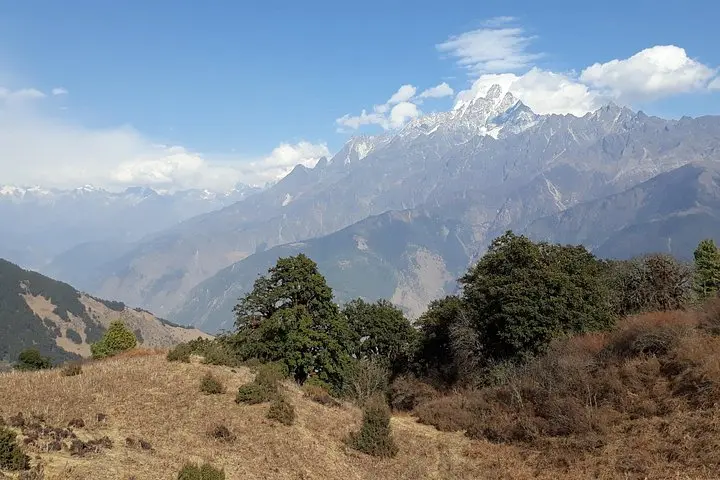
You step out of the dusty bus at Syabrubesi with cold air pushing at your jacket and a ridge of serrated peaks cutting the sky. The trail immediately narrows into rhododendron and oak, terraces slipping away beneath villages whose prayer flags snap like small, persistent drums. Higher up, the forest opens to carved moraine and a raw, glacial smell that dares you onward toward Tserkuri pass and the rim of the Langtang basin.
You step out of the dusty bus at Syabrubesi with cold air pushing at your jacket and a ridge of serrated peaks cutting the sky. The trail immediately narrows into rhododendron and oak, terraces slipping away beneath villages whose prayer flags snap like small, persistent drums. Higher up, the forest opens to carved moraine and a raw, glacial smell that dares you onward toward Tserkuri pass and the rim of the Langtang basin.
The route threads history and Himalayan geology: folded metamorphic rock and ancient glacial tills shaped by repeated ice advances, and villages whose Tamang and Sherpa families trace pastoral and Buddhist traditions—Langtang itself reportedly named after a lama who followed a runaway yak. Gosainkunda holds religious importance for Hindus and Buddhists; Suryakunda and neighboring lakes are seasonal pilgrimage stops.
Expect remote lodges run by local hosts, simple meals, and wide alpine views where Langtang Lirung presides. Altitude is the defining variable—passes near 4,900 m push the body and change weather fast. Trails range from forested singletrack to rocky, sometimes icy cols; river crossings and moraine require careful footing.
Practical guidance: plan 5–7 days on-trail with buffer days for acclimatization, carry layers and sleep system for cold nights, and prioritize hydration and a slow ascent to reduce altitude risk. Local guides and porters are common and recommended for navigation and cultural connection. Trail conditions vary by season—spring and autumn offer the most stable windows; winter is for experienced mountaineers only. With solid fitness and respect for high-altitude care, this trek is a raw, immersive Himalayan experience.