THE ADVENTURE COLLECTIVE® · Independent discovery and booking for outdoor travel

A 10-day trek into Nepal’s Langtang Valley that balances close-up Himalayan peaks with village culture and teahouse comfort. Hike to Kyanjin Gompa and Tserko Ri for panoramic views while managing altitude and variable mountain weather.
A 10-day trek into Nepal’s Langtang Valley that balances close-up Himalayan peaks with village culture and teahouse comfort. Hike to Kyanjin Gompa and Tserko Ri for panoramic views while managing altitude and variable mountain weather.
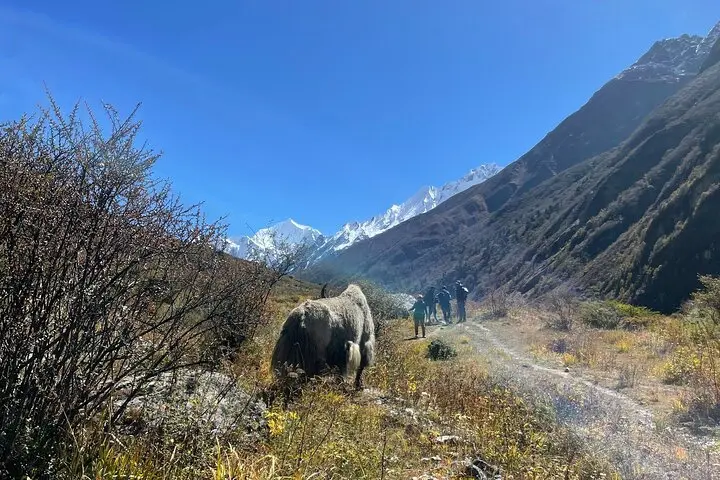
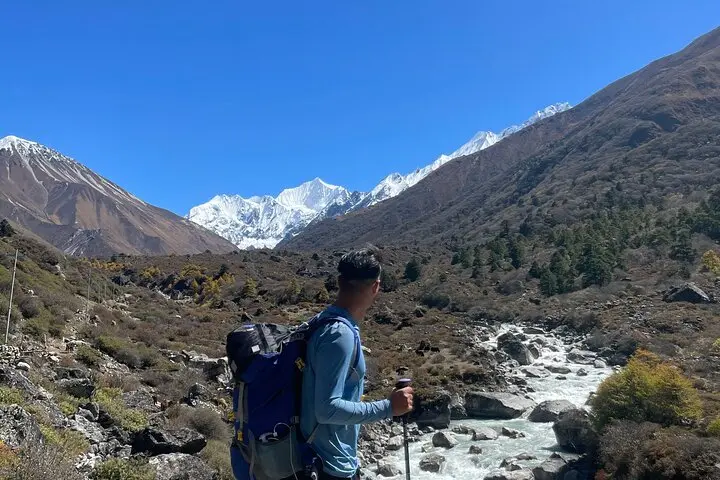
A cold wind pushes down the valley as you step off the bus in Syabrubesi, boots crunching on river-polished stones. The Langtang Khola dares you forward, threading pine forests and rhododendron slopes toward villages of slate roofs and prayer flags. By the third day the trail narrows into gullies that channel the Himalaya’s blunt geometry—steep faces, moraine shelves, and the white edge of distant summits.
Verified experiences and guided adventures in the surrounding area.
Operated by Beyond The Limits Treks & Expedition P ltd · Kyanjin Gompa, Rasuwa District
A cold wind pushes down the valley as you step off the bus in Syabrubesi, boots crunching on river-polished stones. The Langtang Khola dares you forward, threading pine forests and rhododendron slopes toward villages of slate roofs and prayer flags. By the third day the trail narrows into gullies that channel the Himalaya’s blunt geometry—steep faces, moraine shelves, and the white edge of distant summits.
The valley holds layers of human and geological history: glacial action carved the bowl that cradles Langtang, while centuries of Tibetan-influenced trade shaped villages and gompas. The 2015 earthquake reshaped settlements here, and rebuilt teahouses and memorials are part of the modern landscape. Cultural life centers on lama-led monasteries, yak herders, and hospitality in family-run lodges.
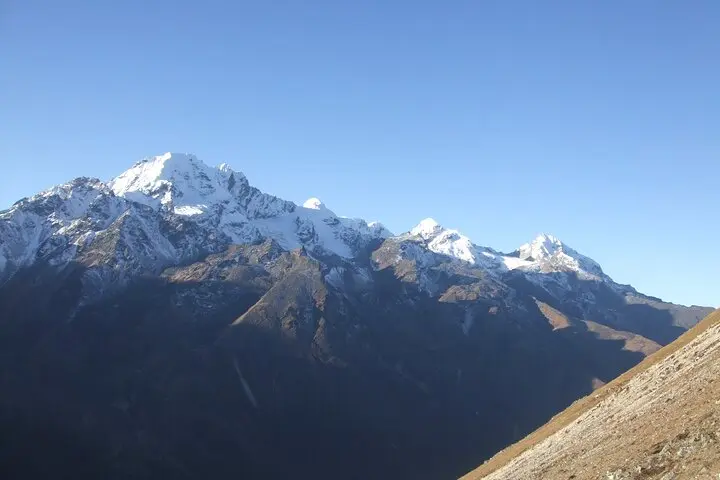
Expect steady ascents to 3,800–5,100 m, panoramic ridgelines from Kyanjin Ri and Tserko Ri, and compact high-altitude hiking that rewards with close-up views of Langtang Lirung. Trails alternate packed earth, stone steps, and occasional scree; days commonly run 4–7 hours with time to acclimatize.
Practical guidance: carry layers for high-diurnal range, a reliable water-treatment option, and crampon-ready footwear if traveling outside autumn. Acclimatize—move deliberately, drink, and keep pace below the heady peaks. Teahouse accommodation means no heavy camping gear, but a good sleeping bag and windproof shell are essential. With route permits and an experienced guide, the Langtang Valley delivers Himalayan exposure without expedition logistics—intense, immediate, and richly human.
Yes—Langtang National Park entry and TIMS permits are required; most guided trips include them in price.
Nighttime temperatures at Kyanjin (3,800–4,000 m) commonly fall below freezing, especially in fall and winter—bring a cold-rated sleeping bag.
Teahouses provide basic private rooms or shared dorms, hot meals, and charging for a fee; expect simple but hearty accommodation.
Experienced solo trekkers do it, but hiring a licensed guide is recommended for navigation, cultural liaison, and altitude safety.
Beyond The Limits Treks & Expedition P ltd operates guided outdoor trips and adventures with an emphasis on safety, stewardship, and memorable experiences.
A cold wind pushes down the valley as you step off the bus in Syabrubesi, boots crunching on river-polished stones. The Langtang Khola dares you forward, threading pine forests and rhododendron slopes toward villages of slate roofs and prayer flags. By the third day the trail narrows into gullies that channel the Himalaya’s blunt geometry—steep faces, moraine shelves, and the white edge of distant summits.
A cold wind pushes down the valley as you step off the bus in Syabrubesi, boots crunching on river-polished stones. The Langtang Khola dares you forward, threading pine forests and rhododendron slopes toward villages of slate roofs and prayer flags. By the third day the trail narrows into gullies that channel the Himalaya’s blunt geometry—steep faces, moraine shelves, and the white edge of distant summits.
The valley holds layers of human and geological history: glacial action carved the bowl that cradles Langtang, while centuries of Tibetan-influenced trade shaped villages and gompas. The 2015 earthquake reshaped settlements here, and rebuilt teahouses and memorials are part of the modern landscape. Cultural life centers on lama-led monasteries, yak herders, and hospitality in family-run lodges.
Expect steady ascents to 3,800–5,100 m, panoramic ridgelines from Kyanjin Ri and Tserko Ri, and compact high-altitude hiking that rewards with close-up views of Langtang Lirung. Trails alternate packed earth, stone steps, and occasional scree; days commonly run 4–7 hours with time to acclimatize.
Practical guidance: carry layers for high-diurnal range, a reliable water-treatment option, and crampon-ready footwear if traveling outside autumn. Acclimatize—move deliberately, drink, and keep pace below the heady peaks. Teahouse accommodation means no heavy camping gear, but a good sleeping bag and windproof shell are essential. With route permits and an experienced guide, the Langtang Valley delivers Himalayan exposure without expedition logistics—intense, immediate, and richly human.