THE ADVENTURE COLLECTIVE® · Independent discovery and booking for outdoor travel

A compact 10-day route from Kathmandu into Langtang National Park that reaches Kyanjin Gompa and offers high ridge views, Tamang culture, and glacial valleys — ideal for trekkers with steady fitness and a taste for Himalayan village life.
A compact 10-day route from Kathmandu into Langtang National Park that reaches Kyanjin Gompa and offers high ridge views, Tamang culture, and glacial valleys — ideal for trekkers with steady fitness and a taste for Himalayan village life.
Dawn breaks over Kathmandu as the bus winds out of the valley and the road narrows into river-side track — by mid-morning the Trishuli and Bhote Kosi rivers are pushing the landscape east and the foothills begin to breathe, first in terraced fields then in rhododendron and oak.
Verified experiences and guided adventures in the surrounding area.
Operated by Himalayan Adventure Treks and Tours Pvt Ltd · Syabru Besi, Bagmati Province
Dawn breaks over Kathmandu as the bus winds out of the valley and the road narrows into river-side track — by mid-morning the Trishuli and Bhote Kosi rivers are pushing the landscape east and the foothills begin to breathe, first in terraced fields then in rhododendron and oak.
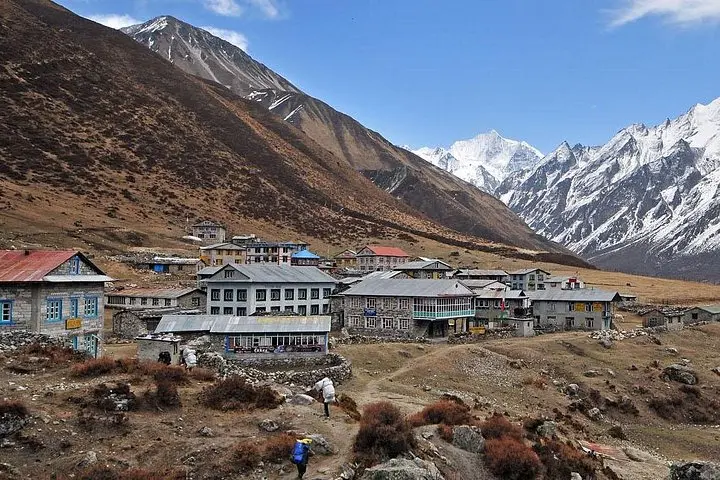
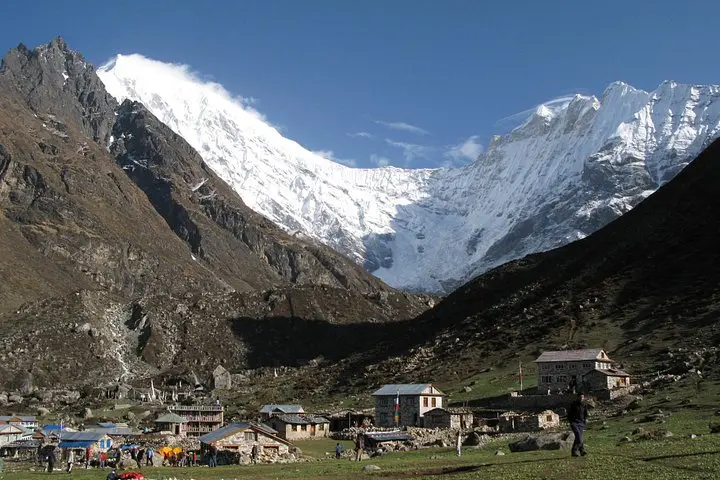
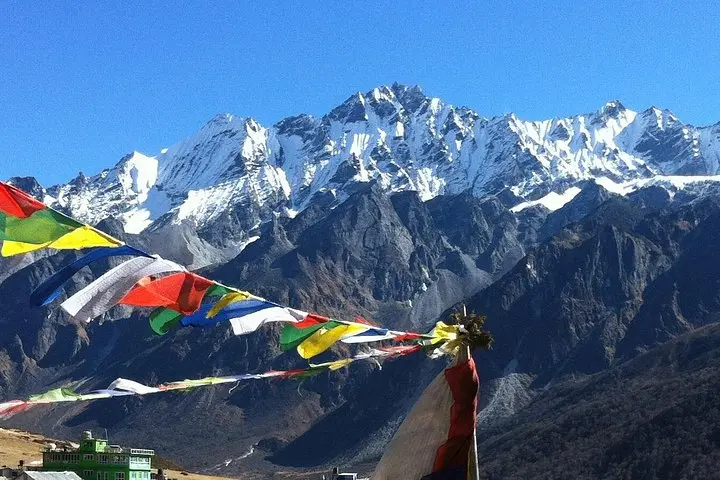
You cross into Langtang National Park, where the trail climbs through Bamboo Village (a red panda habitat), past Lama Hotel and up into the bowl of Langtang Valley. Villages here wear Tibetan-style flat roofs; Tamang language and prayer flags mark a strong Himalayan culture. Geologically the valley is shaped by young, uplifted peaks and active glaciers; Kyanjin Gompa sits beneath serrated faces that still feed moraine and meltwater to the valley.
The itinerary is pragmatic: two nights in Kathmandu, a 6–7 hour drive to Syabru Besi, then steady tea-house stages to Lama Hotel, Langtang, and Kyanjin Gompa with an acclimatization climb to Kyanjin Ri (~4,773 m). Expect forested switchbacks, long ridge steps, and open moraine above tree line. Food and lodgings are basic but warm; local life centers on yak cheese and small monasteries.
Practical guidance: acclimatize (rest day at Kyanjin), carry a layered system for wind and cold, and plan for wet trails in monsoon season. Permits (National Park and TIMS) are required and ordinarily handled by operators. Hydration, steady pacing, and a pair of broken-in boots matter more than speed — this is mountain travel that rewards patience and curiosity.
Yes — a Langtang National Park permit and TIMS registration are required; tour operators typically arrange these before you leave Kathmandu.
Ascents into Langtang village and the approach to Kyanjin can be steep; the climb to Kyanjin Ri is a strenuous acclimatization hike to ~4,773 m.
Autumn (Sept–Nov) and spring (Mar–May) offer the most stable weather and clear views; monsoon brings heavy rain and winter can be cold with snow at higher elevations.
Tea houses provide basic twin rooms, shared bathrooms and lodge meals; expect simple but hearty food and friendly service.
Himalayan Adventure Treks and Tours Pvt Ltd operates guided outdoor trips and adventures with an emphasis on safety, stewardship, and memorable experiences.
Dawn breaks over Kathmandu as the bus winds out of the valley and the road narrows into river-side track — by mid-morning the Trishuli and Bhote Kosi rivers are pushing the landscape east and the foothills begin to breathe, first in terraced fields then in rhododendron and oak.
Dawn breaks over Kathmandu as the bus winds out of the valley and the road narrows into river-side track — by mid-morning the Trishuli and Bhote Kosi rivers are pushing the landscape east and the foothills begin to breathe, first in terraced fields then in rhododendron and oak.
You cross into Langtang National Park, where the trail climbs through Bamboo Village (a red panda habitat), past Lama Hotel and up into the bowl of Langtang Valley. Villages here wear Tibetan-style flat roofs; Tamang language and prayer flags mark a strong Himalayan culture. Geologically the valley is shaped by young, uplifted peaks and active glaciers; Kyanjin Gompa sits beneath serrated faces that still feed moraine and meltwater to the valley.
The itinerary is pragmatic: two nights in Kathmandu, a 6–7 hour drive to Syabru Besi, then steady tea-house stages to Lama Hotel, Langtang, and Kyanjin Gompa with an acclimatization climb to Kyanjin Ri (~4,773 m). Expect forested switchbacks, long ridge steps, and open moraine above tree line. Food and lodgings are basic but warm; local life centers on yak cheese and small monasteries.
Practical guidance: acclimatize (rest day at Kyanjin), carry a layered system for wind and cold, and plan for wet trails in monsoon season. Permits (National Park and TIMS) are required and ordinarily handled by operators. Hydration, steady pacing, and a pair of broken-in boots matter more than speed — this is mountain travel that rewards patience and curiosity.