THE ADVENTURE COLLECTIVE® · Independent discovery and booking for outdoor travel

An 11-day guided trek from Kathmandu through rhododendron forests to Kyanjin Gompa, offering alpine views, Tamang culture, and tea-house nights. Perfect for trekkers with moderate fitness who want a Himalayan route that’s immersive yet accessible.
An 11-day guided trek from Kathmandu through rhododendron forests to Kyanjin Gompa, offering alpine views, Tamang culture, and tea-house nights. Perfect for trekkers with moderate fitness who want a Himalayan route that’s immersive yet accessible.
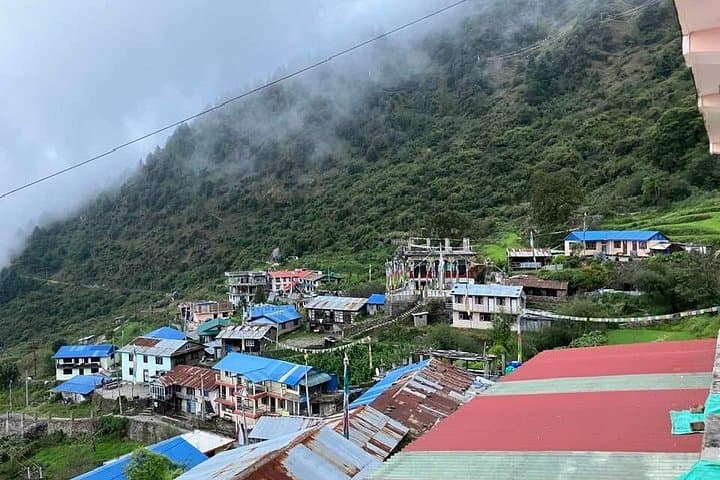
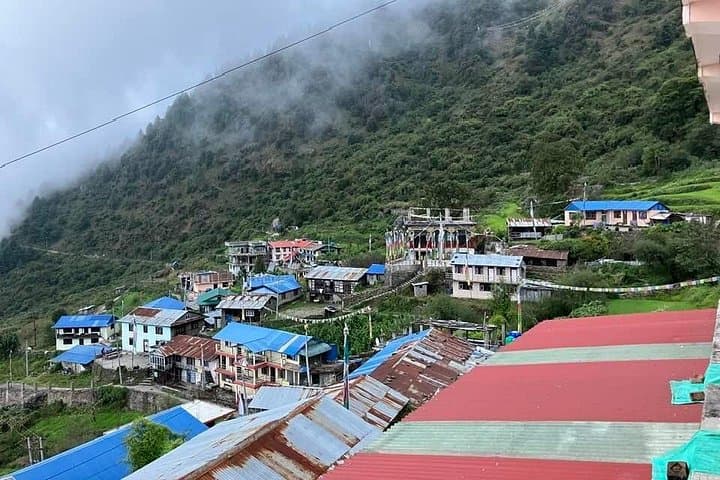
Dawn in the Langtang Valley arrives cold and sharp: prayer flags rattle above tea houses, and the river—slick with meltwater—presses you forward along the trail. On this 11-day route you move from Kathmandu’s bustle into rhododendron-scented forests, past roaring tributaries, and up to the stony meadows of Kyanjin Gompa where Langtang Lirung watches like an old, uncompromising guardian.
Verified experiences and guided adventures in the surrounding area.
Operated by Happy Mountain Nepal · Kathmandu, Bagmati Province
Dawn in the Langtang Valley arrives cold and sharp: prayer flags rattle above tea houses, and the river—slick with meltwater—presses you forward along the trail. On this 11-day route you move from Kathmandu’s bustle into rhododendron-scented forests, past roaring tributaries, and up to the stony meadows of Kyanjin Gompa where Langtang Lirung watches like an old, uncompromising guardian.
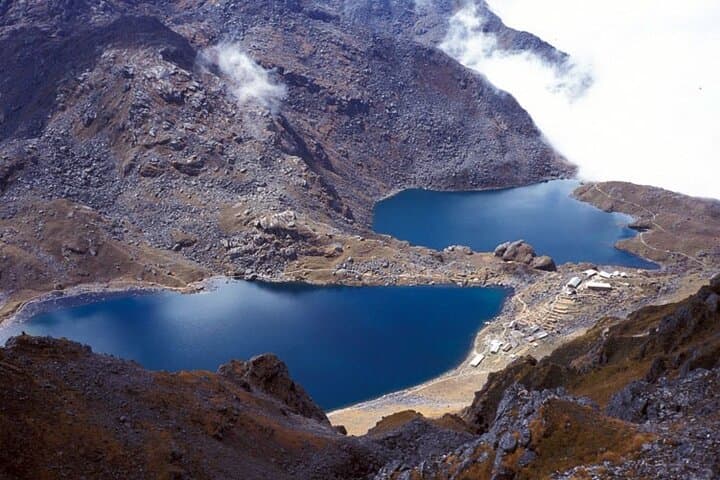
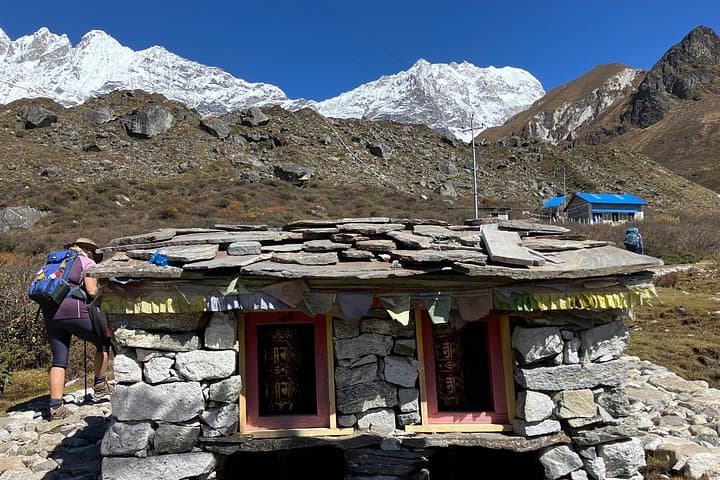
Geology here is readable underfoot: glacial valleys carved into grey gneiss and schist, moraines that mark younger ice, and alpine bowls that open into sweeping views of peaks. Culturally, the trail threads through Tamang villages where stone houses, mani walls, and butter lamps reflect centuries of Himalayan life and Buddhism’s quiet rhythms.
Expect tea-house nights—basic rooms, hot food, and local hospitality—plus a rhythm of steady ascents and high-altitude day hikes (Kyanjin Ri is the standout viewpoint). Seasonal wildflowers explode in spring, while autumn delivers the clearest mountain panoramas. Weather can flip quickly; wind and snow sometimes gatekeep higher passes.
Practical guidance: train with regular uphill hikes and carry layered clothing for sub-zero nights and warm midday sun. Plan water purification (aquatabs are common), bring a lightweight first-aid kit, and allow acclimatization days—especially on approach alongside Langtang River. Guides and porters simplify logistics, permit navigation of permits and government fees, and connect you with local communities.
The walk is straightforward yet demanding: it rewards steady effort with close cultural encounters and mountain viewpoints that hold a long, Himalayan quiet.
Permits and route knowledge make a guide strongly recommended—guides and porters also handle permits, local logistics, and acclimatization advice.
Tea houses offer simple twin rooms with shared or private facilities varying by village; expect basic bedding, hot meals, and limited electricity.
You need a TIMS card and Langtang National Park entry permit; guides or operators typically arrange these before departure.
Yes—altitude effects can occur; follow a slow ascent profile, stay hydrated, and communicate symptoms to your guide immediately.
Happy Mountain Nepal operates guided outdoor trips and adventures with an emphasis on safety, stewardship, and memorable experiences.
Dawn in the Langtang Valley arrives cold and sharp: prayer flags rattle above tea houses, and the river—slick with meltwater—presses you forward along the trail. On this 11-day route you move from Kathmandu’s bustle into rhododendron-scented forests, past roaring tributaries, and up to the stony meadows of Kyanjin Gompa where Langtang Lirung watches like an old, uncompromising guardian.
Dawn in the Langtang Valley arrives cold and sharp: prayer flags rattle above tea houses, and the river—slick with meltwater—presses you forward along the trail. On this 11-day route you move from Kathmandu’s bustle into rhododendron-scented forests, past roaring tributaries, and up to the stony meadows of Kyanjin Gompa where Langtang Lirung watches like an old, uncompromising guardian.
Geology here is readable underfoot: glacial valleys carved into grey gneiss and schist, moraines that mark younger ice, and alpine bowls that open into sweeping views of peaks. Culturally, the trail threads through Tamang villages where stone houses, mani walls, and butter lamps reflect centuries of Himalayan life and Buddhism’s quiet rhythms.
Expect tea-house nights—basic rooms, hot food, and local hospitality—plus a rhythm of steady ascents and high-altitude day hikes (Kyanjin Ri is the standout viewpoint). Seasonal wildflowers explode in spring, while autumn delivers the clearest mountain panoramas. Weather can flip quickly; wind and snow sometimes gatekeep higher passes.
Practical guidance: train with regular uphill hikes and carry layered clothing for sub-zero nights and warm midday sun. Plan water purification (aquatabs are common), bring a lightweight first-aid kit, and allow acclimatization days—especially on approach alongside Langtang River. Guides and porters simplify logistics, permit navigation of permits and government fees, and connect you with local communities.
The walk is straightforward yet demanding: it rewards steady effort with close cultural encounters and mountain viewpoints that hold a long, Himalayan quiet.