THE ADVENTURE COLLECTIVE® · Independent discovery and booking for outdoor travel

Follow a less-trod Himalayan corridor from Syabrubesi into Langtang Valley, where Buddhist gompas, yak pastures and a glacier-crowned skyline await. This 11-day trek balances cultural encounters with high-altitude walking to Kyanjin Gompa and an optional summit of Tsergo Ri.
Follow a less-trod Himalayan corridor from Syabrubesi into Langtang Valley, where Buddhist gompas, yak pastures and a glacier-crowned skyline await. This 11-day trek balances cultural encounters with high-altitude walking to Kyanjin Gompa and an optional summit of Tsergo Ri.
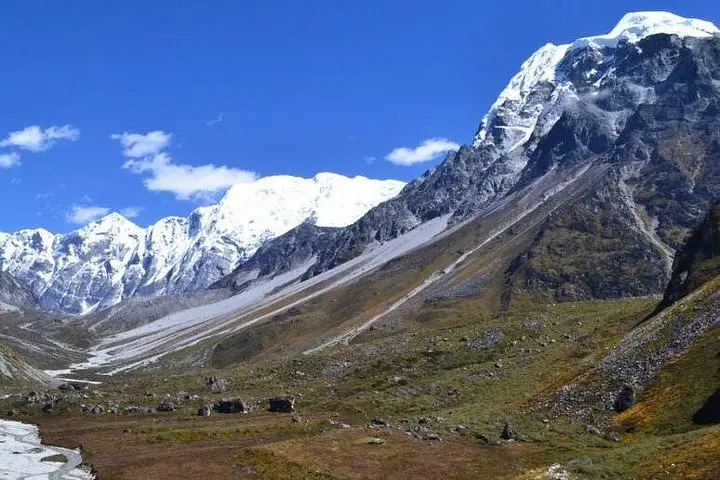
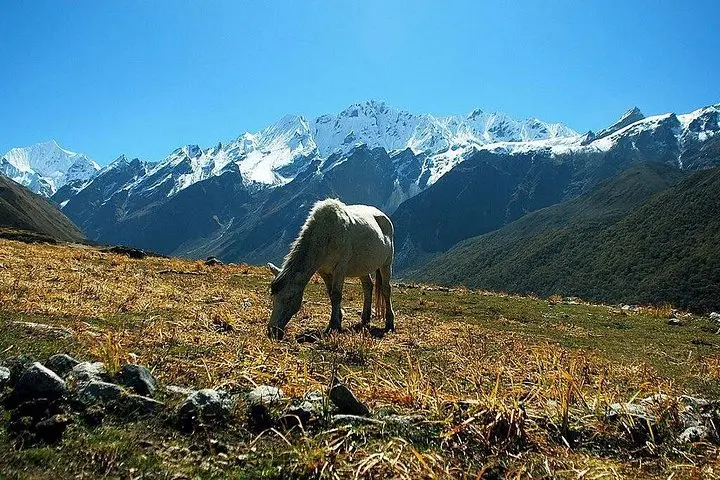
A cold wind threads through the pines as the trail narrows above Ghoda Tabela, and Langtang opens: a high valley cut by a river, glaciers breathing into rock and moraine. Trekkers move in single file past terraced fields and yak pastures, steam from lodge kitchens trailing like smoke signals that mark human presence in a largely quiet landscape.
Verified experiences and guided adventures in the surrounding area.
Operated by Adventure World Club · Syabrubesi, Bagmati Province
A cold wind threads through the pines as the trail narrows above Ghoda Tabela, and Langtang opens: a high valley cut by a river, glaciers breathing into rock and moraine. Trekkers move in single file past terraced fields and yak pastures, steam from lodge kitchens trailing like smoke signals that mark human presence in a largely quiet landscape.
Langtang sits north of Kathmandu in Rasuwa District and contains Nepal’s first Himalayan national park. Geologically it’s young—steeply uplifted metamorphic ridges, active glacial tongues and moraine-strewn basins—shaped by monsoon-fed rivers and seasonal snow. The valley’s villages are predominantly Tamang and Buddhist; monasteries, prayer flags and yak cheese-making speak to a pastoral culture adapted to altitude and isolation.
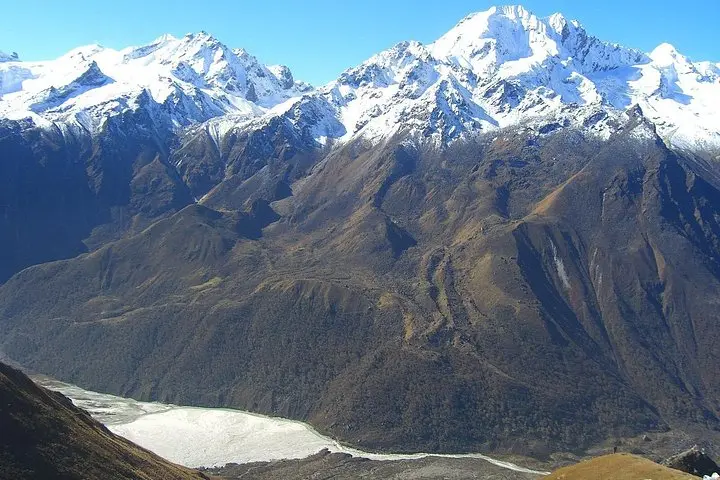
Expect broad ecological variety: rhododendron and pine on lower slopes, alpine scrub higher up; birds and mammals are abundant but shy. The route culminates at Kyanjin Gompa (≈3,800–3,900 m) with optional ascent to Tsergo Ri (≈5,150 m) for panoramic views of Langtang Lirung and the glacier.
Practical guidance: allow time for acclimatization, carry layered clothing, and plan 4–7 hours walking on most days with one long summit day; lodges provide meals and basic bedding. Water purification, sun protection, and trekking poles materially improve comfort. Respect local customs, support village lodges, and move at a pace that keeps oxygen and morale steady—this is high-country travel that rewards patience and preparation.
Guides are recommended for logistics, local insight and emergency support; many operators include a guide and porter in packages.
Fall (Sept–Nov) and spring (Mar–May) offer the best weather and visibility; spring adds rhododendron blooms.
Yes—basic teahouse lodges provide meals and simple rooms through Syabrubesi to Kyanjin Gompa; book through a reputable operator in high season.
Tsergo Ri reaches around 5,150 m; proper acclimatization, fitness and conservative pacing are necessary—consider consulting a physician about altitude risks.
Adventure World Club operates guided outdoor trips and adventures with an emphasis on safety, stewardship, and memorable experiences.
A cold wind threads through the pines as the trail narrows above Ghoda Tabela, and Langtang opens: a high valley cut by a river, glaciers breathing into rock and moraine. Trekkers move in single file past terraced fields and yak pastures, steam from lodge kitchens trailing like smoke signals that mark human presence in a largely quiet landscape.
A cold wind threads through the pines as the trail narrows above Ghoda Tabela, and Langtang opens: a high valley cut by a river, glaciers breathing into rock and moraine. Trekkers move in single file past terraced fields and yak pastures, steam from lodge kitchens trailing like smoke signals that mark human presence in a largely quiet landscape.
Langtang sits north of Kathmandu in Rasuwa District and contains Nepal’s first Himalayan national park. Geologically it’s young—steeply uplifted metamorphic ridges, active glacial tongues and moraine-strewn basins—shaped by monsoon-fed rivers and seasonal snow. The valley’s villages are predominantly Tamang and Buddhist; monasteries, prayer flags and yak cheese-making speak to a pastoral culture adapted to altitude and isolation.
Expect broad ecological variety: rhododendron and pine on lower slopes, alpine scrub higher up; birds and mammals are abundant but shy. The route culminates at Kyanjin Gompa (≈3,800–3,900 m) with optional ascent to Tsergo Ri (≈5,150 m) for panoramic views of Langtang Lirung and the glacier.
Practical guidance: allow time for acclimatization, carry layered clothing, and plan 4–7 hours walking on most days with one long summit day; lodges provide meals and basic bedding. Water purification, sun protection, and trekking poles materially improve comfort. Respect local customs, support village lodges, and move at a pace that keeps oxygen and morale steady—this is high-country travel that rewards patience and preparation.