THE ADVENTURE COLLECTIVE® · Independent discovery and booking for outdoor travel

A 7-day guided loop from Kathmandu into Langtang Valley that combines high-alpine views, Tibetan-influenced villages, and tea-house nights. Ideal for trekkers seeking dramatic mountains without the crowds of the Everest or Annapurna circuits.
A 7-day guided loop from Kathmandu into Langtang Valley that combines high-alpine views, Tibetan-influenced villages, and tea-house nights. Ideal for trekkers seeking dramatic mountains without the crowds of the Everest or Annapurna circuits.
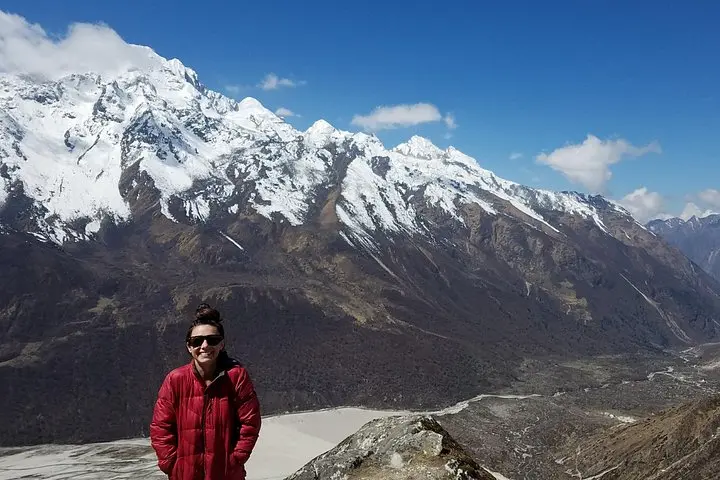
A diesel jeep shudders out of Kathmandu before dawn and the city’s dust thins into terraces and firs. The road climbs; river valleys narrow and, like a curtain, Langtang Lirung’s north face appears — raw, glaciated, and uncompromising. By evening you’ll trade the hum of the highway for the creak of lodge floorboards in Syabrubesi, then wake to rhododendron-scented trails that lead higher into a valley carved by ice and time.
Verified experiences and guided adventures in the surrounding area.
Operated by Himalayan Recreation Treks & Expedition Pvt.Ltd · Syabrubesi, Bagmati Province
A diesel jeep shudders out of Kathmandu before dawn and the city’s dust thins into terraces and firs. The road climbs; river valleys narrow and, like a curtain, Langtang Lirung’s north face appears — raw, glaciated, and uncompromising. By evening you’ll trade the hum of the highway for the creak of lodge floorboards in Syabrubesi, then wake to rhododendron-scented trails that lead higher into a valley carved by ice and time.
Langtang’s story is both cultural and geological: the valley sits inside Langtang National Park, a collision-zone landscape where the Himalaya uplifted from ancient seabeds. Tibetan-influenced Tamang villages and simple gompas mark the human history; more recently the 2015 earthquake reshaped settlements and renewed community resilience and conservation efforts.
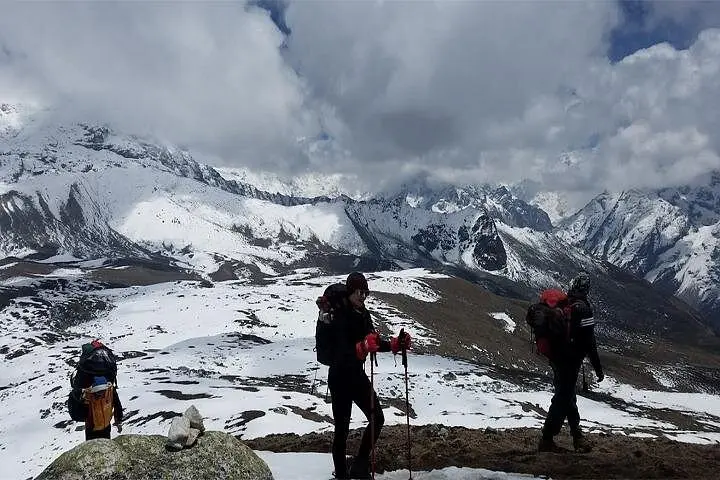
Over seven days you’ll cover 117 km of road access and daily walks of roughly 3–6 hours, topping out near Kyanjin Gompa at ~3,880 m. Expect pine forests, fast-fed streams, yak pastures and the option to summit Tserko Ri for glacial panoramas. Accommodation is in tea houses; meals are included and local guides manage permits and logistics.
Practical edge: altitude is the primary challenge — hydrate, pace your ascent, and use layers for rapidly shifting conditions. Good boots and a basic sleeping liner make evenings more comfortable. The trek is busiest in spring and autumn for clearer weather; monsoon brings leeches, mud, and occasional road disruptions. With a guide, porter support, and straightforward tea-house infrastructure, this route is an accessible Himalayan introduction that still delivers high-alpine scenery and close cultural encounters.
No technical experience is required, but prior long-day hiking experience helps and you must be prepared for altitude up to ~3,880 m.
Langtang entry permits and TIMS are required; the tour includes necessary permits and guide processing.
You stay in tea houses and guest houses with simple private or shared rooms; three meals per day are included—local Nepali dishes and tea/coffee are standard.
Guides have basic first aid; serious cases require evacuation to Kathmandu—travel insurance with emergency repatriation is mandatory.
Himalayan Recreation Treks & Expedition Pvt.Ltd operates guided outdoor trips and adventures with an emphasis on safety, stewardship, and memorable experiences.
A diesel jeep shudders out of Kathmandu before dawn and the city’s dust thins into terraces and firs. The road climbs; river valleys narrow and, like a curtain, Langtang Lirung’s north face appears — raw, glaciated, and uncompromising. By evening you’ll trade the hum of the highway for the creak of lodge floorboards in Syabrubesi, then wake to rhododendron-scented trails that lead higher into a valley carved by ice and time.
A diesel jeep shudders out of Kathmandu before dawn and the city’s dust thins into terraces and firs. The road climbs; river valleys narrow and, like a curtain, Langtang Lirung’s north face appears — raw, glaciated, and uncompromising. By evening you’ll trade the hum of the highway for the creak of lodge floorboards in Syabrubesi, then wake to rhododendron-scented trails that lead higher into a valley carved by ice and time.
Langtang’s story is both cultural and geological: the valley sits inside Langtang National Park, a collision-zone landscape where the Himalaya uplifted from ancient seabeds. Tibetan-influenced Tamang villages and simple gompas mark the human history; more recently the 2015 earthquake reshaped settlements and renewed community resilience and conservation efforts.
Over seven days you’ll cover 117 km of road access and daily walks of roughly 3–6 hours, topping out near Kyanjin Gompa at ~3,880 m. Expect pine forests, fast-fed streams, yak pastures and the option to summit Tserko Ri for glacial panoramas. Accommodation is in tea houses; meals are included and local guides manage permits and logistics.
Practical edge: altitude is the primary challenge — hydrate, pace your ascent, and use layers for rapidly shifting conditions. Good boots and a basic sleeping liner make evenings more comfortable. The trek is busiest in spring and autumn for clearer weather; monsoon brings leeches, mud, and occasional road disruptions. With a guide, porter support, and straightforward tea-house infrastructure, this route is an accessible Himalayan introduction that still delivers high-alpine scenery and close cultural encounters.