THE ADVENTURE COLLECTIVE® · Independent discovery and booking for outdoor travel

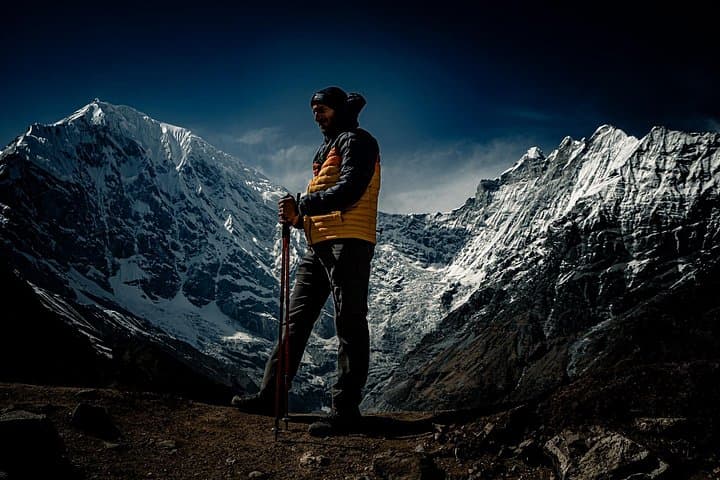
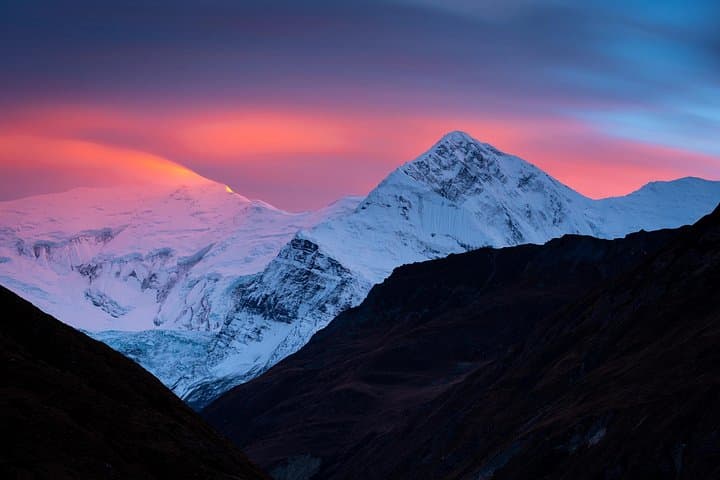
A compact, 7-day trek through Langtang Valley that reaches Kyanjin Gompa—ideal for hikers seeking a manageable Himalayan introduction. Expect forested trails, river crossings, tea-house nights, and high-valley views of Langtang Lirung.
A compact, 7-day trek through Langtang Valley that reaches Kyanjin Gompa—ideal for hikers seeking a manageable Himalayan introduction. Expect forested trails, river crossings, tea-house nights, and high-valley views of Langtang Lirung.
Dawn breaks over the road from Kathmandu and the jeep pushes north, dust and prayer flags blurring into a promise of pine-scented air. By the time you step into Syabrubesi the river is already at work—Langtang Khola daring you upstream—its voice marking the trail that climbs through rhododendron and fir toward high cliffs and the wide bowl of Langtang Valley.
Verified experiences and guided adventures in the surrounding area.
Operated by Nepal High Trek & Expedition Pvt. Ltd · Kyanjin Gompa, Bagmati Province
Dawn breaks over the road from Kathmandu and the jeep pushes north, dust and prayer flags blurring into a promise of pine-scented air. By the time you step into Syabrubesi the river is already at work—Langtang Khola daring you upstream—its voice marking the trail that climbs through rhododendron and fir toward high cliffs and the wide bowl of Langtang Valley.
This route threads through Langtang National Park, a landscape carved by glacial ice and uplifted by the collision of the Indian and Eurasian plates; peaks such as Langtang Lirung watch like slow-moving guardians. The valley’s villages hold Tamang and Sherpa culture—stone houses, mani walls, and gompas that record local faith and mountain lore. Much of the trail follows old livestock and salt-trade routes, giving a sense of continuity between people and place.
Expect gradual altitude gain rather than technical scrambling: forested stretches, river crossings on suspension bridges, and final ridgelines that open to Kyanjin Gompa at roughly 3,800–3,900 m. Tea houses provide basic lodgings and local meals, and a licensed guide can interpret both landscape and culture while monitoring altitude.
Practical notes: acclimatize slowly, carry layers for cold nights, and plan for muddy sections in the monsoon. Water sources are frequent—treat or filter—and daylight hours determine how far you press each day. Whether you come for panoramic summit views or close-up encounters with mountain life, the Langtang Valley Trek delivers a compact Himalayan experience that’s approachable for hikers with steady fitness and good planning.
Yes—Trekkers require a Langtang National Park permit and a TIMS card; guides or operators typically arrange these before departure.
Spring (March–May) and fall (Sept–Nov) offer the best weather and visibility; winter brings snow at higher elevations and monsoon (June–Aug) brings heavy rain and slippery trails.
Yes—this itinerary uses tea houses and lodges along the route with basic meals; bring cash for extras and consider a sleeping bag rated to at least -5°C for shoulder seasons.
Kyanjin Gompa sits around 3,800–3,900 m; altitude sickness is possible, so ascend slowly, stay hydrated, and monitor symptoms—descend if severe signs appear.
Nepal High Trek & Expedition Pvt. Ltd operates guided outdoor trips and adventures with an emphasis on safety, stewardship, and memorable experiences.


Dawn breaks over the road from Kathmandu and the jeep pushes north, dust and prayer flags blurring into a promise of pine-scented air. By the time you step into Syabrubesi the river is already at work—Langtang Khola daring you upstream—its voice marking the trail that climbs through rhododendron and fir toward high cliffs and the wide bowl of Langtang Valley.
Dawn breaks over the road from Kathmandu and the jeep pushes north, dust and prayer flags blurring into a promise of pine-scented air. By the time you step into Syabrubesi the river is already at work—Langtang Khola daring you upstream—its voice marking the trail that climbs through rhododendron and fir toward high cliffs and the wide bowl of Langtang Valley.
This route threads through Langtang National Park, a landscape carved by glacial ice and uplifted by the collision of the Indian and Eurasian plates; peaks such as Langtang Lirung watch like slow-moving guardians. The valley’s villages hold Tamang and Sherpa culture—stone houses, mani walls, and gompas that record local faith and mountain lore. Much of the trail follows old livestock and salt-trade routes, giving a sense of continuity between people and place.
Expect gradual altitude gain rather than technical scrambling: forested stretches, river crossings on suspension bridges, and final ridgelines that open to Kyanjin Gompa at roughly 3,800–3,900 m. Tea houses provide basic lodgings and local meals, and a licensed guide can interpret both landscape and culture while monitoring altitude.
Practical notes: acclimatize slowly, carry layers for cold nights, and plan for muddy sections in the monsoon. Water sources are frequent—treat or filter—and daylight hours determine how far you press each day. Whether you come for panoramic summit views or close-up encounters with mountain life, the Langtang Valley Trek delivers a compact Himalayan experience that’s approachable for hikers with steady fitness and good planning.