THE ADVENTURE COLLECTIVE® · Independent discovery and booking for outdoor travel

A 9‑day trek from Syabrubesi to Kyanjin Gompa through Langtang National Park, this route combines high-mountain panoramas, Tamang villages and glacial moraine walking. Expect teahouses, steady climbs and essential acclimatization on a moderate Himalayan journey.
A 9‑day trek from Syabrubesi to Kyanjin Gompa through Langtang National Park, this route combines high-mountain panoramas, Tamang villages and glacial moraine walking. Expect teahouses, steady climbs and essential acclimatization on a moderate Himalayan journey.
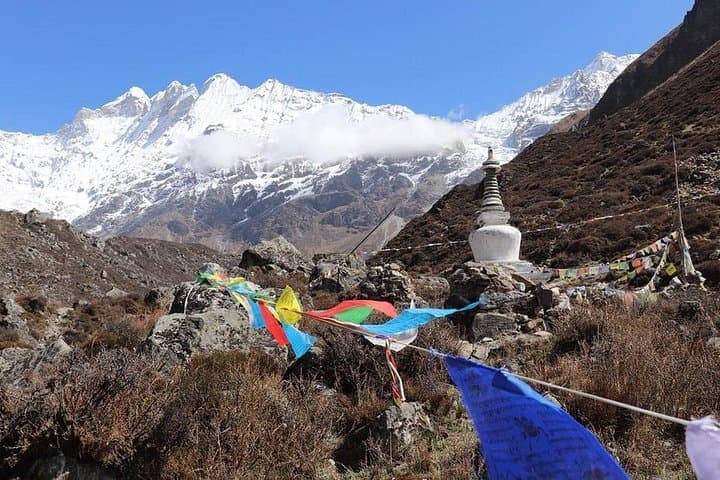
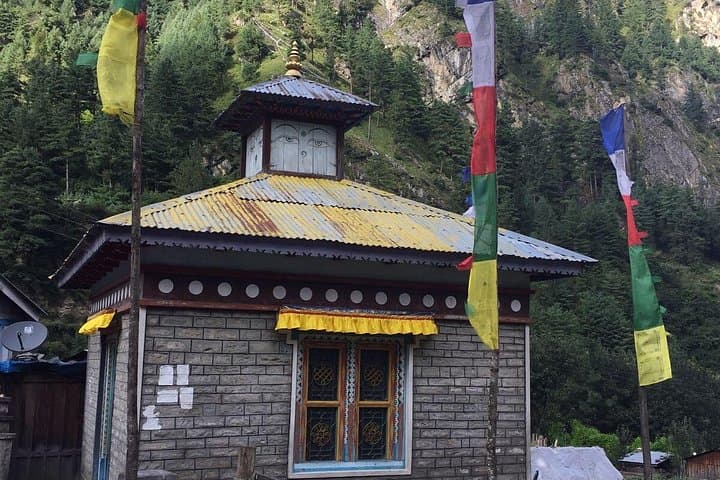
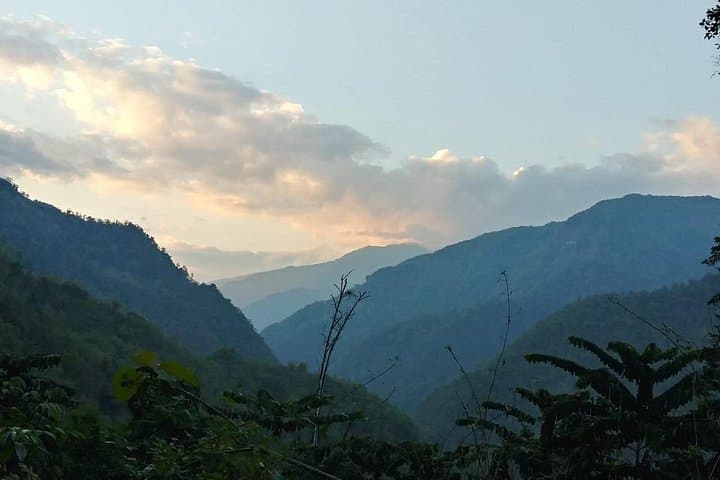
A breath of thin, cold air greets you as the jeep vomits the last of the road behind you and Syabrubesi shrinks into a ribbon of rooftops. From here the trail climbs into a valley carved by glaciers and fed by a moraine-scarred river; rhododendron and bamboo press close to the path, and stone mani walls mark the route through Tamang villages.
Verified experiences and guided adventures in the surrounding area.
Operated by Eve Holidays · Syabrubesi, Bagmati Province
A breath of thin, cold air greets you as the jeep vomits the last of the road behind you and Syabrubesi shrinks into a ribbon of rooftops. From here the trail climbs into a valley carved by glaciers and fed by a moraine-scarred river; rhododendron and bamboo press close to the path, and stone mani walls mark the route through Tamang villages.
The Langtang region sits along an ancient trade corridor with Tibet, its villages shaped by trade, Buddhism and Tibetan cultural ties. Geologically the valley is young—steep moraines, fresh icefalls and the angled flank of Langtang Lirung show recent glacial activity. In 2015 the valley’s settlements were devastated by a major earthquake; reconstruction since has been visible in rebuilt lodges and reinforced trails.
Culturally the trail threads small monasteries and cheese factories—Kyanjin’s yak cheese is a local staple—and offers close encounters with wildlife like red panda and mountain monkeys if luck is on your side. The moraine pushes you toward ice faces that demand respect and acclimatization rather than speed.
Practical guidance: allow 7–8 days on trail with a rest/acclimatization day at Kyanjin Gompa. Expect daily gains of 300–800 m, rocky and sometimes muddy terrain, and basic teahouse accommodation. Pack layered clothing, sturdy boots and a down jacket for nights above 3,000 m. Hydrate proactively and watch for altitude symptoms; the itinerary includes park permits and a guide, which simplifies logistics. Aim for early starts to catch clear mountain mornings and avoid afternoon snow or clouds.
Yes—Langtang National Park permit and a TIMS card are required; the operator typically handles these before the trek.
The route is moderate but reaches ~3,870 m; proper acclimatization, pacing and recognition of altitude symptoms are essential.
Teahouse-style lodges and simple guesthouses with shared rooms, basic heating and communal meals; standards improve nearer Kyanjin.
Autumn (Sept–Nov) and spring (Mar–May) offer the most reliable weather and best visibility; winter is colder and monsoon season is wet.
Eve Holidays operates guided outdoor trips and adventures with an emphasis on safety, stewardship, and memorable experiences.
A breath of thin, cold air greets you as the jeep vomits the last of the road behind you and Syabrubesi shrinks into a ribbon of rooftops. From here the trail climbs into a valley carved by glaciers and fed by a moraine-scarred river; rhododendron and bamboo press close to the path, and stone mani walls mark the route through Tamang villages.
A breath of thin, cold air greets you as the jeep vomits the last of the road behind you and Syabrubesi shrinks into a ribbon of rooftops. From here the trail climbs into a valley carved by glaciers and fed by a moraine-scarred river; rhododendron and bamboo press close to the path, and stone mani walls mark the route through Tamang villages.
The Langtang region sits along an ancient trade corridor with Tibet, its villages shaped by trade, Buddhism and Tibetan cultural ties. Geologically the valley is young—steep moraines, fresh icefalls and the angled flank of Langtang Lirung show recent glacial activity. In 2015 the valley’s settlements were devastated by a major earthquake; reconstruction since has been visible in rebuilt lodges and reinforced trails.
Culturally the trail threads small monasteries and cheese factories—Kyanjin’s yak cheese is a local staple—and offers close encounters with wildlife like red panda and mountain monkeys if luck is on your side. The moraine pushes you toward ice faces that demand respect and acclimatization rather than speed.
Practical guidance: allow 7–8 days on trail with a rest/acclimatization day at Kyanjin Gompa. Expect daily gains of 300–800 m, rocky and sometimes muddy terrain, and basic teahouse accommodation. Pack layered clothing, sturdy boots and a down jacket for nights above 3,000 m. Hydrate proactively and watch for altitude symptoms; the itinerary includes park permits and a guide, which simplifies logistics. Aim for early starts to catch clear mountain mornings and avoid afternoon snow or clouds.