THE ADVENTURE COLLECTIVE® · Independent discovery and booking for outdoor travel
Follow alpine rivers and rhododendron forests into Langtang Valley, where Tamang villages and a string of gompas lead to Kyanjin Gompa beneath glacial peaks. This 8–10 day trek combines cultural immersion with high-altitude scenery and teahouse comforts.
Follow alpine rivers and rhododendron forests into Langtang Valley, where Tamang villages and a string of gompas lead to Kyanjin Gompa beneath glacial peaks. This 8–10 day trek combines cultural immersion with high-altitude scenery and teahouse comforts.
A cold wind from the glaciers pushes through a stand of rhododendron as you climb the Langtang Valley trail, the river daring you to keep pace. Pine-scented switchbacks open onto rock-strewn moraines and a wide bowl of peaks where prayer flags snap like small, colorful wings. Villages of timber houses and mani walls appear between forested ridges; beyond them, Kyanjin's gompa perches beneath serrated summits.
Verified experiences and guided adventures in the surrounding area.
Operated by The Great Adventure Treks & Expedition - Private Day Tours · Syabrubesi, Bagmati Province
A cold wind from the glaciers pushes through a stand of rhododendron as you climb the Langtang Valley trail, the river daring you to keep pace. Pine-scented switchbacks open onto rock-strewn moraines and a wide bowl of peaks where prayer flags snap like small, colorful wings. Villages of timber houses and mani walls appear between forested ridges; beyond them, Kyanjin's gompa perches beneath serrated summits.
Langtang sits inside Nepal’s Langtang National Park, protecting alpine meadows, rhododendron forests, and wildlife that reflects its proximity to the Tibetan plateau. The valley’s Tamang communities maintain Tibetan Buddhist customs—gompas, mani stones, and prayer flags are part of the route’s cultural grammar. Geologically, the valley is carved by glaciers and rivers that reveal moraines and steep, glaciated cirques.
Practically, expect 8–10 days on trail with cumulative elevation gain toward 3,800–4,000 m at Kyanjin. Trails alternate between packed dirt, stone staircases, and occasional glacial scree; teahouse lodgings and locally run lodges are standard, so pack for layered cold nights and wet-season muddiness. Permits (TIMS and park entry), steady pacing for acclimatization, and a measured water strategy will keep altitude and fatigue manageable.
Footwear with good ankle support, a warm insulated layer, and a headlamp are essential; carry cash for teahouses and consider local guesthouses to support village economies. Early starts and clear weather windows reward hikers with the best light on the ridgelines and quieter campsites below the peaks.
Yes—trekkers require a TIMS card and Langtang National Park entry permit, both obtainable in Kathmandu or at entry points.
Kyanjin Gompa and nearby viewpoints reach roughly 3,800–4,000 m; some side climbs like Tserko Ri are higher and require good acclimatization.
Yes—most villages on the Langtang route offer teahouse lodgings and simple meals, though services are basic and cash-based.
Fall (Sept–Nov) and spring (Mar–May) offer the most stable weather and clear views; spring adds rhododendron blooms.
The Great Adventure Treks & Expedition - Private Day Tours operates guided outdoor trips and adventures with an emphasis on safety, stewardship, and memorable experiences.
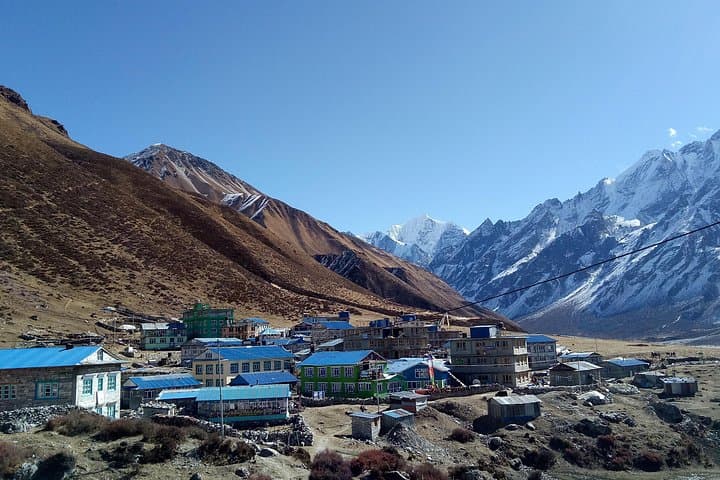
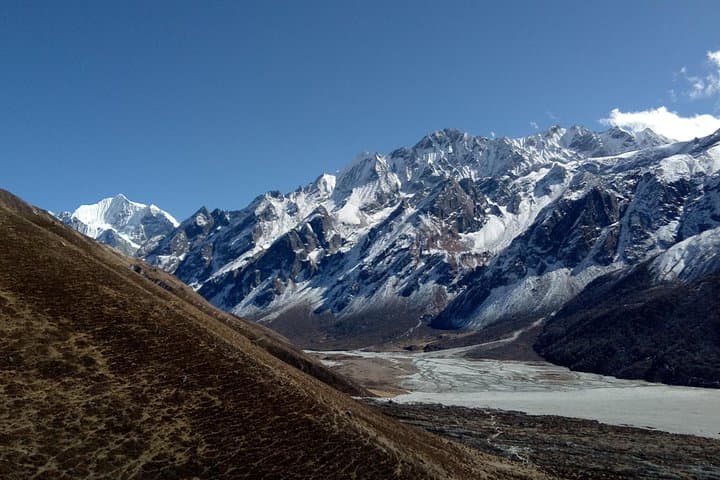
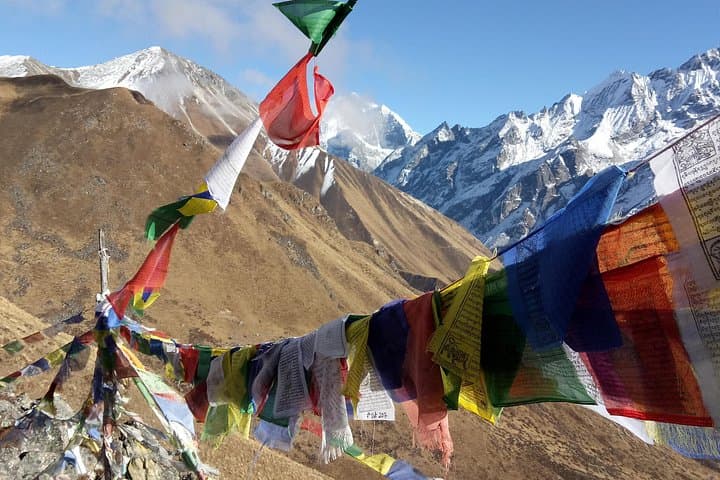

A cold wind from the glaciers pushes through a stand of rhododendron as you climb the Langtang Valley trail, the river daring you to keep pace. Pine-scented switchbacks open onto rock-strewn moraines and a wide bowl of peaks where prayer flags snap like small, colorful wings. Villages of timber houses and mani walls appear between forested ridges; beyond them, Kyanjin's gompa perches beneath serrated summits.
A cold wind from the glaciers pushes through a stand of rhododendron as you climb the Langtang Valley trail, the river daring you to keep pace. Pine-scented switchbacks open onto rock-strewn moraines and a wide bowl of peaks where prayer flags snap like small, colorful wings. Villages of timber houses and mani walls appear between forested ridges; beyond them, Kyanjin's gompa perches beneath serrated summits.
Langtang sits inside Nepal’s Langtang National Park, protecting alpine meadows, rhododendron forests, and wildlife that reflects its proximity to the Tibetan plateau. The valley’s Tamang communities maintain Tibetan Buddhist customs—gompas, mani stones, and prayer flags are part of the route’s cultural grammar. Geologically, the valley is carved by glaciers and rivers that reveal moraines and steep, glaciated cirques.
Practically, expect 8–10 days on trail with cumulative elevation gain toward 3,800–4,000 m at Kyanjin. Trails alternate between packed dirt, stone staircases, and occasional glacial scree; teahouse lodgings and locally run lodges are standard, so pack for layered cold nights and wet-season muddiness. Permits (TIMS and park entry), steady pacing for acclimatization, and a measured water strategy will keep altitude and fatigue manageable.
Footwear with good ankle support, a warm insulated layer, and a headlamp are essential; carry cash for teahouses and consider local guesthouses to support village economies. Early starts and clear weather windows reward hikers with the best light on the ridgelines and quieter campsites below the peaks.
