THE ADVENTURE COLLECTIVE® · Independent discovery and booking for outdoor travel

A classic multi-day Himalayan trek from Syabru Besi to Kyangjin, with an optional return via the high lake Gosainkunda. Expect lodge-to-lodge hiking, high-altitude panoramas, and a deep encounter with Langtang's mountain culture.
A classic multi-day Himalayan trek from Syabru Besi to Kyangjin, with an optional return via the high lake Gosainkunda. Expect lodge-to-lodge hiking, high-altitude panoramas, and a deep encounter with Langtang's mountain culture.
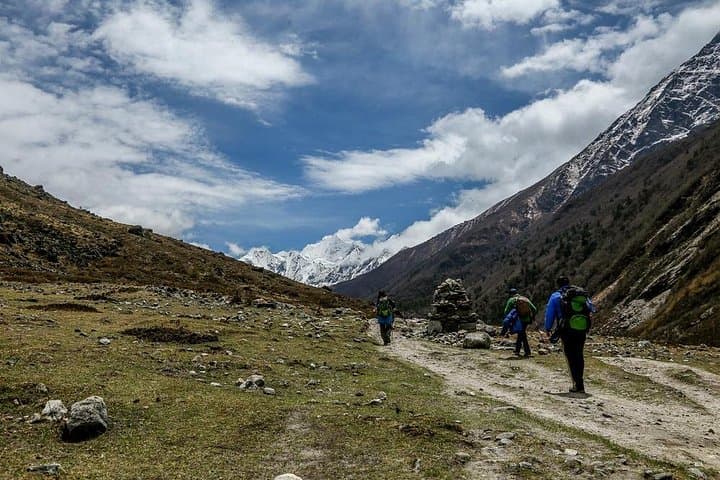
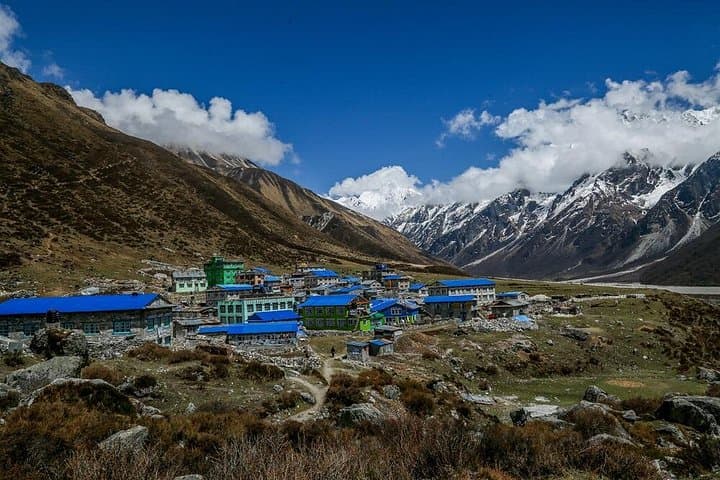
Dawn breaks over a sling of rhododendron and oak as the trail climbs away from Syabru Besi; prayer flags flicker and the Langtang Khola gorges ahead, daring you upward. Footfalls fall into a steady rhythm—murmuring streams, the distant cough of glaciers, and the sudden open bowl of Kyangjin where yak pastures meet ice faces.
Verified experiences and guided adventures in the surrounding area.
Operated by Peregrine Treks and Tours · Syabrubesi, Bagmati Province
Dawn breaks over a sling of rhododendron and oak as the trail climbs away from Syabru Besi; prayer flags flicker and the Langtang Khola gorges ahead, daring you upward. Footfalls fall into a steady rhythm—murmuring streams, the distant cough of glaciers, and the sudden open bowl of Kyangjin where yak pastures meet ice faces.
The Langtang Valley sits inside Langtang National Park, carved by glaciers and uplifted by tectonic forces that create Langtang Lirung’s steep north face. The route threads village settlements shaped by Tibetan culture: monasteries, cheese-making yards and stone houses with carved lintels. The valley also carries recent memory—the 2015 earthquake altered villages and landscapes, and walking here is partly an encounter with resilience.
Practically, expect 7–8 hours of travel from Kathmandu to Syabru Besi, then progressive hiking days that top out at optional Kyangjin Ri (~4,850 m) and an optional return route over Gosainkunda (4,380 m). Lodges along the way offer meals, hot tea and basic hot showers; acclimatization days and conservative pacing matter more than speed. Carry layers for wide temperature swings, treat water or use purification tablets, and factor in altitude—symptoms can appear fast even on a well-planned schedule. Permits (TIMS and Langtang entry) are required; local guides and porters ease logistics and support local economies.
The reward is panoramic Himalayan exposure: glacier tongues, terraced foothills, and a living mountain culture. Plan for clear morning light, afternoon cloud builds, and respectful travel that leaves the trails as you found them.
Yes—both a TIMS card and Langtang National Park entry permit are required; these are normally arranged before or upon arrival in Kathmandu.
Guides and porters are strongly recommended for navigation, acclimatization support and to benefit local economies, though experienced trekkers can self-guide with proper preparation.
Spring (April–May) and fall (September–November) offer the most stable weather and best visibility for mountain views.
The highest optional ascent is about 4,850 m; altitude sickness can occur—ascend slowly, drink lots of fluids, and descend if symptoms worsen.
Peregrine Treks and Tours operates guided outdoor trips and adventures with an emphasis on safety, stewardship, and memorable experiences.

Dawn breaks over a sling of rhododendron and oak as the trail climbs away from Syabru Besi; prayer flags flicker and the Langtang Khola gorges ahead, daring you upward. Footfalls fall into a steady rhythm—murmuring streams, the distant cough of glaciers, and the sudden open bowl of Kyangjin where yak pastures meet ice faces.
Dawn breaks over a sling of rhododendron and oak as the trail climbs away from Syabru Besi; prayer flags flicker and the Langtang Khola gorges ahead, daring you upward. Footfalls fall into a steady rhythm—murmuring streams, the distant cough of glaciers, and the sudden open bowl of Kyangjin where yak pastures meet ice faces.
The Langtang Valley sits inside Langtang National Park, carved by glaciers and uplifted by tectonic forces that create Langtang Lirung’s steep north face. The route threads village settlements shaped by Tibetan culture: monasteries, cheese-making yards and stone houses with carved lintels. The valley also carries recent memory—the 2015 earthquake altered villages and landscapes, and walking here is partly an encounter with resilience.
Practically, expect 7–8 hours of travel from Kathmandu to Syabru Besi, then progressive hiking days that top out at optional Kyangjin Ri (~4,850 m) and an optional return route over Gosainkunda (4,380 m). Lodges along the way offer meals, hot tea and basic hot showers; acclimatization days and conservative pacing matter more than speed. Carry layers for wide temperature swings, treat water or use purification tablets, and factor in altitude—symptoms can appear fast even on a well-planned schedule. Permits (TIMS and Langtang entry) are required; local guides and porters ease logistics and support local economies.
The reward is panoramic Himalayan exposure: glacier tongues, terraced foothills, and a living mountain culture. Plan for clear morning light, afternoon cloud builds, and respectful travel that leaves the trails as you found them.