THE ADVENTURE COLLECTIVE® · Independent discovery and booking for outdoor travel

A quieter alternative to Nepal’s busier routes, the Langtang Valley trek leads through Tamang villages, rhododendron forests, and glacier-sculpted valleys to Kyanjin Gompa. This 7–8 day itinerary balances cultural encounters with high-alpine views and practical acclimatization.
A quieter alternative to Nepal’s busier routes, the Langtang Valley trek leads through Tamang villages, rhododendron forests, and glacier-sculpted valleys to Kyanjin Gompa. This 7–8 day itinerary balances cultural encounters with high-alpine views and practical acclimatization.
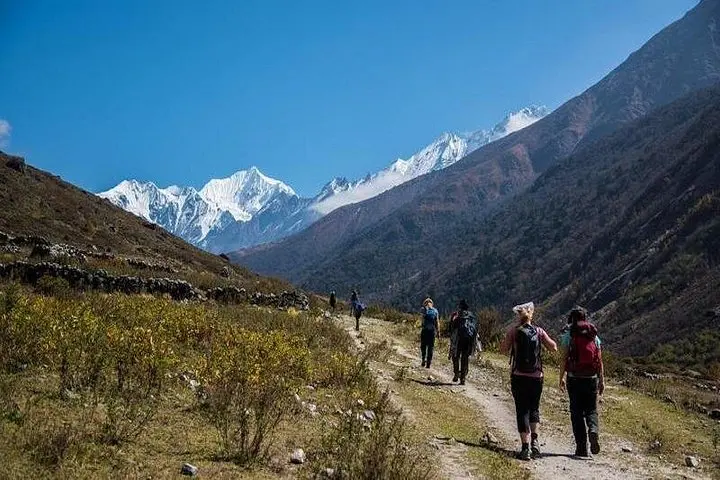
You step off the jeep at Syabrubesi and the valley closes around you—fir-covered ridges press in, a rushing river dares you to keep pace, and trails thread through terraced fields toward higher snow.
Verified experiences and guided adventures in the surrounding area.
Operated by Himalayan Social Journey · Syabrubesi, Bagmati Province
You step off the jeep at Syabrubesi and the valley closes around you—fir-covered ridges press in, a rushing river dares you to keep pace, and trails thread through terraced fields toward higher snow.
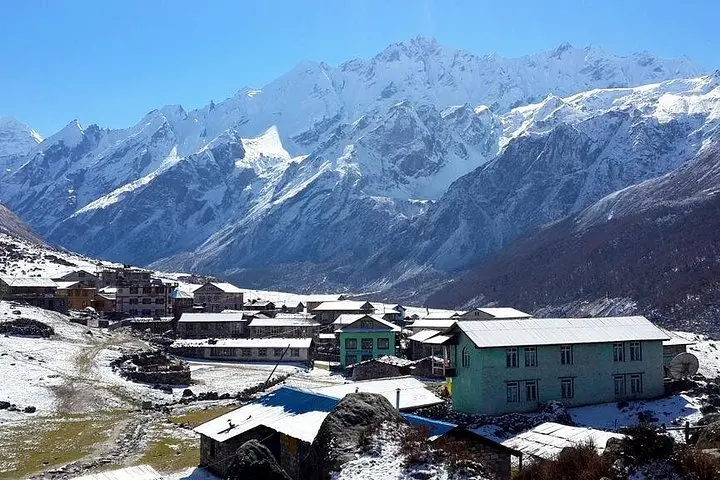
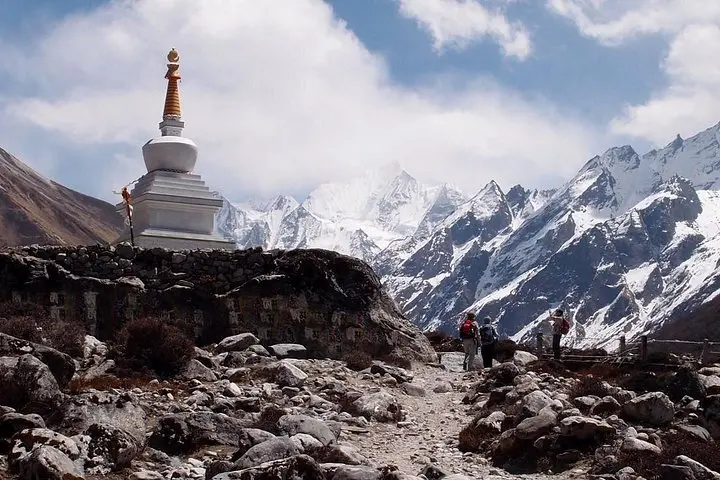
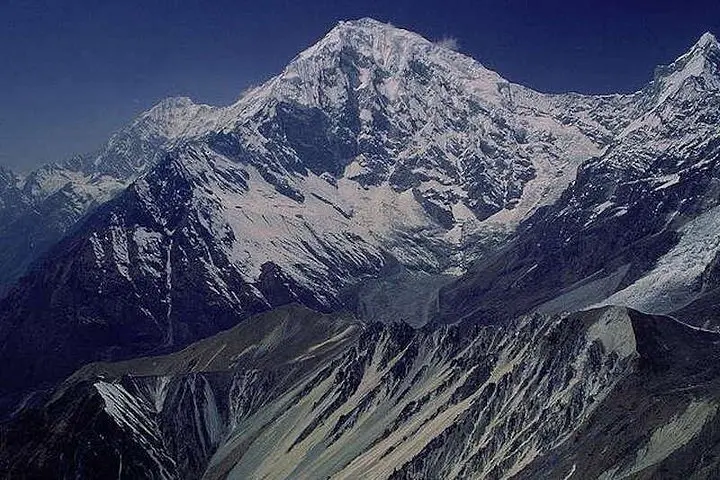
The Langtang Valley opens gradually: shaded rhododendron forests give way to stone-built Tamang hamlets, prayer flags, and views of blue-tinged glaciers above Kyanjin Gompa. The route follows old trade paths between Kathmandu and the Tibetan plateau; local Tamang culture and the region’s recent recovery after the 2015 earthquake shape villages and stories along the way. Geologically, Langtang is a classic glacial trough carved into the main Himalayan thrust, where moraine-strewn valleys sit below sharp ridgelines and hanging glaciers.
Expect quiet trails compared with more popular Nepal routes—fewer lodges, slower service, and genuine village life. Kyanjin Gompa (about 3,800–3,900 m) is the high point for glacier views and yak cheese huts; nearby Gosainkunda is a culturally important alpine lake for Hindu and Buddhist pilgrims.
Practical guidance: plan 7–8 days with daily hikes of 3–8 hours and an acclimatization day at Kyanjin. Carry layered clothing for rapid temperature swings, treat or refill water at lodges, and budget for TIMS and national park permits. Footwear with ankle support and trekking poles make steep, uneven descents easier. Guides are strongly recommended for navigation, local arrangements, and altitude awareness. The trail rewards with close mountain vistas, quiet villages, and an approachable Himalayan experience for trekkers who prepare for altitude and basic backcountry logistics.
While some experienced trekkers do independent trips, hiring a local guide is strongly recommended for navigation, permit processing, and altitude safety.
You need a TIMS card and Langtang National Park entry permit; your operator usually arranges these before or early in the trek.
Kyanjin Gompa sits around 3,800–3,900 m; mild altitude sickness can occur—slow ascent, hydration, and an acclimatization day reduce risk.
Yes—basic local lodges operate on the trail with simple meals and twin-share rooms; services are quieter and may be more rustic than in busier regions.
Himalayan Social Journey operates guided outdoor trips and adventures with an emphasis on safety, stewardship, and memorable experiences.
You step off the jeep at Syabrubesi and the valley closes around you—fir-covered ridges press in, a rushing river dares you to keep pace, and trails thread through terraced fields toward higher snow.
You step off the jeep at Syabrubesi and the valley closes around you—fir-covered ridges press in, a rushing river dares you to keep pace, and trails thread through terraced fields toward higher snow.
The Langtang Valley opens gradually: shaded rhododendron forests give way to stone-built Tamang hamlets, prayer flags, and views of blue-tinged glaciers above Kyanjin Gompa. The route follows old trade paths between Kathmandu and the Tibetan plateau; local Tamang culture and the region’s recent recovery after the 2015 earthquake shape villages and stories along the way. Geologically, Langtang is a classic glacial trough carved into the main Himalayan thrust, where moraine-strewn valleys sit below sharp ridgelines and hanging glaciers.
Expect quiet trails compared with more popular Nepal routes—fewer lodges, slower service, and genuine village life. Kyanjin Gompa (about 3,800–3,900 m) is the high point for glacier views and yak cheese huts; nearby Gosainkunda is a culturally important alpine lake for Hindu and Buddhist pilgrims.
Practical guidance: plan 7–8 days with daily hikes of 3–8 hours and an acclimatization day at Kyanjin. Carry layered clothing for rapid temperature swings, treat or refill water at lodges, and budget for TIMS and national park permits. Footwear with ankle support and trekking poles make steep, uneven descents easier. Guides are strongly recommended for navigation, local arrangements, and altitude awareness. The trail rewards with close mountain vistas, quiet villages, and an approachable Himalayan experience for trekkers who prepare for altitude and basic backcountry logistics.