THE ADVENTURE COLLECTIVE® · Independent discovery and booking for outdoor travel

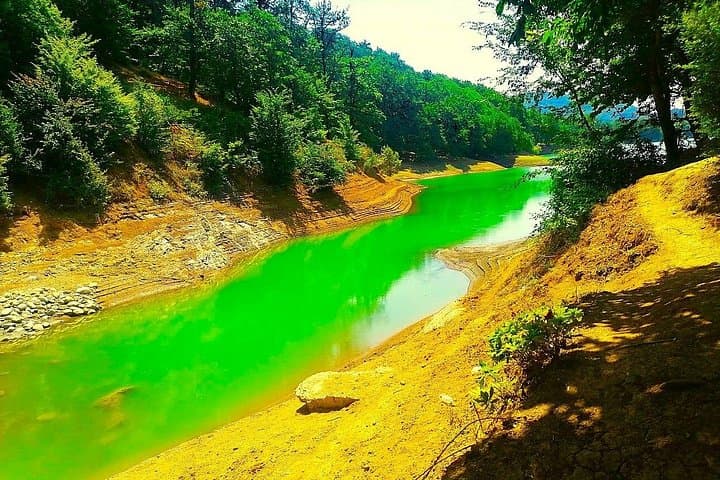
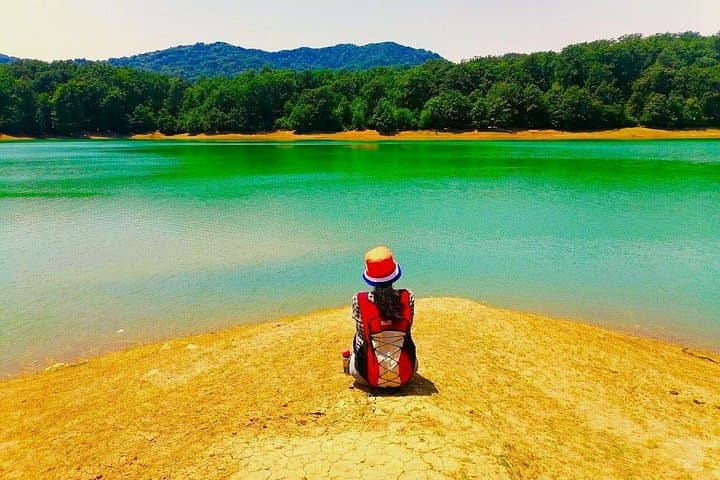
A concentrated day through southern Azerbaijan’s verdant lowlands: historic towers, an early-20th-century khan’s palace, working tea fields and the forested shores of Lake Khanbulan. Ideal for travelers who want botanical variety and tangible local history in a single day trip from Baku.
A concentrated day through southern Azerbaijan’s verdant lowlands: historic towers, an early-20th-century khan’s palace, working tea fields and the forested shores of Lake Khanbulan. Ideal for travelers who want botanical variety and tangible local history in a single day trip from Baku.
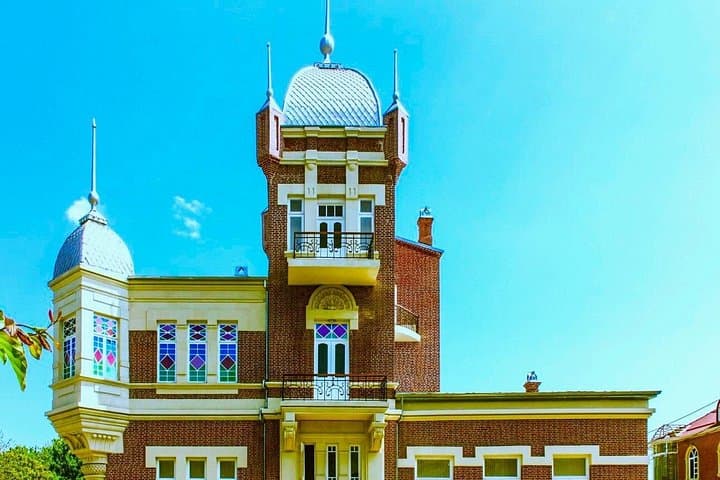
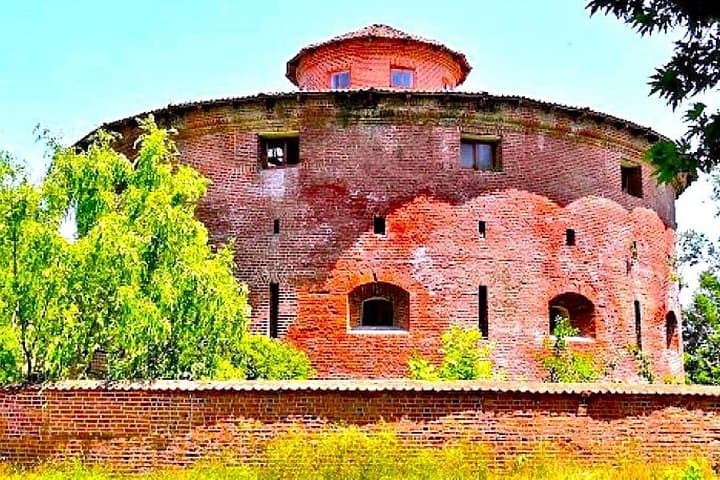
You leave Baku before sunrise and the road unfurls toward the Talysh foothills — a shift from coastal breeze to humid, green air that presses against the windshield. By mid-morning the Round Tower appears above fig and acacia canopies, its stone silhouette watching the plain as if keeping count of past storms. Later, the ornate façade of Lankaran Khan’s Palace reads like a European experiment on Caspian soil: mythic figures, early electric fixtures and a story of local khans adapting outside influences.
Verified experiences and guided adventures in the surrounding area.
Operated by VLA_tourism · Lankaran, Lankaran
You leave Baku before sunrise and the road unfurls toward the Talysh foothills — a shift from coastal breeze to humid, green air that presses against the windshield. By mid-morning the Round Tower appears above fig and acacia canopies, its stone silhouette watching the plain as if keeping count of past storms. Later, the ornate façade of Lankaran Khan’s Palace reads like a European experiment on Caspian soil: mythic figures, early electric fixtures and a story of local khans adapting outside influences.
Geology here is quiet but decisive: the Caspian lowland rises gently into ancient Hirkan forests — relict broadleaf stands that have clung to this slope since the Tertiary. Cultural threads are equally visible: tea fields slope like stitched green quilts toward village roads, the place marked by the giant samovar monument and the smell of freshly processed leaves. The bamboo in Talishli village breathes a different climate, a micro-ecosystem where tall canes sway and quicken the sense of being far from the highway.
Practically, expect a full day. The tour covers roughly 3 hours driving each way from Baku with several short stops (15–60 minutes) for sites and a longer hour at Lake Khanbulan inside Hirkan National Park. Paths around the lake and bamboo stand are uneven; wear sturdy shoes, carry water, and bring a light rain layer — weather can flip quickly in this coastal-forest interface. Guides typically include entrance fees and transportation; bring local currency for snacks and small gifts. For travelers who want concentrated history, botanical variety and lakeside calm in a single, long day, this route delivers a compact, tangible portrait of southern Azerbaijan.
Yes — while entrance fees and transport are usually included, small vendors, park kiosks and local sellers often accept only Azerbaijani manat.
Expect roughly three hours each way depending on traffic, with total driving time around six hours for the full loop.
Meals are not typically included; the itinerary allows for optional food and tea breaks, so plan to budget for lunch or bring snacks.
Yes — the tour is rated easy for fitness levels but involves extended vehicle time and short walks; inform the operator of mobility needs at booking.
VLA_tourism operates guided outdoor trips and adventures with an emphasis on safety, stewardship, and memorable experiences.
You leave Baku before sunrise and the road unfurls toward the Talysh foothills — a shift from coastal breeze to humid, green air that presses against the windshield. By mid-morning the Round Tower appears above fig and acacia canopies, its stone silhouette watching the plain as if keeping count of past storms. Later, the ornate façade of Lankaran Khan’s Palace reads like a European experiment on Caspian soil: mythic figures, early electric fixtures and a story of local khans adapting outside influences.
You leave Baku before sunrise and the road unfurls toward the Talysh foothills — a shift from coastal breeze to humid, green air that presses against the windshield. By mid-morning the Round Tower appears above fig and acacia canopies, its stone silhouette watching the plain as if keeping count of past storms. Later, the ornate façade of Lankaran Khan’s Palace reads like a European experiment on Caspian soil: mythic figures, early electric fixtures and a story of local khans adapting outside influences.
Geology here is quiet but decisive: the Caspian lowland rises gently into ancient Hirkan forests — relict broadleaf stands that have clung to this slope since the Tertiary. Cultural threads are equally visible: tea fields slope like stitched green quilts toward village roads, the place marked by the giant samovar monument and the smell of freshly processed leaves. The bamboo in Talishli village breathes a different climate, a micro-ecosystem where tall canes sway and quicken the sense of being far from the highway.
Practically, expect a full day. The tour covers roughly 3 hours driving each way from Baku with several short stops (15–60 minutes) for sites and a longer hour at Lake Khanbulan inside Hirkan National Park. Paths around the lake and bamboo stand are uneven; wear sturdy shoes, carry water, and bring a light rain layer — weather can flip quickly in this coastal-forest interface. Guides typically include entrance fees and transportation; bring local currency for snacks and small gifts. For travelers who want concentrated history, botanical variety and lakeside calm in a single, long day, this route delivers a compact, tangible portrait of southern Azerbaijan.