THE ADVENTURE COLLECTIVE® · Independent discovery and booking for outdoor travel
Ride Ngong Ping 360, climb the steps to the Tian Tan Buddha, and scan the waters off Tai O for the rare Chinese white dolphin on this structured full-day Lantau loop. Expect cultural sites, coastal wildlife, and easy walking with significant transport time between stops.
Ride Ngong Ping 360, climb the steps to the Tian Tan Buddha, and scan the waters off Tai O for the rare Chinese white dolphin on this structured full-day Lantau loop. Expect cultural sites, coastal wildlife, and easy walking with significant transport time between stops.
You step into the cable car as it lifts away from Tung Chung, the harbor shrinking and the island hills swelling into green ribs. The glass beneath your feet frames the South China Sea: boats stitch bright lines across the water while wind tugs at your jacket. On Lantau, the landscape moves—forests creak, the ocean dares you from below, and the Buddha watches the slow geometry of tides and rooftops.
Verified experiences and guided adventures in the surrounding area.
Operated by TrevoTour Travels · Ngong Ping (Lantau Island), Hong Kong
You step into the cable car as it lifts away from Tung Chung, the harbor shrinking and the island hills swelling into green ribs. The glass beneath your feet frames the South China Sea: boats stitch bright lines across the water while wind tugs at your jacket. On Lantau, the landscape moves—forests creak, the ocean dares you from below, and the Buddha watches the slow geometry of tides and rooftops.
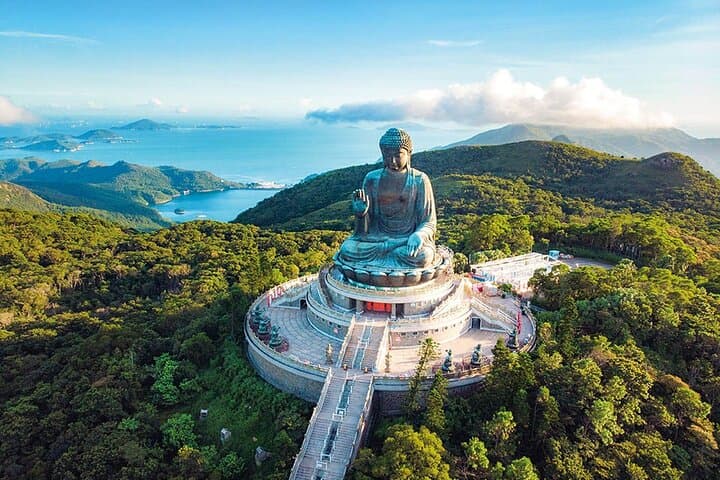
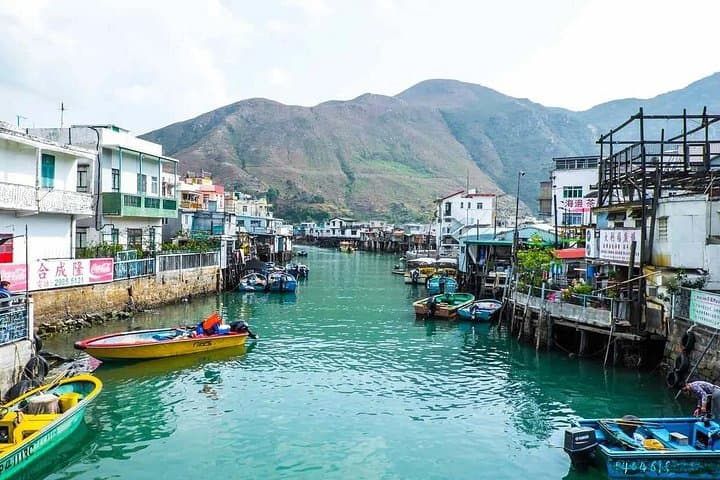
Lantau’s human story runs from clan villages and fishing hamlets to the Po Lin Monastery, founded in 1906, and the modern Tian Tan Buddha, completed in 1993 and rising roughly 34 meters above Ngong Ping. Geologically, the island combines rugged volcanic ridges and granite outcrops that funnel streams toward the sea, shaping sheltered inlets where Tai O’s stilt houses still stand.
Culture here is tactile: incense coils in monastery halls, vegetarian kitchens offering simple bowls, and fish-drying racks that hint at a lifetime of tides. The rare Chinese white dolphin—often pink—slips through the channels near Tai O; sightings are thrilling but never guaranteed.
Practical guidance: expect a full-day loop of cable car transfers, short hikes and boarding a dolphin-watch launch; total time is about 6–7 hours. Bring layered clothing for wind on the car, a refillable water bottle, sturdy shoes for uneven village alleys and steps, and sun protection. Morning departures reduce crowds at Ngong Ping and improve light for both the Buddha and wildlife viewing. Check cable-car operations and marine conditions before you go—operators will cancel in high winds or typhoon weather. Move respectfully at Po Lin; photography is welcomed but quiet is the custom inside temple grounds.
No—Chinese white dolphins are wild and sightings depend on season, weather, and marine conditions; operators follow best practices but cannot promise encounters.
Yes—the Ngong Ping 360 offers one-way tickets and there are public buses between Tung Chung and Ngong Ping if the cable car is unavailable.
The cable car and observation platforms are wheelchair accessible, but the Buddha’s base requires climbing 268 steps; alternatives let visitors view from lower platforms.
Yes—the monastery is known for its vegetarian offerings; tours often include a light vegetarian meal as part of the itinerary.
TrevoTour Travels operates guided outdoor trips and adventures with an emphasis on safety, stewardship, and memorable experiences.
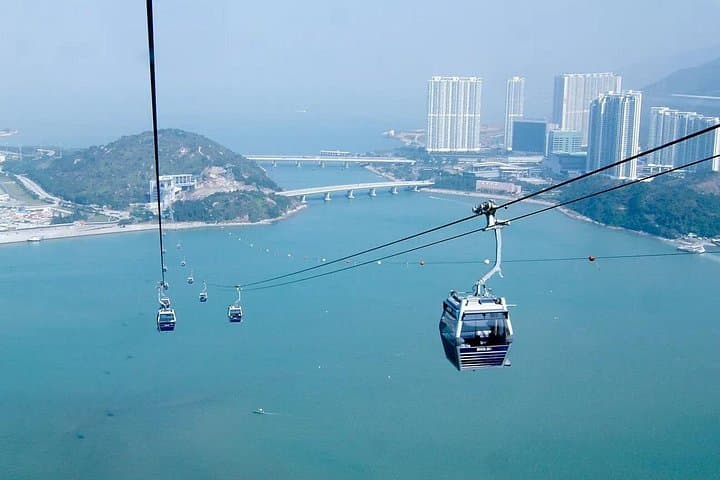
You step into the cable car as it lifts away from Tung Chung, the harbor shrinking and the island hills swelling into green ribs. The glass beneath your feet frames the South China Sea: boats stitch bright lines across the water while wind tugs at your jacket. On Lantau, the landscape moves—forests creak, the ocean dares you from below, and the Buddha watches the slow geometry of tides and rooftops.
You step into the cable car as it lifts away from Tung Chung, the harbor shrinking and the island hills swelling into green ribs. The glass beneath your feet frames the South China Sea: boats stitch bright lines across the water while wind tugs at your jacket. On Lantau, the landscape moves—forests creak, the ocean dares you from below, and the Buddha watches the slow geometry of tides and rooftops.
Lantau’s human story runs from clan villages and fishing hamlets to the Po Lin Monastery, founded in 1906, and the modern Tian Tan Buddha, completed in 1993 and rising roughly 34 meters above Ngong Ping. Geologically, the island combines rugged volcanic ridges and granite outcrops that funnel streams toward the sea, shaping sheltered inlets where Tai O’s stilt houses still stand.
Culture here is tactile: incense coils in monastery halls, vegetarian kitchens offering simple bowls, and fish-drying racks that hint at a lifetime of tides. The rare Chinese white dolphin—often pink—slips through the channels near Tai O; sightings are thrilling but never guaranteed.
Practical guidance: expect a full-day loop of cable car transfers, short hikes and boarding a dolphin-watch launch; total time is about 6–7 hours. Bring layered clothing for wind on the car, a refillable water bottle, sturdy shoes for uneven village alleys and steps, and sun protection. Morning departures reduce crowds at Ngong Ping and improve light for both the Buddha and wildlife viewing. Check cable-car operations and marine conditions before you go—operators will cancel in high winds or typhoon weather. Move respectfully at Po Lin; photography is welcomed but quiet is the custom inside temple grounds.
