THE ADVENTURE COLLECTIVE® · Independent discovery and booking for outdoor travel

Set out from Puerto Calero on a small motor trimaran to explore Lanzarote’s volcanic coastline and its marine life. Expect intimate wildlife encounters, informed narration by a marine biologist, and a three-hour glimpse of dramatic cliffs, coves and open Atlantic.
Set out from Puerto Calero on a small motor trimaran to explore Lanzarote’s volcanic coastline and its marine life. Expect intimate wildlife encounters, informed narration by a marine biologist, and a three-hour glimpse of dramatic cliffs, coves and open Atlantic.
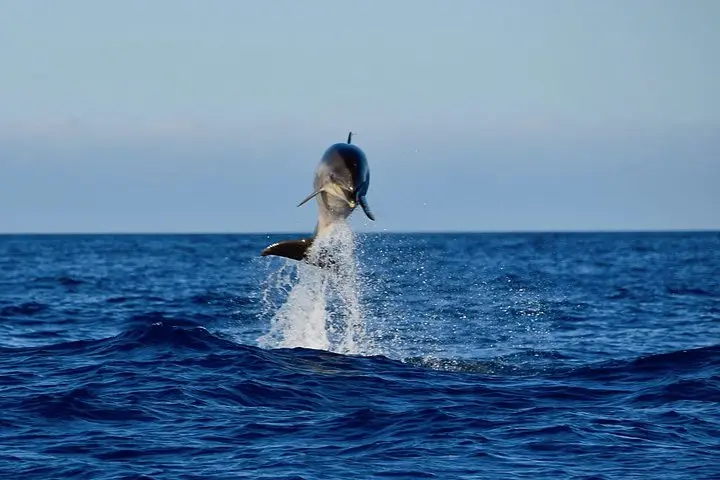
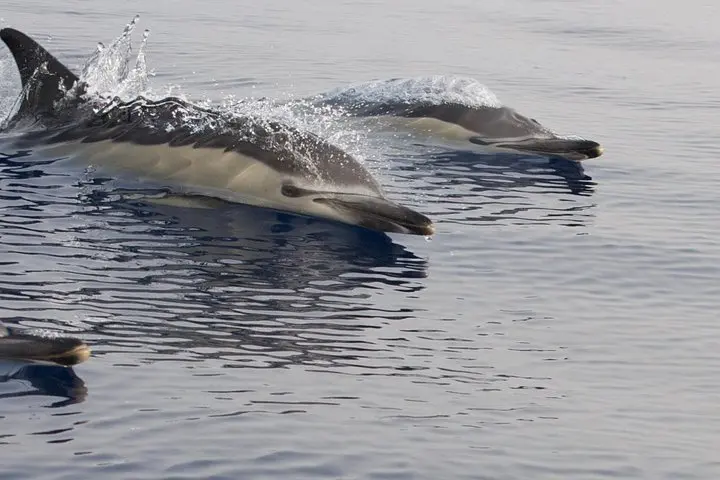
The trimaran slips from Puerto Calero with the marina’s white hulls receding and the cliffs of Los Ajaches drawing nearer — black volcanic faces meeting the Atlantic in ragged teeth. Salt and diesel mix as the guide, a marine biologist, reads the water for dolphin blows and seabird arcs; fins and feathers respond, curious and eager.
Verified experiences and guided adventures in the surrounding area.
Operated by Sea Safaris Lanzarote · Puerto Calero, Canary Islands
The trimaran slips from Puerto Calero with the marina’s white hulls receding and the cliffs of Los Ajaches drawing nearer — black volcanic faces meeting the Atlantic in ragged teeth. Salt and diesel mix as the guide, a marine biologist, reads the water for dolphin blows and seabird arcs; fins and feathers respond, curious and eager.
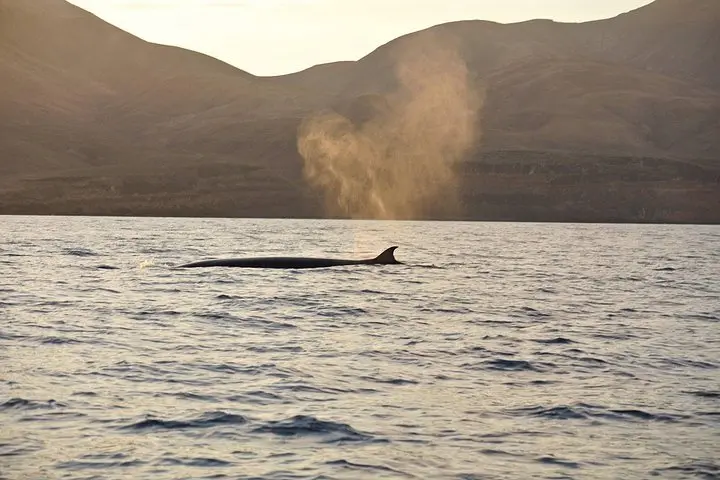
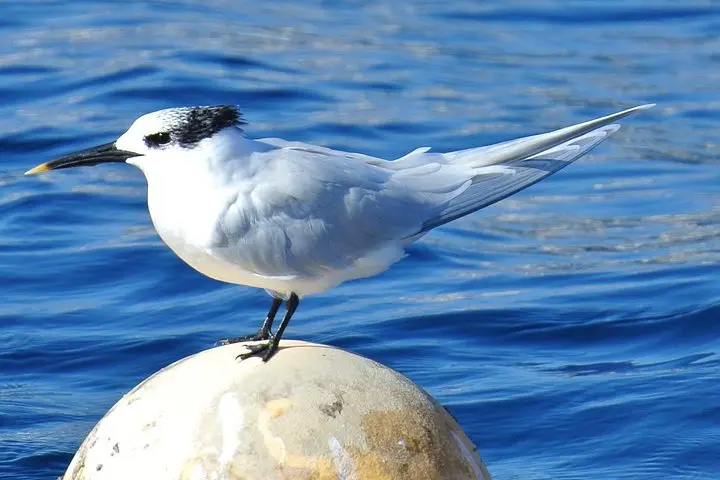
Lanzarote’s coastline is recent in geological terms: windswept lava fields and cooled flows sculpt the shorelines you’ll pass, while Ancient Canarian fishing settlements once dotted coves now backed by abandoned stone terraces. The tour threads past Playa de La Casa and La Bahia de Ávila toward Playa Quemada, where scrubby vegetation clings to pumice and tuff. Sea birds wheel like punctuation; the ocean can reveal dolphins, turtles, flying fish and, rarely, migrating whales.
Expect personal narration that mixes natural history with practical observation — why cliffs are scalloped, where fish aggregate, and how currents shape feeding zones. The boat is small (max 12), making sightings intimate and the approach quieter than larger charters.
Practically: voyages run about three hours, wear layered sun protection and a windproof shell provided for wet spray, and carry seasickness remedies if you’re prone. Boarding requires reasonable mobility; life jackets and waterproofs are provided. Morning departures often mean calmer seas and clearer light for photography. For photographers, a fast shutter and a steady hand will capture the sudden arc of a dolphin; for families, the short run time and seating layout make this a manageable half-day outing. Whether you’re after birdlife, marine mammals or the raw volcanic coast, the safari delivers a compact, informed window into Lanzarote’s marine edge.
The advertised experience departs for approximately three hours total, with about two hours spent exploring coastal waters.
Wildlife sightings are likely but not guaranteed; sightings depend on season, sea state and animal movement.
Yes—automatic life jackets and waterproof jackets are provided for all passengers; safety briefings are standard before departure.
Yes—infants and small children can ride (strollers accepted) but the operator advises caution for those with spinal or cardiovascular conditions and pregnant travelers.
Sea Safaris Lanzarote operates guided outdoor trips and adventures with an emphasis on safety, stewardship, and memorable experiences.
The trimaran slips from Puerto Calero with the marina’s white hulls receding and the cliffs of Los Ajaches drawing nearer — black volcanic faces meeting the Atlantic in ragged teeth. Salt and diesel mix as the guide, a marine biologist, reads the water for dolphin blows and seabird arcs; fins and feathers respond, curious and eager.
The trimaran slips from Puerto Calero with the marina’s white hulls receding and the cliffs of Los Ajaches drawing nearer — black volcanic faces meeting the Atlantic in ragged teeth. Salt and diesel mix as the guide, a marine biologist, reads the water for dolphin blows and seabird arcs; fins and feathers respond, curious and eager.
Lanzarote’s coastline is recent in geological terms: windswept lava fields and cooled flows sculpt the shorelines you’ll pass, while Ancient Canarian fishing settlements once dotted coves now backed by abandoned stone terraces. The tour threads past Playa de La Casa and La Bahia de Ávila toward Playa Quemada, where scrubby vegetation clings to pumice and tuff. Sea birds wheel like punctuation; the ocean can reveal dolphins, turtles, flying fish and, rarely, migrating whales.
Expect personal narration that mixes natural history with practical observation — why cliffs are scalloped, where fish aggregate, and how currents shape feeding zones. The boat is small (max 12), making sightings intimate and the approach quieter than larger charters.
Practically: voyages run about three hours, wear layered sun protection and a windproof shell provided for wet spray, and carry seasickness remedies if you’re prone. Boarding requires reasonable mobility; life jackets and waterproofs are provided. Morning departures often mean calmer seas and clearer light for photography. For photographers, a fast shutter and a steady hand will capture the sudden arc of a dolphin; for families, the short run time and seating layout make this a manageable half-day outing. Whether you’re after birdlife, marine mammals or the raw volcanic coast, the safari delivers a compact, informed window into Lanzarote’s marine edge.