THE ADVENTURE COLLECTIVE® · Independent discovery and booking for outdoor travel

Travel by train, boat and road through Vientiane, Luang Prabang and Siem Reap on an 8-day journey combining Mekong river passages, Kuang Si Falls, Pak Ou Caves and the Angkor complex. Expect early starts, moderate walking and a mix of cultural sites and river scenery.
Travel by train, boat and road through Vientiane, Luang Prabang and Siem Reap on an 8-day journey combining Mekong river passages, Kuang Si Falls, Pak Ou Caves and the Angkor complex. Expect early starts, moderate walking and a mix of cultural sites and river scenery.
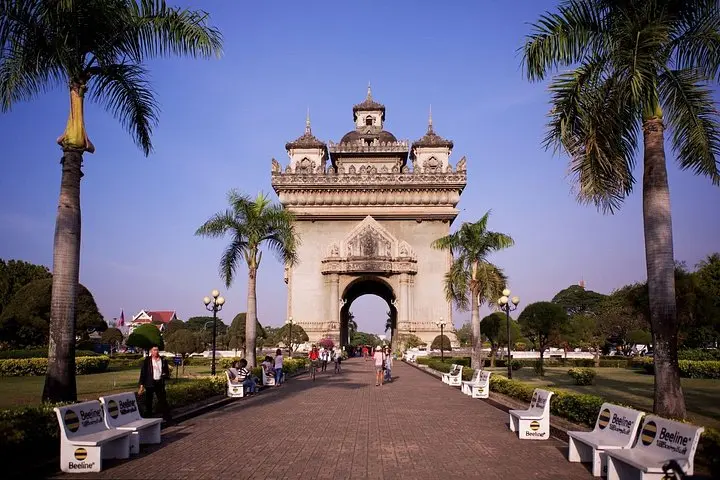
Morning light lifts off the Mekong and the city stirs — incense smoke at a Wat, longboats slipping downstream, and the distant hum of a train platform. This eight-day circuit threads Vientiane, Luang Prabang and Siem Reap, moving by train, road and river to places where stone and water keep different memories.
Verified experiences and guided adventures in the surrounding area.
Operated by Adventure Myanmar Tours & Incentives · Luang Prabang, Luang Prabang Province
Morning light lifts off the Mekong and the city stirs — incense smoke at a Wat, longboats slipping downstream, and the distant hum of a train platform. This eight-day circuit threads Vientiane, Luang Prabang and Siem Reap, moving by train, road and river to places where stone and water keep different memories.
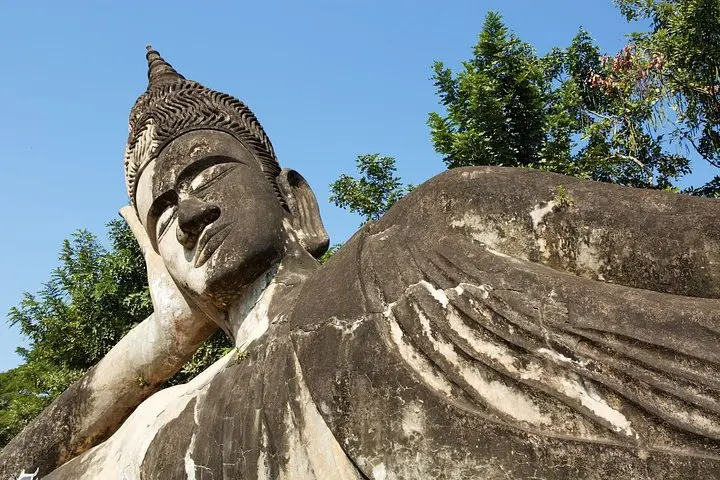
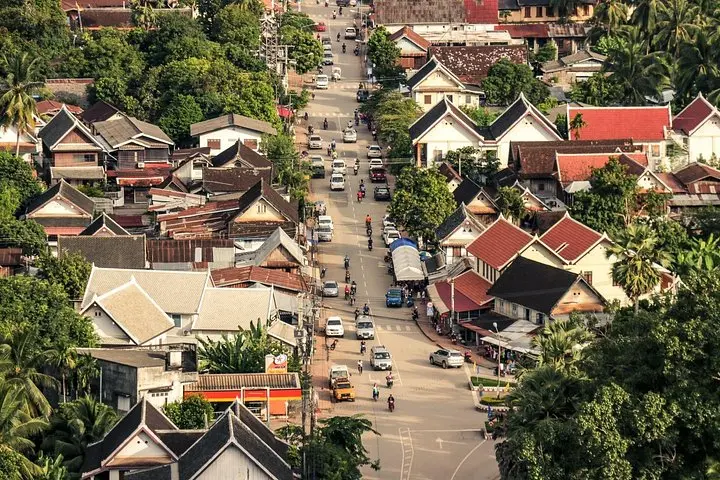
The route pairs Lao hill-country scenery with the lowland plains of the Angkor basin. In Luang Prabang veteran temples and French colonial streets reflect centuries of trade and monarchy; the Pak Ou caves hold hundreds of small Buddha figures deposited by pilgrims. Kuang Si Waterfall descends over limestone shelves, its pools carved by karst chemistry. Crossing into Cambodia, Angkor’s sandstone galleries and the floating communities of Tonle Sap speak to Khmer engineering, hydraulic management and a rural fishing culture that shaped the region.
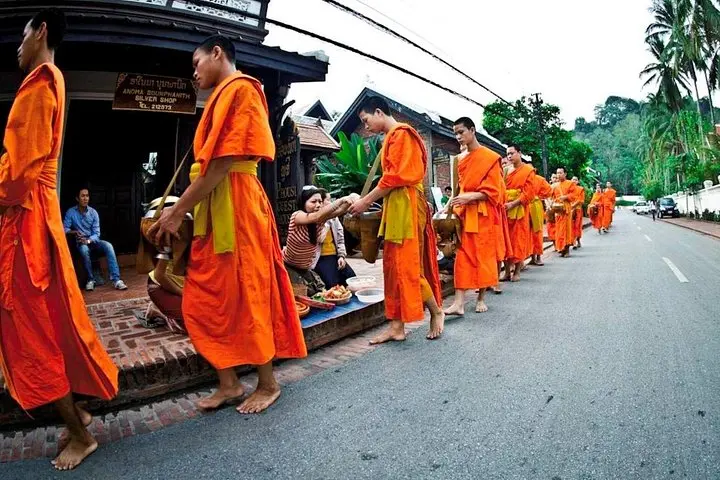
Expect early mornings (alms and hilltop views), moderate walking on uneven surfaces, boat transfers on the Mekong and Tonle Sap, and a 2-hour daytime train between Vientiane and Luang Prabang. Dress conservatively at religious sites (shoulders and knees covered). Carry cash for small vendors, be ready for hot, humid days and sudden showers in the rainy season, and allow time for temple exploration — Angkor Wat rewards slow, shaded circuits rather than rushing.
Practical essentials: confirm internal flight times, wear grippy shoes for temple steps and waterfall rock, stay hydrated (bottled water is provided on many legs), and respect local customs when photographing religious ceremonies. This is a compact cultural-ecological loop that balances river travel, falls and UNESCO-scale temples into an active week of discovery.
Most nationalities require visas for both countries—obtain e-visas or visa-on-arrival where available and check passport validity requirements before travel.
The itinerary is rated moderate: expect daily walking on uneven ground, some stairs at temples and short hikes at Kuang Si; no technical climbing is required.
The tour includes accommodation on twin/double/triple basis with breakfast and five lunches; other meals and drinks may be at your expense.
Swimming is often possible in the lower pools when conditions allow, but follow local guidance and avoid swimming after heavy rain due to stronger currents and water quality concerns.
Adventure Myanmar Tours & Incentives operates guided outdoor trips and adventures with an emphasis on safety, stewardship, and memorable experiences.
Morning light lifts off the Mekong and the city stirs — incense smoke at a Wat, longboats slipping downstream, and the distant hum of a train platform. This eight-day circuit threads Vientiane, Luang Prabang and Siem Reap, moving by train, road and river to places where stone and water keep different memories.
Morning light lifts off the Mekong and the city stirs — incense smoke at a Wat, longboats slipping downstream, and the distant hum of a train platform. This eight-day circuit threads Vientiane, Luang Prabang and Siem Reap, moving by train, road and river to places where stone and water keep different memories.
The route pairs Lao hill-country scenery with the lowland plains of the Angkor basin. In Luang Prabang veteran temples and French colonial streets reflect centuries of trade and monarchy; the Pak Ou caves hold hundreds of small Buddha figures deposited by pilgrims. Kuang Si Waterfall descends over limestone shelves, its pools carved by karst chemistry. Crossing into Cambodia, Angkor’s sandstone galleries and the floating communities of Tonle Sap speak to Khmer engineering, hydraulic management and a rural fishing culture that shaped the region.
Expect early mornings (alms and hilltop views), moderate walking on uneven surfaces, boat transfers on the Mekong and Tonle Sap, and a 2-hour daytime train between Vientiane and Luang Prabang. Dress conservatively at religious sites (shoulders and knees covered). Carry cash for small vendors, be ready for hot, humid days and sudden showers in the rainy season, and allow time for temple exploration — Angkor Wat rewards slow, shaded circuits rather than rushing.
Practical essentials: confirm internal flight times, wear grippy shoes for temple steps and waterfall rock, stay hydrated (bottled water is provided on many legs), and respect local customs when photographing religious ceremonies. This is a compact cultural-ecological loop that balances river travel, falls and UNESCO-scale temples into an active week of discovery.