THE ADVENTURE COLLECTIVE® · Independent discovery and booking for outdoor travel

A four-day high-altitude trek through the Lares valley that combines glacier-fed lagoons, Quechua villages and a guided arrival at Machu Picchu. Expect remote camps, mule support and climbs above 4,200–4,600 m.
A four-day high-altitude trek through the Lares valley that combines glacier-fed lagoons, Quechua villages and a guided arrival at Machu Picchu. Expect remote camps, mule support and climbs above 4,200–4,600 m.
Before dawn the bus unspools from Cusco into a stitched ribbon of mountain road, carrying a small group toward Calca and the Lares valley. By midmorning you stand beside a glacial lagoon at 4,200 m, wind pressing against your jacket while llamas graze on the tough puna grass. Horsemen and mules wait like practiced stagehands; the trail climbs to Auroracassa at roughly 4,600 m, where snow-lipped peaks and shallow turquoise lakes frame a wide, patient sky.
Verified experiences and guided adventures in the surrounding area.
Operated by Conde Travel · Cusco, Cusco
Before dawn the bus unspools from Cusco into a stitched ribbon of mountain road, carrying a small group toward Calca and the Lares valley. By midmorning you stand beside a glacial lagoon at 4,200 m, wind pressing against your jacket while llamas graze on the tough puna grass. Horsemen and mules wait like practiced stagehands; the trail climbs to Auroracassa at roughly 4,600 m, where snow-lipped peaks and shallow turquoise lakes frame a wide, patient sky.
This route follows sections of ancient Andean paths and threads through villages where Quechua-speaking herding communities maintain centuries-old rhythms. Geologically the corridor is carved by Pleistocene glaciers, leaving steep passes, moraine lakes and exposed granite ridgelines; terraces at Pumamarka remind you that the Inca engineered drainage and agriculture to survive thin air and short seasons. Local culture centers on weaving, alpaca husbandry and land stewardship — expect opportunities to see traditional textiles and meet families who still work by hand.
Practically, the Lares trek is a moderate high-altitude trek: four days including two nights camping and one night in a hostel at Aguas Calientes. Guides, porters, kitchen staff and mule support are included; meals are provided on the trail. Acclimatize in Cusco for 24–48 hours, layer for wind and sun, and carry a personal daypack with water and snacks. Weather shifts rapidly — rain is common outside the dry season (May–Sep) — so waterproof layers and a warm sleeping bag are key. The final morning begins early to reach Machu Picchu with daylight; follow your guide's schedule and book entrance tickets ahead to avoid sold-out days.
Expect passes between approximately 4,200 and 4,600 meters; altitude acclimatization is essential.
Not always — check your booking details. If not included, buy Machu Picchu tickets in advance as daily visitor numbers are limited.
Yes — mule support and horsemen are included to carry group camping equipment and some personal luggage; carry a personal daypack for essentials.
Moderate fitness: several consecutive days of trekking at altitude with some steep ascents and descents; not recommended for people with serious heart or spinal conditions.
Conde Travel operates guided outdoor trips and adventures with an emphasis on safety, stewardship, and memorable experiences.
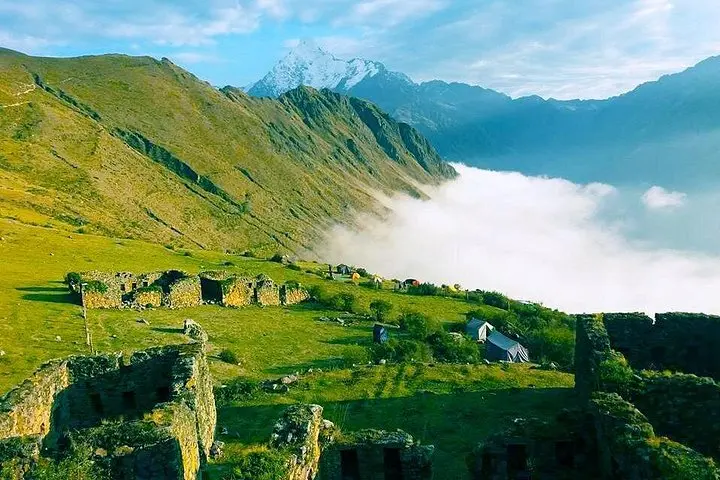
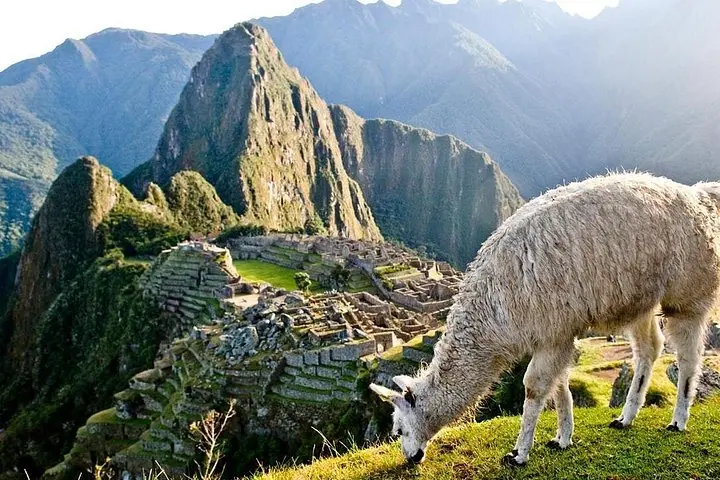
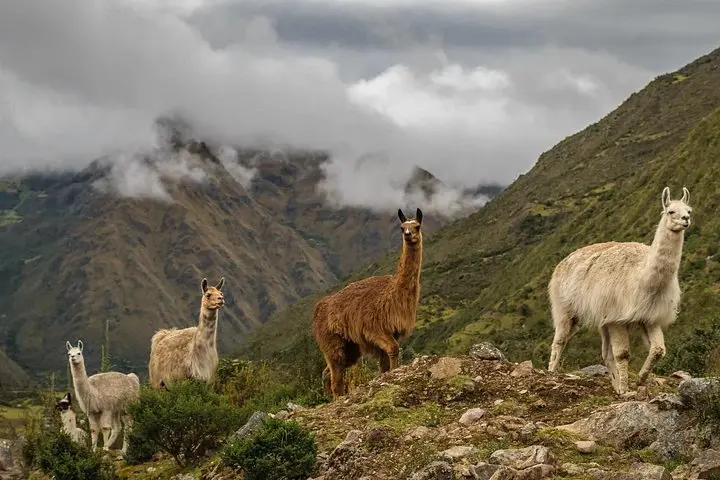
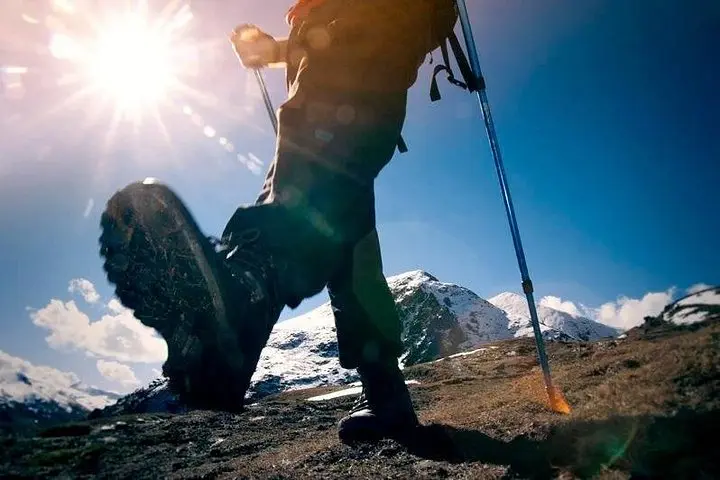
Before dawn the bus unspools from Cusco into a stitched ribbon of mountain road, carrying a small group toward Calca and the Lares valley. By midmorning you stand beside a glacial lagoon at 4,200 m, wind pressing against your jacket while llamas graze on the tough puna grass. Horsemen and mules wait like practiced stagehands; the trail climbs to Auroracassa at roughly 4,600 m, where snow-lipped peaks and shallow turquoise lakes frame a wide, patient sky.
Before dawn the bus unspools from Cusco into a stitched ribbon of mountain road, carrying a small group toward Calca and the Lares valley. By midmorning you stand beside a glacial lagoon at 4,200 m, wind pressing against your jacket while llamas graze on the tough puna grass. Horsemen and mules wait like practiced stagehands; the trail climbs to Auroracassa at roughly 4,600 m, where snow-lipped peaks and shallow turquoise lakes frame a wide, patient sky.
This route follows sections of ancient Andean paths and threads through villages where Quechua-speaking herding communities maintain centuries-old rhythms. Geologically the corridor is carved by Pleistocene glaciers, leaving steep passes, moraine lakes and exposed granite ridgelines; terraces at Pumamarka remind you that the Inca engineered drainage and agriculture to survive thin air and short seasons. Local culture centers on weaving, alpaca husbandry and land stewardship — expect opportunities to see traditional textiles and meet families who still work by hand.
Practically, the Lares trek is a moderate high-altitude trek: four days including two nights camping and one night in a hostel at Aguas Calientes. Guides, porters, kitchen staff and mule support are included; meals are provided on the trail. Acclimatize in Cusco for 24–48 hours, layer for wind and sun, and carry a personal daypack with water and snacks. Weather shifts rapidly — rain is common outside the dry season (May–Sep) — so waterproof layers and a warm sleeping bag are key. The final morning begins early to reach Machu Picchu with daylight; follow your guide's schedule and book entrance tickets ahead to avoid sold-out days.