THE ADVENTURE COLLECTIVE® · Independent discovery and booking for outdoor travel

A four-day blend of Andean culture and classic Inca Trail hiking, the Lares Trek to Machu Picchu pairs high passes and weaving villages with the iconic Sun Gate arrival. Prepare for altitude, camping nights, and a sunrise tour of Machu Picchu.
A four-day blend of Andean culture and classic Inca Trail hiking, the Lares Trek to Machu Picchu pairs high passes and weaving villages with the iconic Sun Gate arrival. Prepare for altitude, camping nights, and a sunrise tour of Machu Picchu.
You set out before dawn from Cusco, the road cutting through high puna where cold wind pushes across terraced fields and llamas lift their faces to the sky. The Lares valley opens with squat stone houses, steaming hot springs, and trails that climb into thinning air—each step a conversation with the Andes. By day two you crest Ipsaycocha Pass (about 4,400 m / 14,435 ft) and the mountains feel like living granite, testing your breath and steadying your pace.
Verified experiences and guided adventures in the surrounding area.
Operated by Machula Expeditions · Aguas Calientes (Machu Picchu Pueblo), Cusco
You set out before dawn from Cusco, the road cutting through high puna where cold wind pushes across terraced fields and llamas lift their faces to the sky. The Lares valley opens with squat stone houses, steaming hot springs, and trails that climb into thinning air—each step a conversation with the Andes. By day two you crest Ipsaycocha Pass (about 4,400 m / 14,435 ft) and the mountains feel like living granite, testing your breath and steadying your pace.
The Lares route threads together Quechua farming communities and the final stretch of the classic Inca Trail: a mix of living culture and engineered stonework. Geologically, the range is young and jagged—glaciated peaks carve ridgelines while river valleys drop into cloud forest. Culturally, Lares remains an active textile region; you’ll meet weavers whose spinning wheels continue centuries-old patterns.
Expect camping nights under a thin, star-dense sky and one hotel night in Aguas Calientes. The Inca Trail segment from Km 104 is steeped in archaeology—sites like Chachabamba and Wiñay Wayna reveal terracing and drainage that speak to Inca ingenuity. Practice altitude pacing: short, frequent breaks and steady hydration matter more than speed.
Practical guidance: pack warm layers for pre-dawn starts, a reliable sleeping pad, and good boots with ankle support for mixed rocky and muddy sections. Your guide handles logistics, porters and most meals; bring personal medications, a daypack, and cash for tips and souvenirs. Start your acclimatization in Cusco 48–72 hours before trekking to reduce risk of altitude sickness and maximize enjoyment of Machu Picchu’s sunrise reveal.
The short Inca Trail from Km 104 is included with Machu Picchu entry for this itinerary; operators handle required permits and entrance tickets—book early in peak season (May–September).
Ipsaycocha Pass reaches ~4,400 m; mild altitude symptoms are common—acclimatize in Cusco, hydrate, avoid alcohol and inform guides of any severe signs immediately.
Camping uses supplied tents and communal dining areas; you’ll have a personal porter allowance (up to ~7 kg) while chefs handle hot meals for dinner and breakfast.
Travelers with moderate fitness and some hiking experience can succeed, but prior multi-day trekking experience and proper preparation improve comfort and safety.
Machula Expeditions operates guided outdoor trips and adventures with an emphasis on safety, stewardship, and memorable experiences.
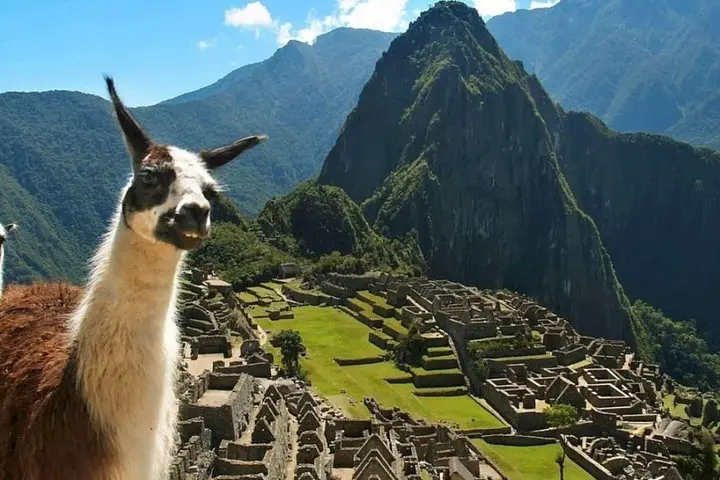
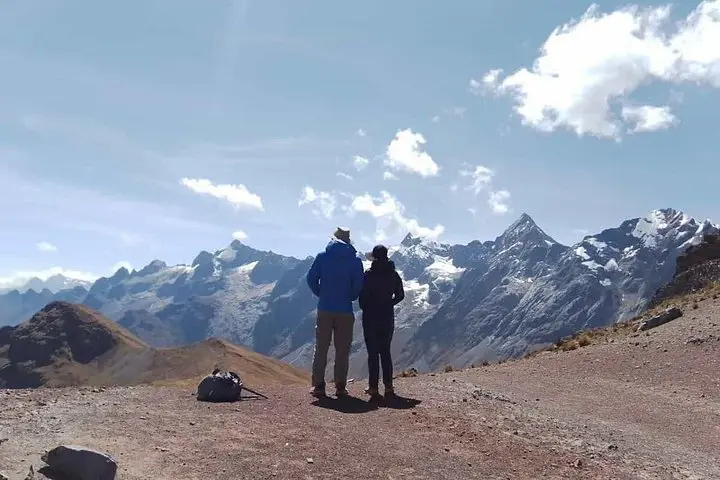
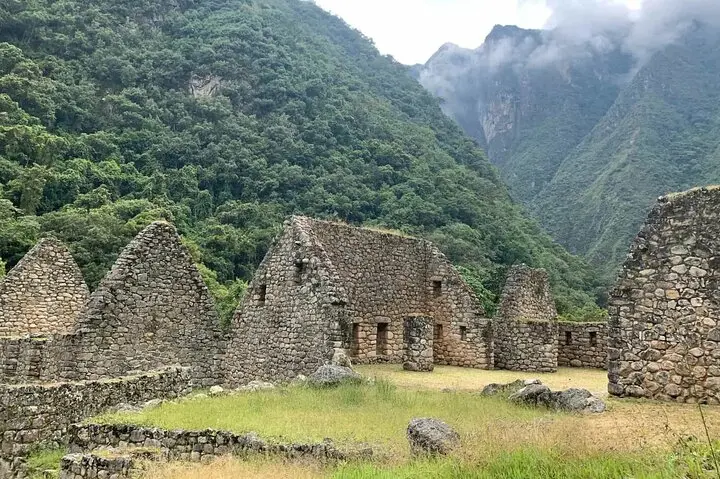
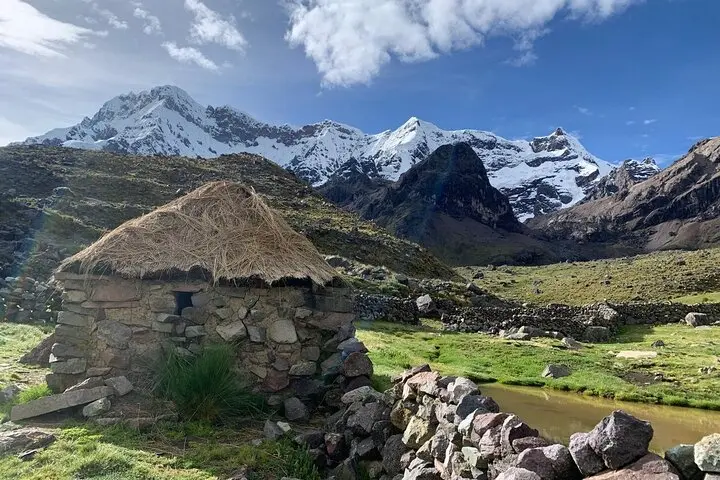
You set out before dawn from Cusco, the road cutting through high puna where cold wind pushes across terraced fields and llamas lift their faces to the sky. The Lares valley opens with squat stone houses, steaming hot springs, and trails that climb into thinning air—each step a conversation with the Andes. By day two you crest Ipsaycocha Pass (about 4,400 m / 14,435 ft) and the mountains feel like living granite, testing your breath and steadying your pace.
You set out before dawn from Cusco, the road cutting through high puna where cold wind pushes across terraced fields and llamas lift their faces to the sky. The Lares valley opens with squat stone houses, steaming hot springs, and trails that climb into thinning air—each step a conversation with the Andes. By day two you crest Ipsaycocha Pass (about 4,400 m / 14,435 ft) and the mountains feel like living granite, testing your breath and steadying your pace.
The Lares route threads together Quechua farming communities and the final stretch of the classic Inca Trail: a mix of living culture and engineered stonework. Geologically, the range is young and jagged—glaciated peaks carve ridgelines while river valleys drop into cloud forest. Culturally, Lares remains an active textile region; you’ll meet weavers whose spinning wheels continue centuries-old patterns.
Expect camping nights under a thin, star-dense sky and one hotel night in Aguas Calientes. The Inca Trail segment from Km 104 is steeped in archaeology—sites like Chachabamba and Wiñay Wayna reveal terracing and drainage that speak to Inca ingenuity. Practice altitude pacing: short, frequent breaks and steady hydration matter more than speed.
Practical guidance: pack warm layers for pre-dawn starts, a reliable sleeping pad, and good boots with ankle support for mixed rocky and muddy sections. Your guide handles logistics, porters and most meals; bring personal medications, a daypack, and cash for tips and souvenirs. Start your acclimatization in Cusco 48–72 hours before trekking to reduce risk of altitude sickness and maximize enjoyment of Machu Picchu’s sunrise reveal.