THE ADVENTURE COLLECTIVE® · Independent discovery and booking for outdoor travel

Steeped in highland culture and quieter than the Inca Trail, the Lares Trek is a four-day, moderate trek from Cusco that crosses alpine passes, visits weaving communities, and finishes at Machu Picchu. Expect cold nights, horses to carry luggage, and close cultural encounters.
Steeped in highland culture and quieter than the Inca Trail, the Lares Trek is a four-day, moderate trek from Cusco that crosses alpine passes, visits weaving communities, and finishes at Machu Picchu. Expect cold nights, horses to carry luggage, and close cultural encounters.
Morning light slices the Andes as a private minibus slips east from Cusco into the Sacred Valley. Fields and stone houses blur, then open to the Lares hot springs where steam lifts off cold water like a quiet promise. Hikers shoulder packs and set off on worn mule tracks that climb through farming hamlets, past weaving workshops, and over high passes where wind pushes and clouds hurry across snow-capped peaks.
Verified experiences and guided adventures in the surrounding area.
Operated by Conde Travel · Cusco, Cusco Region
Morning light slices the Andes as a private minibus slips east from Cusco into the Sacred Valley. Fields and stone houses blur, then open to the Lares hot springs where steam lifts off cold water like a quiet promise. Hikers shoulder packs and set off on worn mule tracks that climb through farming hamlets, past weaving workshops, and over high passes where wind pushes and clouds hurry across snow-capped peaks.
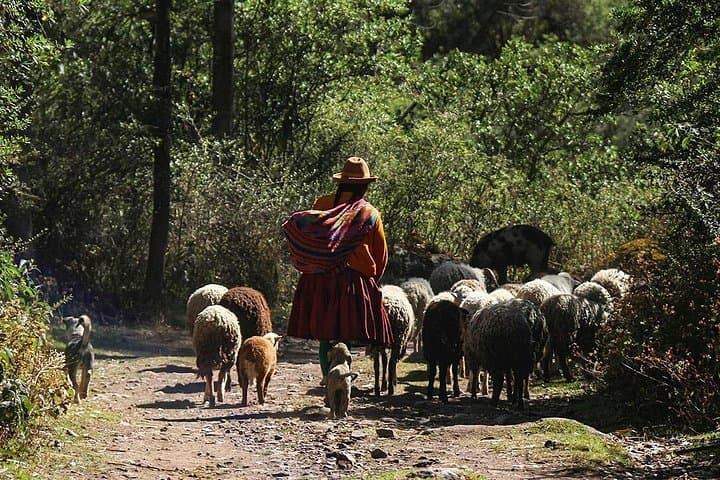
The route follows ancestral pathways used by Quechua communities for centuries; terraces and Inca-built steps appear at Pumamarka and Ollantaytambo. Geology here is raw—glacially carved valleys, moraines, and volcanic-born granite rising into Veronica’s shadow. Cultural exchange is central: alpaca and llama herders still move flocks seasonally, and textile demonstrations reveal natural-dye techniques passed down through generations.
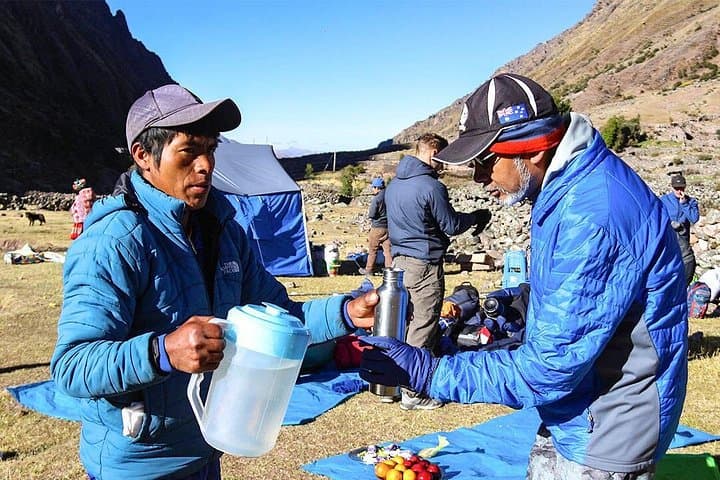
Practically, the Lares is a moderate, multi-day trek (4 days) that trades crowds for remote campsites. Expect undulating trails, a high pass near 4,100–4,300 m, and cold nights in canvas tents. Guides coordinate horses, cooks, and logistics; acclimatize in Cusco for 48–72 hours beforehand and pack warm layers and a good sleeping bag rated to -10°C.
Hydrate steadily, pace uphill with short steps, and use trekking poles for descents. The final day links Ollantaytambo and a train to Aguas Calientes, then an early guided tour of Machu Picchu—reserve Huayna Picchu separately if you want the summit. For travelers who want scenic variety, living culture, and fewer people on the trail, the Lares Trek offers a grounded, thoughtful alternative to the classic Inca Trail.
The itinerary includes Machu Picchu entry on day four as part of the tour.
No special permits are required for the Lares Trek, but Machu Picchu entry and train reservations are managed by the operator.
Horses and horsemen transport luggage and camping equipment; carry a daypack with essentials and valuables.
Acclimatize in Cusco for 48–72 hours, ascend slowly, stay hydrated, and speak to your guide about medication like acetazolamide if you are prone to AMS.
Conde Travel operates guided outdoor trips and adventures with an emphasis on safety, stewardship, and memorable experiences.


Morning light slices the Andes as a private minibus slips east from Cusco into the Sacred Valley. Fields and stone houses blur, then open to the Lares hot springs where steam lifts off cold water like a quiet promise. Hikers shoulder packs and set off on worn mule tracks that climb through farming hamlets, past weaving workshops, and over high passes where wind pushes and clouds hurry across snow-capped peaks.
Morning light slices the Andes as a private minibus slips east from Cusco into the Sacred Valley. Fields and stone houses blur, then open to the Lares hot springs where steam lifts off cold water like a quiet promise. Hikers shoulder packs and set off on worn mule tracks that climb through farming hamlets, past weaving workshops, and over high passes where wind pushes and clouds hurry across snow-capped peaks.
The route follows ancestral pathways used by Quechua communities for centuries; terraces and Inca-built steps appear at Pumamarka and Ollantaytambo. Geology here is raw—glacially carved valleys, moraines, and volcanic-born granite rising into Veronica’s shadow. Cultural exchange is central: alpaca and llama herders still move flocks seasonally, and textile demonstrations reveal natural-dye techniques passed down through generations.
Practically, the Lares is a moderate, multi-day trek (4 days) that trades crowds for remote campsites. Expect undulating trails, a high pass near 4,100–4,300 m, and cold nights in canvas tents. Guides coordinate horses, cooks, and logistics; acclimatize in Cusco for 48–72 hours beforehand and pack warm layers and a good sleeping bag rated to -10°C.
Hydrate steadily, pace uphill with short steps, and use trekking poles for descents. The final day links Ollantaytambo and a train to Aguas Calientes, then an early guided tour of Machu Picchu—reserve Huayna Picchu separately if you want the summit. For travelers who want scenic variety, living culture, and fewer people on the trail, the Lares Trek offers a grounded, thoughtful alternative to the classic Inca Trail.