THE ADVENTURE COLLECTIVE® · Independent discovery and booking for outdoor travel

A four‑day alternative to the Inca Trail that crosses Lares hot springs, a 4,350 m pass, Andean lagoons and traditional Quechua villages before finishing at Machu Picchu. Expect high altitude, varied terrain and vivid cultural encounters.
A four‑day alternative to the Inca Trail that crosses Lares hot springs, a 4,350 m pass, Andean lagoons and traditional Quechua villages before finishing at Machu Picchu. Expect high altitude, varied terrain and vivid cultural encounters.
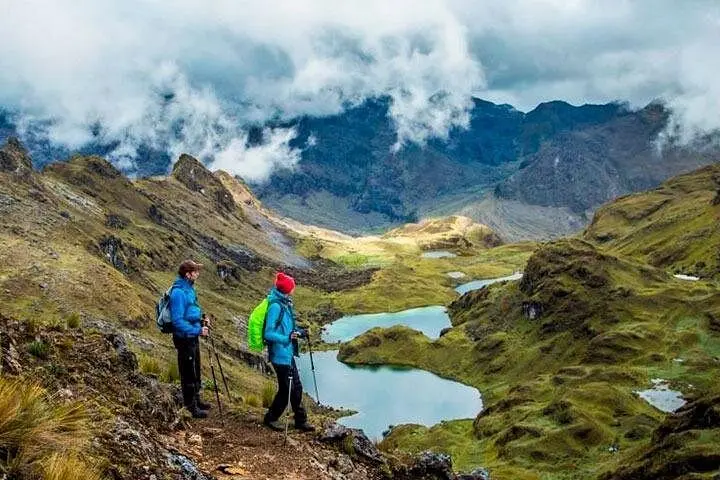
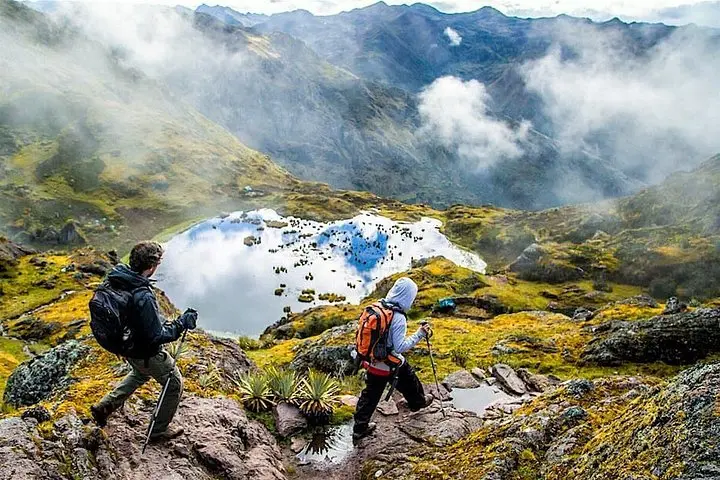
The morning bus pulls out of Cusco before dawn, the Andes folding open as you climb toward Lares. Steam rises from a thermal spring while alpacas graze on terraces — the first scent of this four‑day route. The trail threads high past glacial cirques and bright lagoons, climbs a 4,350 m pass, then descends into Quechua villages that still speak Aymara and Quechua alongside Spanish.
Verified experiences and guided adventures in the surrounding area.
Operated by Machu Picchu Hike Tours · Ollantaytambo, Cusco Region
The morning bus pulls out of Cusco before dawn, the Andes folding open as you climb toward Lares. Steam rises from a thermal spring while alpacas graze on terraces — the first scent of this four‑day route. The trail threads high past glacial cirques and bright lagoons, climbs a 4,350 m pass, then descends into Quechua villages that still speak Aymara and Quechua alongside Spanish.
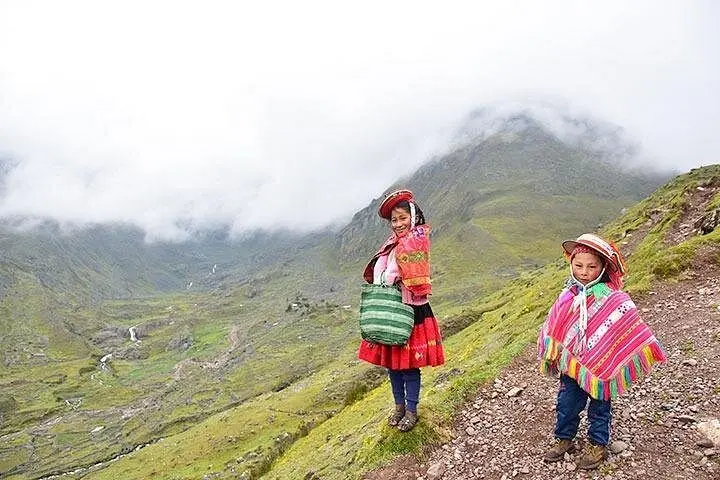
Geology here is raw: uplifted volcanic and metamorphic rock carved by Pleistocene glaciers into cirques and moraine-dammed lakes. The route follows ancient footpaths used by local communities long predating the Spanish era; many villagers trace ancestry to Inca agriculturalists and maintain traditional weaving, dress and farming. Cultural stops in Willoq and Yanawara put living Andean life at the center of the walk.
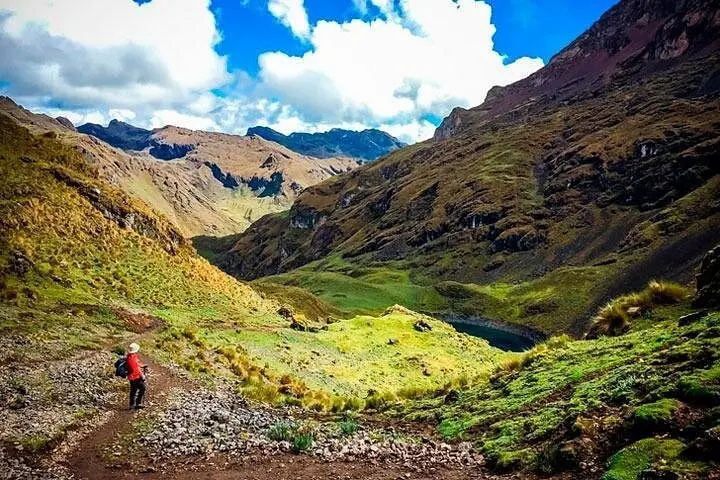
Practical guidance: expect daily hiking of 4–8 hours on mixed dirt tracks, grass meadows and rocky switchbacks. Nights are cold — camps sit between 3,600–3,800 m, the Ipsay Pass tops at ~4,350 m. Pace conservatively for altitude, drink frequently, and protect skin from solar radiation.
Logistics usually include pick‑up from the Cusco historic center, mules for camp gear, trained cooks, and a final train transfer from Ollantaytambo to Aguas Calientes for Machu Picchu. Bring layered clothing, a sturdy boot with ankle support, trekking poles, and a sense of patience: the trail is as much about people and place as it is about the summit views.
No — Lares is an independent route and does not require the Inca Trail permit, but Machu Picchu entry tickets and train seats to Aguas Calientes must be booked in advance.
The Ipsay Pass reaches about 4,350 m with sustained uphill sections; it’s steep in places but technically non-technical — pacing and hydration are key.
Camps use four‑season tents (shared), mattresses, and cooked meals; expect rustic facilities and cold nights but competent camp logistics provided by operators.
Most packages include meals, tents, mules, guide and train tickets; bring cash for tips, small purchases in villages, and optional services in Aguas Calientes.
Machu Picchu Hike Tours operates guided outdoor trips and adventures with an emphasis on safety, stewardship, and memorable experiences.
The morning bus pulls out of Cusco before dawn, the Andes folding open as you climb toward Lares. Steam rises from a thermal spring while alpacas graze on terraces — the first scent of this four‑day route. The trail threads high past glacial cirques and bright lagoons, climbs a 4,350 m pass, then descends into Quechua villages that still speak Aymara and Quechua alongside Spanish.
The morning bus pulls out of Cusco before dawn, the Andes folding open as you climb toward Lares. Steam rises from a thermal spring while alpacas graze on terraces — the first scent of this four‑day route. The trail threads high past glacial cirques and bright lagoons, climbs a 4,350 m pass, then descends into Quechua villages that still speak Aymara and Quechua alongside Spanish.
Geology here is raw: uplifted volcanic and metamorphic rock carved by Pleistocene glaciers into cirques and moraine-dammed lakes. The route follows ancient footpaths used by local communities long predating the Spanish era; many villagers trace ancestry to Inca agriculturalists and maintain traditional weaving, dress and farming. Cultural stops in Willoq and Yanawara put living Andean life at the center of the walk.
Practical guidance: expect daily hiking of 4–8 hours on mixed dirt tracks, grass meadows and rocky switchbacks. Nights are cold — camps sit between 3,600–3,800 m, the Ipsay Pass tops at ~4,350 m. Pace conservatively for altitude, drink frequently, and protect skin from solar radiation.
Logistics usually include pick‑up from the Cusco historic center, mules for camp gear, trained cooks, and a final train transfer from Ollantaytambo to Aguas Calientes for Machu Picchu. Bring layered clothing, a sturdy boot with ankle support, trekking poles, and a sense of patience: the trail is as much about people and place as it is about the summit views.