THE ADVENTURE COLLECTIVE® · Independent discovery and booking for outdoor travel

A four-day Lares Valley trek that combines high passes, turquoise lagoons, authentic Quechua villages and a final arrival at Machu Picchu. Ideal for fit hikers seeking culture and quiet trails away from the main Inca Trail.
A four-day Lares Valley trek that combines high passes, turquoise lagoons, authentic Quechua villages and a final arrival at Machu Picchu. Ideal for fit hikers seeking culture and quiet trails away from the main Inca Trail.
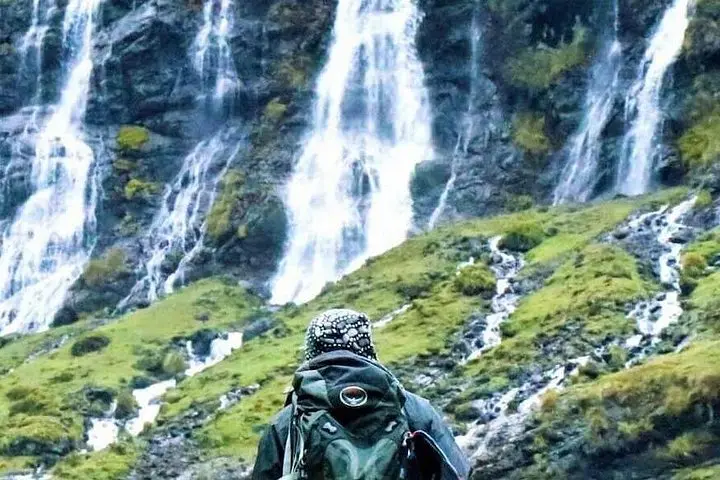
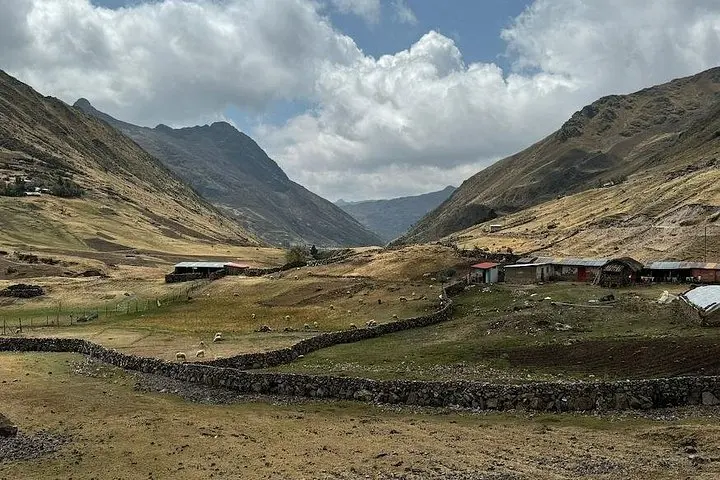
Dawn arrives as a cold hand across the high Andes, and you step out under a sky of pale fire. The Lares Trek threads between stone terraces and grazing alpacas, climbing through villages that still speak Quechua and slope toward a skyline of glaciers. By evening, camps sit beneath constellations used for planting; by day, turquoise lagoons and a dramatic pass test your lungs and focus.
Verified experiences and guided adventures in the surrounding area.
Operated by Nig Adventures · Cusco, Cusco Region
Dawn arrives as a cold hand across the high Andes, and you step out under a sky of pale fire. The Lares Trek threads between stone terraces and grazing alpacas, climbing through villages that still speak Quechua and slope toward a skyline of glaciers. By evening, camps sit beneath constellations used for planting; by day, turquoise lagoons and a dramatic pass test your lungs and focus.
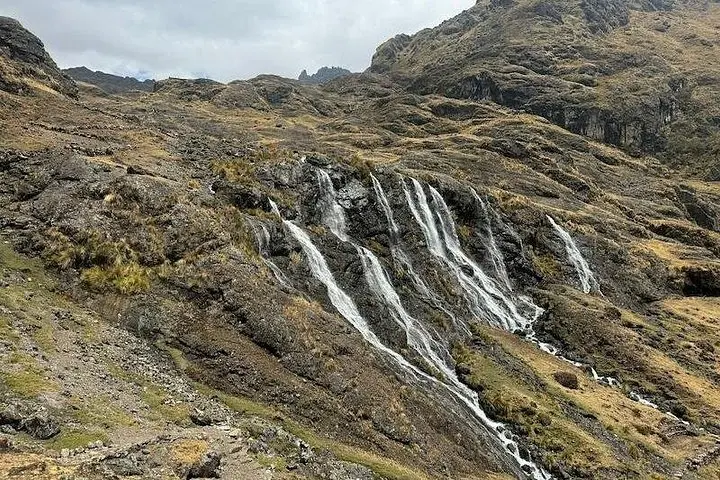
This less-traveled route predates the tourist bustle around Inca Trail access and follows paths long used by mountain communities for trade and herding. Geologically, the valley sits on uplifted Andean bedrock with glacial cirques and moraine-made lakes; thermal activity feeds the Lares hot springs. Culturally, the trek is a living encounter — families weave with natural dyes, and traditional dress and agricultural rhythms are visible along the trail.
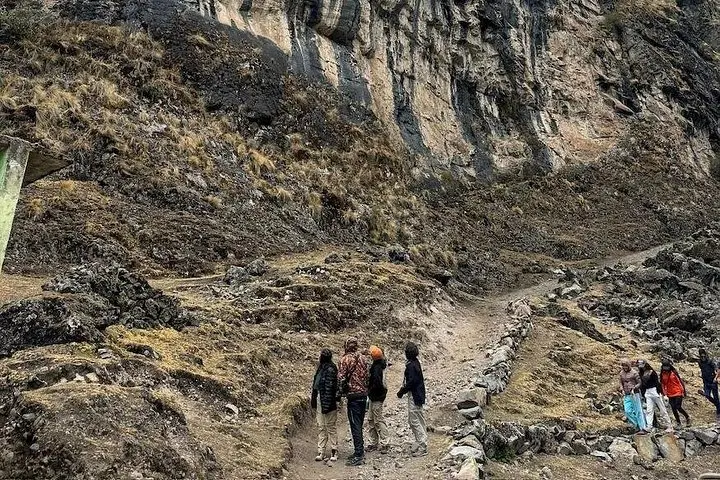
Expect steady climbs (the high point is around 4,500 m at Pachacutec Pass), rocky alpine trails, and day-to-day camp living. Mules and horsemen carry gear while a trekking chef handles meals; guides translate both language and landscape.
Practical edge: acclimatize in Cusco for 48+ hours, pack layers for freezing nights and strong sun, and plan short, steady paces on ascent days. Hydrate slowly and carry altitude medication if prescribed. While the reward is Machu Picchu on day four—often at sunrise—the real gain is traversing an Andean valley where mountains push and rivers dare you forward.
Yes—this itinerary includes the Machu Picchu entrance ticket and train; confirm time slots and carry a valid passport matching your ticket name.
Pachacutec Pass reaches about 4,500 m and involves several hours of steady uphill; proper acclimatization and a slow pace make it achievable for fit hikers.
Camps offer basic hygienic services; hot springs on day three provide bathing options before heading to Aguas Calientes.
Mules and horsemen carry general equipment and up to about 7 kg of personal belongings; send larger luggage by vehicle from Cusco to the endpoint.
Nig Adventures operates guided outdoor trips and adventures with an emphasis on safety, stewardship, and memorable experiences.
Dawn arrives as a cold hand across the high Andes, and you step out under a sky of pale fire. The Lares Trek threads between stone terraces and grazing alpacas, climbing through villages that still speak Quechua and slope toward a skyline of glaciers. By evening, camps sit beneath constellations used for planting; by day, turquoise lagoons and a dramatic pass test your lungs and focus.
Dawn arrives as a cold hand across the high Andes, and you step out under a sky of pale fire. The Lares Trek threads between stone terraces and grazing alpacas, climbing through villages that still speak Quechua and slope toward a skyline of glaciers. By evening, camps sit beneath constellations used for planting; by day, turquoise lagoons and a dramatic pass test your lungs and focus.
This less-traveled route predates the tourist bustle around Inca Trail access and follows paths long used by mountain communities for trade and herding. Geologically, the valley sits on uplifted Andean bedrock with glacial cirques and moraine-made lakes; thermal activity feeds the Lares hot springs. Culturally, the trek is a living encounter — families weave with natural dyes, and traditional dress and agricultural rhythms are visible along the trail.
Expect steady climbs (the high point is around 4,500 m at Pachacutec Pass), rocky alpine trails, and day-to-day camp living. Mules and horsemen carry gear while a trekking chef handles meals; guides translate both language and landscape.
Practical edge: acclimatize in Cusco for 48+ hours, pack layers for freezing nights and strong sun, and plan short, steady paces on ascent days. Hydrate slowly and carry altitude medication if prescribed. While the reward is Machu Picchu on day four—often at sunrise—the real gain is traversing an Andean valley where mountains push and rivers dare you forward.