THE ADVENTURE COLLECTIVE® · Independent discovery and booking for outdoor travel

Spend a day among highland hot springs, Quechua weaving communities, and Inka-era terraces in the Lares Valley. This full-day outing pairs short cultural walks with a soak in thermomedicinal pools—ideal for travelers acclimatized to Cusco’s altitude.
Spend a day among highland hot springs, Quechua weaving communities, and Inka-era terraces in the Lares Valley. This full-day outing pairs short cultural walks with a soak in thermomedicinal pools—ideal for travelers acclimatized to Cusco’s altitude.
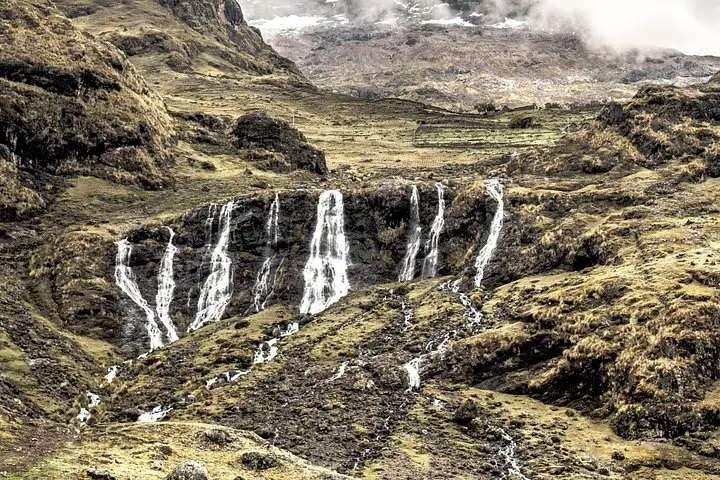
You step off the minivan where a thin blue smoke rises from cooking fires and the valley opens into patchwork fields—steep terraces climbing like stacked steps toward jagged, glaciated ridgelines. The air here is thin and cool; a stream threads the valley, daring you to follow its sound toward steaming pools and small stone hamlets where alpaca herds graze.
Verified experiences and guided adventures in the surrounding area.
Operated by Woow Perú Travel · Lares, Cusco Region
You step off the minivan where a thin blue smoke rises from cooking fires and the valley opens into patchwork fields—steep terraces climbing like stacked steps toward jagged, glaciated ridgelines. The air here is thin and cool; a stream threads the valley, daring you to follow its sound toward steaming pools and small stone hamlets where alpaca herds graze.
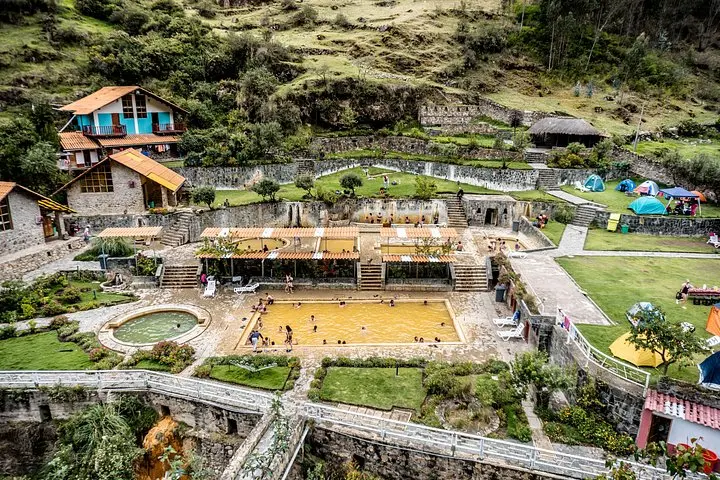
Lares Valley sits on the eastern edge of the Sacred Valley complex and has long been a corridor between high Andean communities and the Inka heartland. Geologically, the valley was carved by glaciers and rivers, leaving exposed schist and river-polished boulders and pockets of natural thermal springs where groundwater meets geothermal heat.
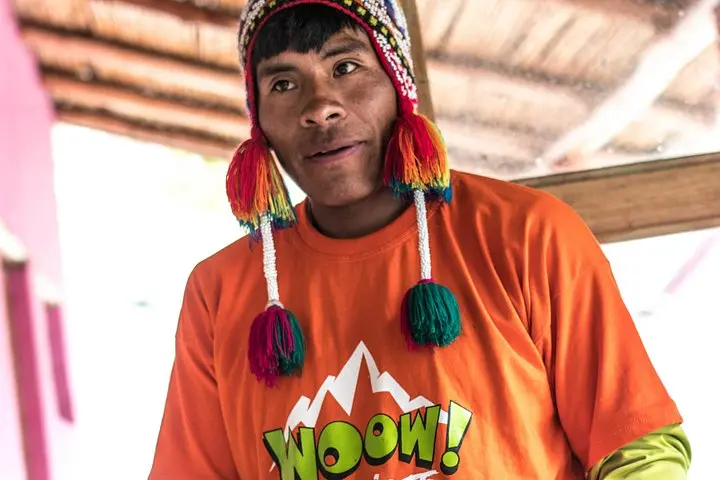
Culturally the area is notable for living Andean textile traditions—local weavers still dye wool with plant and mineral pigments and wear distinctive local dress—and for small Quechua-speaking communities that maintain communal agriculture. History here is visible in stone terraces and trail alignments that echo pre-Columbian travel routes.
Practically: most full-day Lares excursions combine short village visits, a walk on well-defined dirt trails, a chance to shop textiles, and a soak in thermomedicinal pools. Expect altitudes above 3,000 m; bring layered clothing, sun protection, and time to acclimatize in Cusco. Walks are generally moderate—uneven surfaces and uphill sections are common but no technical gear is required. Cash is handy for market stalls, and a respectful camera policy applies in villages. The day moves at valley pace: slow, social, and focused on people as much as landscape.
Lares Valley sits mostly above 3,000 m; travelers should acclimatize in Cusco for 24–48 hours and monitor for mild symptoms—rest, hydrate, and avoid alcohol before the trip.
Most full-day tours include time at public thermomedicinal pools; facilities vary and pools are typically communal, not private.
Yes—many operators list the trip as suitable for a range of ages, but those with spinal, heart, or pregnancy concerns should avoid it per provider guidance.
Yes; listings commonly offer bilingual guides (Spanish and English) but confirm at booking if you require a specific language.
Woow Perú Travel operates guided outdoor trips and adventures with an emphasis on safety, stewardship, and memorable experiences.
You step off the minivan where a thin blue smoke rises from cooking fires and the valley opens into patchwork fields—steep terraces climbing like stacked steps toward jagged, glaciated ridgelines. The air here is thin and cool; a stream threads the valley, daring you to follow its sound toward steaming pools and small stone hamlets where alpaca herds graze.
You step off the minivan where a thin blue smoke rises from cooking fires and the valley opens into patchwork fields—steep terraces climbing like stacked steps toward jagged, glaciated ridgelines. The air here is thin and cool; a stream threads the valley, daring you to follow its sound toward steaming pools and small stone hamlets where alpaca herds graze.
Lares Valley sits on the eastern edge of the Sacred Valley complex and has long been a corridor between high Andean communities and the Inka heartland. Geologically, the valley was carved by glaciers and rivers, leaving exposed schist and river-polished boulders and pockets of natural thermal springs where groundwater meets geothermal heat.
Culturally the area is notable for living Andean textile traditions—local weavers still dye wool with plant and mineral pigments and wear distinctive local dress—and for small Quechua-speaking communities that maintain communal agriculture. History here is visible in stone terraces and trail alignments that echo pre-Columbian travel routes.
Practically: most full-day Lares excursions combine short village visits, a walk on well-defined dirt trails, a chance to shop textiles, and a soak in thermomedicinal pools. Expect altitudes above 3,000 m; bring layered clothing, sun protection, and time to acclimatize in Cusco. Walks are generally moderate—uneven surfaces and uphill sections are common but no technical gear is required. Cash is handy for market stalls, and a respectful camera policy applies in villages. The day moves at valley pace: slow, social, and focused on people as much as landscape.