
Lares Valley Trek to Machu Picchu: 4-Day Cultural & High-Altitude Trek
A four-day alternative to the Inca Trail that balances high Andean passes, lake shores and community homestays. Expect challenging altitude gain, authentic textile encounters, and a final arrival at Machu Picchu via train.
An Adventure In Cusco.
A four-day alternative to the Inca Trail that balances high Andean passes, lake shores and community homestays. Expect challenging altitude gain, authentic textile encounters, and a final arrival at Machu Picchu via train.
Read the full experience
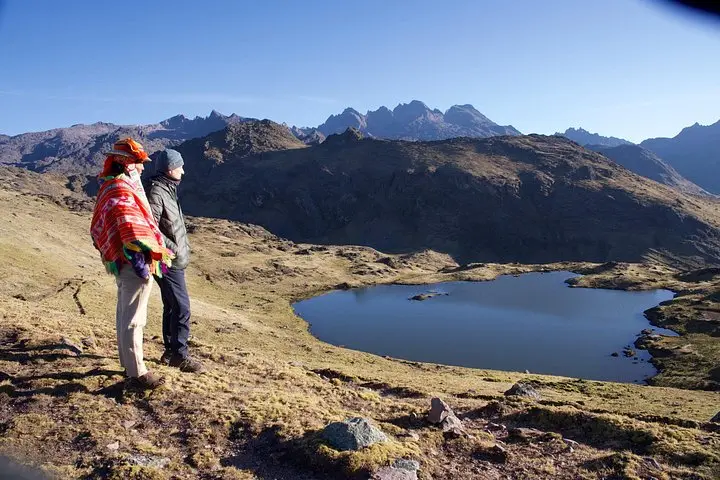
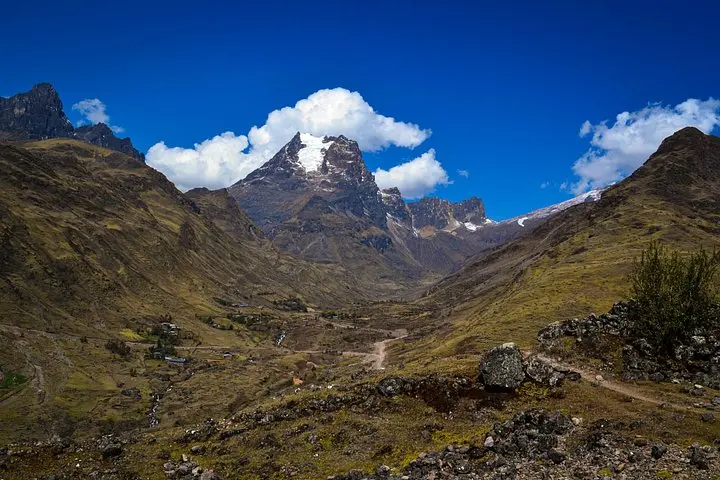
A thin dawn light slips across the high pastures as your van climbs out of Cusco toward the Lares Valley. The first trailhead opens into a pattern of hand-farmed terraces and grazing llamas; wind-sculpted ridges loom like slow-moving time. Over four days this route moves from community homestays and textile demonstrations through a 4,500 m pass, down to crystalline highland lakes and the humid foothills that feed the Sacred Valley—ending at the train to Aguas Calientes and the archaeological heart of Machu Picchu.
A thin dawn light slips across the high pastures as your van climbs out of Cusco toward the Lares Valley. The first trailhead opens into a pattern of hand-farmed terraces and grazing llamas; wind-sculpted ridges loom like slow-moving time. Over four days this route moves from community homestays and textile demonstrations through a 4,500 m pass, down to crystalline highland lakes and the humid foothills that feed the Sacred Valley—ending at the train to Aguas Calientes and the archaeological heart of Machu Picchu.
Geologically, the Lares route traces Andean uplift and glacial carving; the lakes and steep cols are products of recent Pleistocene activity. Culturally it’s a living corridor of Quechua-speaking communities where weaving, coca rituals and collective grazing persist. Expect small markets, hand-spun alpaca wool, and plainly honest hospitality in family-run lodges.
Practically, the trek mixes steep high-altitude ascents (the Huacawasi C’asa Pass at ~4,500 m) with long downhill days and some exposed, rocky paths. Plan for altitude: ascend slowly, drink frequently and carry layers for freezing mornings and sunlit afternoons. Footwear should be broken-in, waterproof and supportive; trekking poles reduce knee stress on descents. Daily hiking ranges from moderate 3–5 hour walks to a challenging 8–9 hour pass day. Bring cash for market purchases and a small daypack for camera, snacks and rain protection. If you want fewer crowds than the Classic Inca Trail, Lares rewards with culture, birdlife and hands-on encounters—just be ready for the thin air and honest effort.
Frequently asked questions
Yes—Machu Picchu visits require timed entrance tickets; secure them in advance and confirm train schedules from Aguas Calientes.
Altitude effects are possible; acclimatize in Cusco, ascend slowly, stay hydrated and consider coca tea or medication if advised by your doctor.
The itinerary includes a mix of rustic family lodging and guided camping nights; confirm bedding standards and any upgrades at booking.
That day is the most demanding—expect 8–9 hours with sustained uphill sections; prior multi-day trekking experience is recommended.
About This Experience
Explorandino - Perú operates guided outdoor trips and adventures with an emphasis on safety, stewardship, and memorable experiences.
Adventure tips
Recommended gear
- Waterproof hiking boots: Support and waterproofing for rocky ascents, wet trails and long downhill sections.
- Insulated jacket (down or synthetic): Cold mornings at 4,500 m and nighttime camping demand a warm mid-layer.
- Lightweight rain shell: Reliable rain protection for afternoon showers and windy passes.
- Sleeping bag (0°C rating) or rental option: Warm sleeping bag is important for community lodges and campsite nights at high elevation.
Photos of the experience
Related adventures & guides
Read the full experience
A thin dawn light slips across the high pastures as your van climbs out of Cusco toward the Lares Valley. The first trailhead opens into a pattern of hand-farmed terraces and grazing llamas; wind-sculpted ridges loom like slow-moving time. Over four days this route moves from community homestays and textile demonstrations through a 4,500 m pass, down to crystalline highland lakes and the humid foothills that feed the Sacred Valley—ending at the train to Aguas Calientes and the archaeological heart of Machu Picchu.
A thin dawn light slips across the high pastures as your van climbs out of Cusco toward the Lares Valley. The first trailhead opens into a pattern of hand-farmed terraces and grazing llamas; wind-sculpted ridges loom like slow-moving time. Over four days this route moves from community homestays and textile demonstrations through a 4,500 m pass, down to crystalline highland lakes and the humid foothills that feed the Sacred Valley—ending at the train to Aguas Calientes and the archaeological heart of Machu Picchu.
Geologically, the Lares route traces Andean uplift and glacial carving; the lakes and steep cols are products of recent Pleistocene activity. Culturally it’s a living corridor of Quechua-speaking communities where weaving, coca rituals and collective grazing persist. Expect small markets, hand-spun alpaca wool, and plainly honest hospitality in family-run lodges.
Practically, the trek mixes steep high-altitude ascents (the Huacawasi C’asa Pass at ~4,500 m) with long downhill days and some exposed, rocky paths. Plan for altitude: ascend slowly, drink frequently and carry layers for freezing mornings and sunlit afternoons. Footwear should be broken-in, waterproof and supportive; trekking poles reduce knee stress on descents. Daily hiking ranges from moderate 3–5 hour walks to a challenging 8–9 hour pass day. Bring cash for market purchases and a small daypack for camera, snacks and rain protection. If you want fewer crowds than the Classic Inca Trail, Lares rewards with culture, birdlife and hands-on encounters—just be ready for the thin air and honest effort.
Make a day of it nearby.
Verified experiences and guided adventures in the surrounding area.