THE ADVENTURE COLLECTIVE® · Independent discovery and booking for outdoor travel

Walk the final stretch of the Camino Francés from Sarria to Santiago de Compostela—about 110–115 km across six walking days. This guide covers daily distances, terrain, cultural highlights and practical tips for completing the pilgrimage with baggage transfers and lodging arranged.
Walk the final stretch of the Camino Francés from Sarria to Santiago de Compostela—about 110–115 km across six walking days. This guide covers daily distances, terrain, cultural highlights and practical tips for completing the pilgrimage with baggage transfers and lodging arranged.
You step onto the packed-earth path outside Sarria with a small pack and a stamped credential; the town recedes and a ribbon of stone and dirt threads through chestnut groves, farm fields and villages where laundry snaps in the wind. The route keeps you moving—short climbs out of river valleys, cobbled village streets that test your ankles, and the occasional vista that opens onto tiled roofs and church towers pointing the way.
Verified experiences and guided adventures in the surrounding area.
Operated by Tour Travel & More · Sarria, Galicia
You step onto the packed-earth path outside Sarria with a small pack and a stamped credential; the town recedes and a ribbon of stone and dirt threads through chestnut groves, farm fields and villages where laundry snaps in the wind. The route keeps you moving—short climbs out of river valleys, cobbled village streets that test your ankles, and the occasional vista that opens onto tiled roofs and church towers pointing the way.
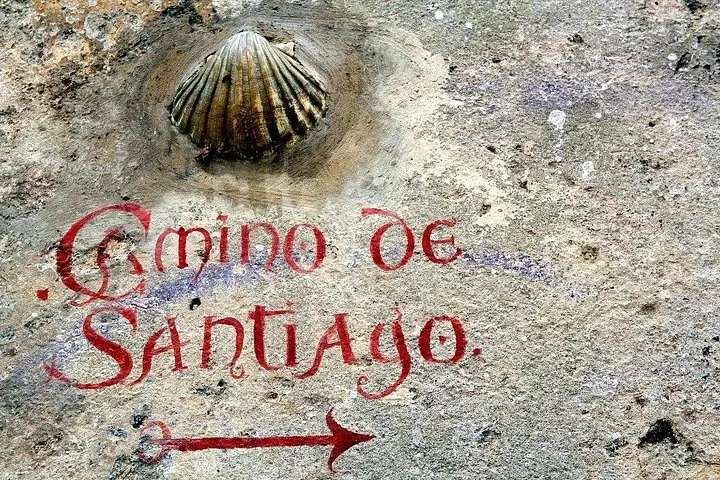
This stretch of the Camino Francés is concise but rich: medieval bridges at Portomarín, Romanesque churches in Palas de Rei, and the baroque arrival at Santiago de Compostela. Geologically the landscape is low granite hills carved by rivers; the soil, stony and well drained, supports eucalyptus and oak. Culturally it's a lived pilgrimage—pilgrim shells, stamped credentials, and albergues where conversation flows easily after a long day. The route's popularity traces back centuries; walkers for religious, spiritual or personal reasons have kept these ways maintained and signed.
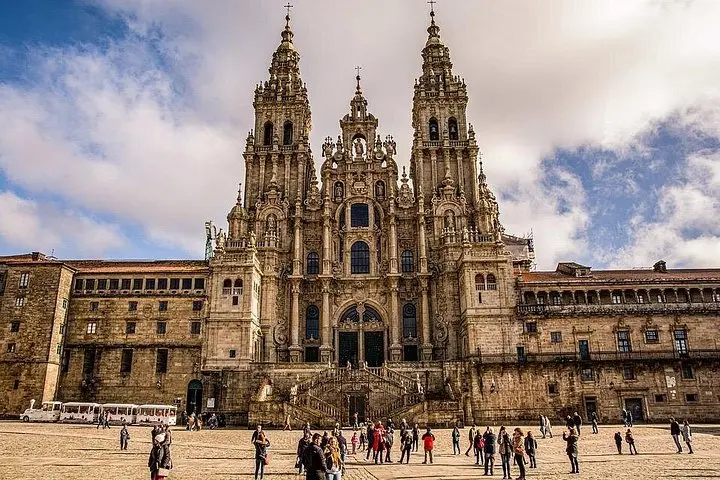
Practically: the program covers six nights of lodging, breakfast most mornings, luggage transfer and a pilgrim’s credential—so your day is pure walking. Daily stages range roughly 19–29 km over rolling terrain with regular waymarking; expect 4–8 hours of walking per day depending on pace. Footwear should be broken in, hydration is essential, and plan for variable weather—light rain can sharply change footing on cobbles. Start early to avoid midday heat, pace your climbs, and use the luggage transfer to protect sore feet. The destination—the Obradoiro square—rewards persistence: a crowd of tired, satisfied walkers under Santiago’s cathedral façade.
The common itinerary covers roughly 110–115 km split over 5 walking days (plus arrival/departure days) depending on exact paths taken.
Yes—this program includes daily transportation of luggage so you only carry a daypack while walking.
Yes—the Pilgrim’s Credential is provided; it records your stamps and is required if you intend to receive the Compostela certificate in Santiago.
Moderate fitness is needed: expect consecutive days of 19–29 km on mixed terrain. Training with multi-hour hikes and carrying a daypack is recommended.
Tour Travel & More operates guided outdoor trips and adventures with an emphasis on safety, stewardship, and memorable experiences.
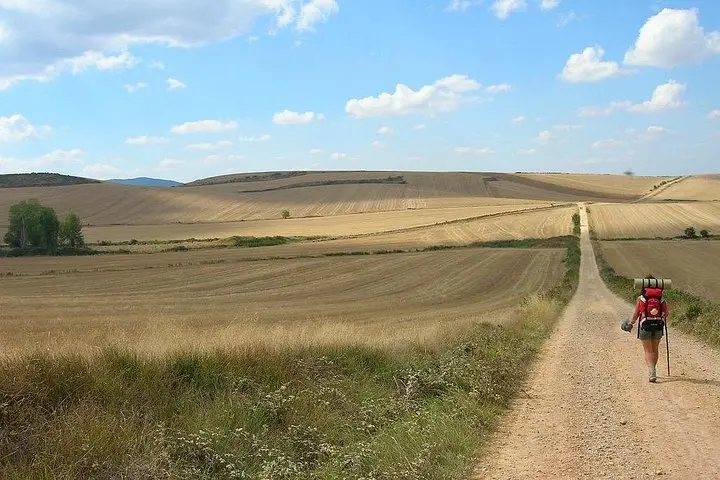
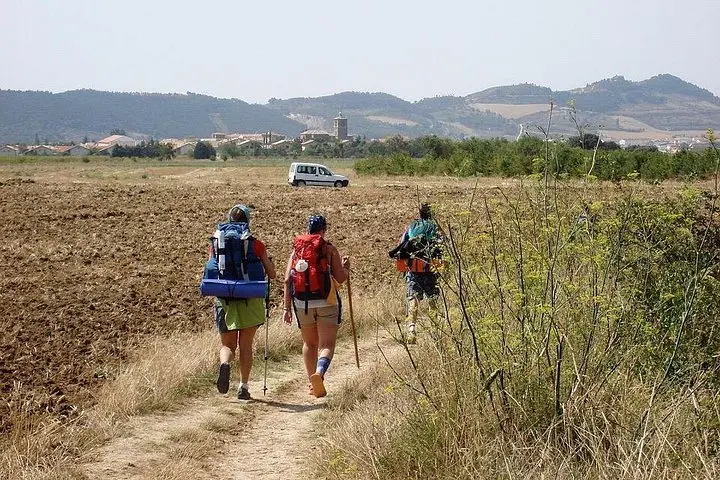
You step onto the packed-earth path outside Sarria with a small pack and a stamped credential; the town recedes and a ribbon of stone and dirt threads through chestnut groves, farm fields and villages where laundry snaps in the wind. The route keeps you moving—short climbs out of river valleys, cobbled village streets that test your ankles, and the occasional vista that opens onto tiled roofs and church towers pointing the way.
You step onto the packed-earth path outside Sarria with a small pack and a stamped credential; the town recedes and a ribbon of stone and dirt threads through chestnut groves, farm fields and villages where laundry snaps in the wind. The route keeps you moving—short climbs out of river valleys, cobbled village streets that test your ankles, and the occasional vista that opens onto tiled roofs and church towers pointing the way.
This stretch of the Camino Francés is concise but rich: medieval bridges at Portomarín, Romanesque churches in Palas de Rei, and the baroque arrival at Santiago de Compostela. Geologically the landscape is low granite hills carved by rivers; the soil, stony and well drained, supports eucalyptus and oak. Culturally it's a lived pilgrimage—pilgrim shells, stamped credentials, and albergues where conversation flows easily after a long day. The route's popularity traces back centuries; walkers for religious, spiritual or personal reasons have kept these ways maintained and signed.
Practically: the program covers six nights of lodging, breakfast most mornings, luggage transfer and a pilgrim’s credential—so your day is pure walking. Daily stages range roughly 19–29 km over rolling terrain with regular waymarking; expect 4–8 hours of walking per day depending on pace. Footwear should be broken in, hydration is essential, and plan for variable weather—light rain can sharply change footing on cobbles. Start early to avoid midday heat, pace your climbs, and use the luggage transfer to protect sore feet. The destination—the Obradoiro square—rewards persistence: a crowd of tired, satisfied walkers under Santiago’s cathedral façade.