THE ADVENTURE COLLECTIVE® · Independent discovery and booking for outdoor travel

Wander the Latin Quarter with a guide and taste Parisian pastry traditions from Pierre Hermé to neighborhood boulangeries. This 2¾–3 hour walk pairs history and technique with buttery croissants, éclairs, macarons, and Breton crepes—ending before the Panthéon.
Wander the Latin Quarter with a guide and taste Parisian pastry traditions from Pierre Hermé to neighborhood boulangeries. This 2¾–3 hour walk pairs history and technique with buttery croissants, éclairs, macarons, and Breton crepes—ending before the Panthéon.
You step off Boulevard Saint‑Germain into a narrow street where the scent of butter and caramel threads between old stone facades. The guide points out a small window where a baker slides a tray of croissants into the light; the group leans in, forks at the ready, as Paris wakes through pastries.
Verified experiences and guided adventures in the surrounding area.
Operated by Echoes of Cultures · Paris, Île-de-France
You step off Boulevard Saint‑Germain into a narrow street where the scent of butter and caramel threads between old stone facades. The guide points out a small window where a baker slides a tray of croissants into the light; the group leans in, forks at the ready, as Paris wakes through pastries.
This walk threads through the Latin Quarter, an area shaped by medieval streets, the Sorbonne’s centuries of scholarship, and the civic drama centered on the Panthéon. Geologically, you’re on Paris’s limestone plateau—the same stone used in the façades around you—its pale surfaces reflecting morning light and keeping cellars cool for pastry storage. Culturally, the Quarter balances student energy, historic bookshops, and centuries-old boulangeries where recipes are handed down as carefully as manuscripts.
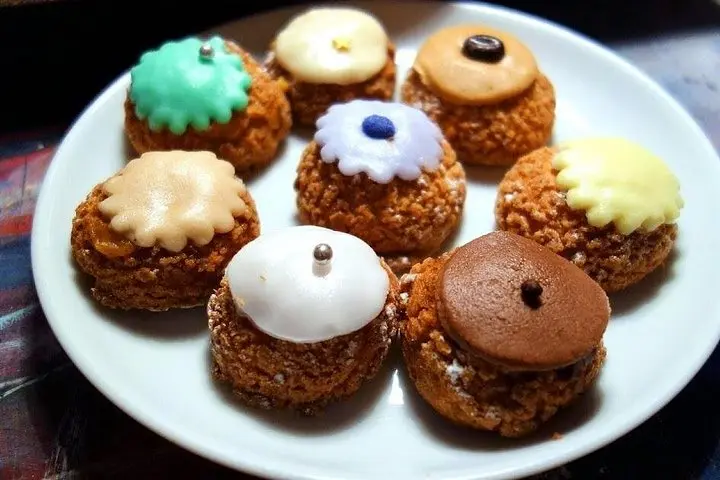
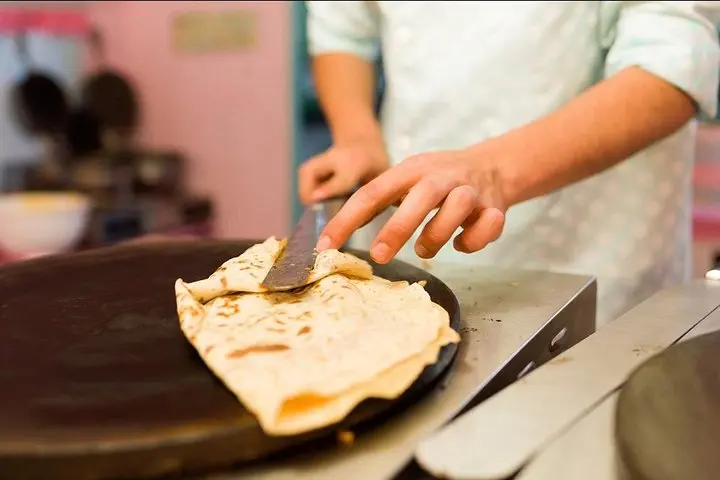
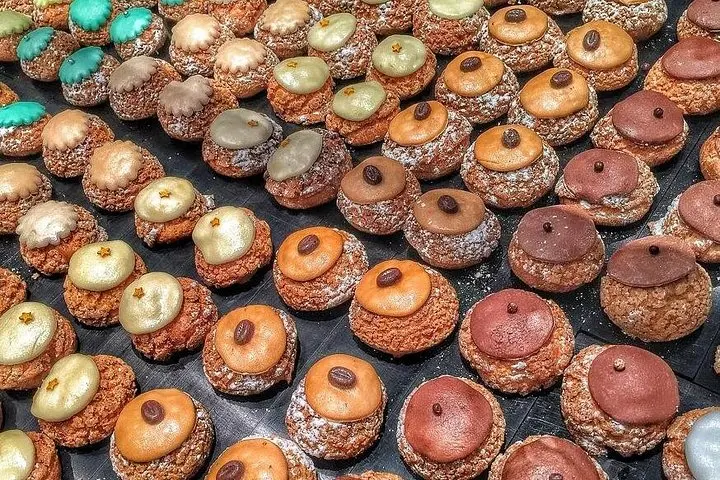
The tour visits artisan landmarks: Pierre Hermé’s macarons, Éric Kayser’s hearth‑baked loaves, Odette’s cream puffs, and Breton crepes on Rue Soufflot, finishing with a view of the Panthéon. Tastes include buttery croissants, choux pastries, éclairs, macarons, and seasonal specialties—great for comparing techniques: laminated dough, choux pastry, and meringue construction.
Practical guidance: wear comfortable walking shoes; bring a small water bottle and a bag for wrappers to minimize waste. Plan this in the morning when ovens are hot and lines shorter; alert the guide to allergies in advance. Expect 2¾–3 hours of easy urban walking with multiple tasting stops and opportunities to buy whole pastries to take away. The route is compact and largely flat, offering both culinary insight and the historical sweep of Parisian life.
Yes—sample portions at each stop are included (croissants, macarons, choux, crepes, éclairs); larger items can be purchased separately.
Families are welcome but note the pace includes walking and standing; children with dietary restrictions should be noted at booking.
The route uses narrow sidewalks and some steps; contact the operator in advance to discuss accessibility options and possible alternative stops.
Tipping is customary for good service in Paris; a modest tip (5–10% or a few euros per person) is appreciated but not required.
Echoes of Cultures operates guided outdoor trips and adventures with an emphasis on safety, stewardship, and memorable experiences.
You step off Boulevard Saint‑Germain into a narrow street where the scent of butter and caramel threads between old stone facades. The guide points out a small window where a baker slides a tray of croissants into the light; the group leans in, forks at the ready, as Paris wakes through pastries.
You step off Boulevard Saint‑Germain into a narrow street where the scent of butter and caramel threads between old stone facades. The guide points out a small window where a baker slides a tray of croissants into the light; the group leans in, forks at the ready, as Paris wakes through pastries.
This walk threads through the Latin Quarter, an area shaped by medieval streets, the Sorbonne’s centuries of scholarship, and the civic drama centered on the Panthéon. Geologically, you’re on Paris’s limestone plateau—the same stone used in the façades around you—its pale surfaces reflecting morning light and keeping cellars cool for pastry storage. Culturally, the Quarter balances student energy, historic bookshops, and centuries-old boulangeries where recipes are handed down as carefully as manuscripts.
The tour visits artisan landmarks: Pierre Hermé’s macarons, Éric Kayser’s hearth‑baked loaves, Odette’s cream puffs, and Breton crepes on Rue Soufflot, finishing with a view of the Panthéon. Tastes include buttery croissants, choux pastries, éclairs, macarons, and seasonal specialties—great for comparing techniques: laminated dough, choux pastry, and meringue construction.
Practical guidance: wear comfortable walking shoes; bring a small water bottle and a bag for wrappers to minimize waste. Plan this in the morning when ovens are hot and lines shorter; alert the guide to allergies in advance. Expect 2¾–3 hours of easy urban walking with multiple tasting stops and opportunities to buy whole pastries to take away. The route is compact and largely flat, offering both culinary insight and the historical sweep of Parisian life.