THE ADVENTURE COLLECTIVE® · Independent discovery and booking for outdoor travel

Walk through the Maison Principale and original 1840s slave cabins at Laura Plantation, where guided tours focus on four generations of Creole families and the enslaved people whose stories were preserved in memoirs. Practical for day-trippers from New Orleans, the 70-minute tour balances archival detail with the landscape that shaped the sugar economy.
Walk through the Maison Principale and original 1840s slave cabins at Laura Plantation, where guided tours focus on four generations of Creole families and the enslaved people whose stories were preserved in memoirs. Practical for day-trippers from New Orleans, the 70-minute tour balances archival detail with the landscape that shaped the sugar economy.
You step off River Road and the air immediately changes—humid, thick with sugarcane-sweet undertones and the distant river that keeps the lowland alive. The 1805 Maison Principale faces a flat sweep of lawn; shutters click in the breeze as guides lead small groups through rooms hung with family portraits and objects that map four generations of Creole life.
Verified experiences and guided adventures in the surrounding area.
Operated by Laura Plantation · Vacherie, Louisiana
You step off River Road and the air immediately changes—humid, thick with sugarcane-sweet undertones and the distant river that keeps the lowland alive. The 1805 Maison Principale faces a flat sweep of lawn; shutters click in the breeze as guides lead small groups through rooms hung with family portraits and objects that map four generations of Creole life.
Laura Plantation sits on land formed by the slow floodplain work of the Mississippi—alluvial soils that made sugar profitable and laborious. The tour centers on human stories: Creole families who owned and worked the house, and the enslaved people whose voices survive in memoirs and oral lore, including the Compair Lapin tales recorded in the plantation’s cabins. Guides interpret archives, architecture, and the landscape’s role in shaping daily life and the sugar economy.
Culturally, Laura is notable for foregrounding enslaved people’s narratives rather than sanitizing them; it’s an honest, sometimes uncomfortable look at Louisiana Creole society and its labor systems. Local insights include the practicalities of River Road travel and the cluster of neighboring plantations that make for a thoughtful day trip.
Practical guidance: tours run hourly between morning and mid-afternoon, last about 70 minutes, and require self-driving—ride-hail services are unreliable here. Wear comfortable, closed shoes for uneven grounds and bring water and sun protection. Expect some outdoor walking and limited accessibility on upper floors; arrive early to secure your spot on popular departures.
Yes—Laura Plantation offers tours in English and French on a set schedule; check times when booking as language-specific departures may be limited.
The ground floor of the main house is ADA accessible, but some cabins and upper floors have limited access—contact the site in advance for specific accommodations.
No—tickets do not include transportation. Visitors must drive themselves; ride-hail services may not reliably return from the rural plantation parking area.
Yes; the tour includes the 1840s cabins with interpretive information and first-person accounts, presented as part of the guided experience.
Laura Plantation operates guided outdoor trips and adventures with an emphasis on safety, stewardship, and memorable experiences.
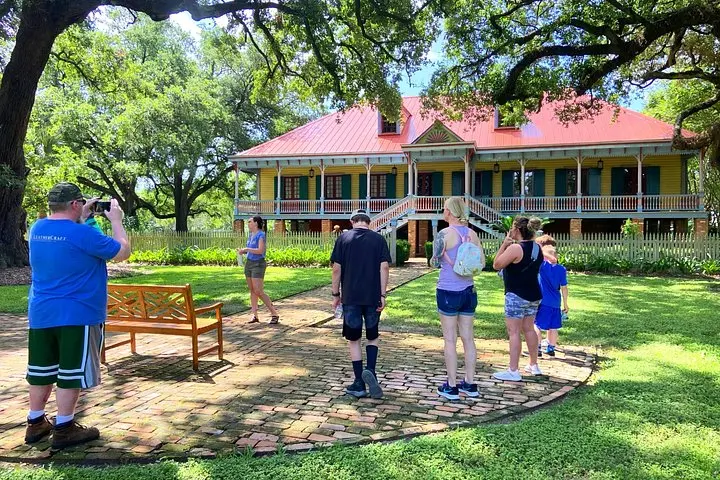
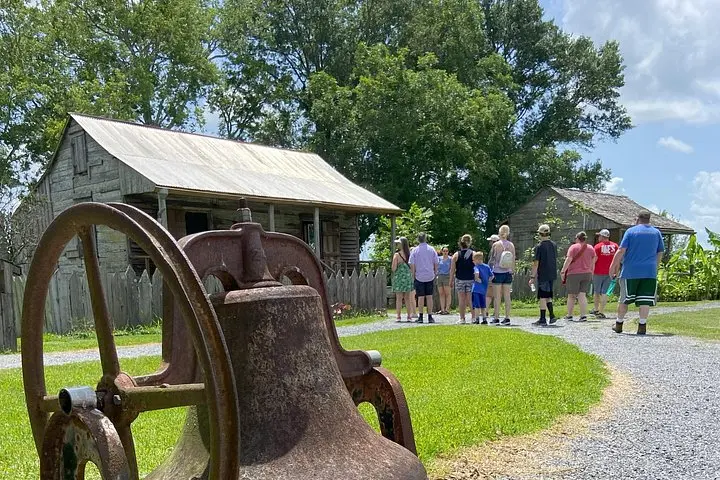
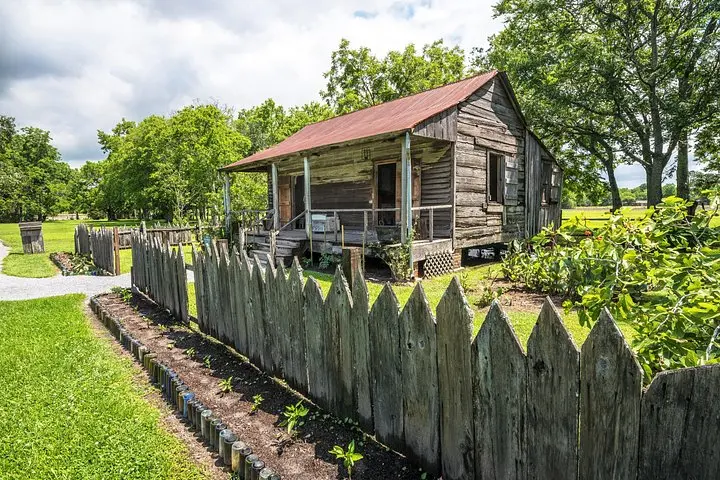
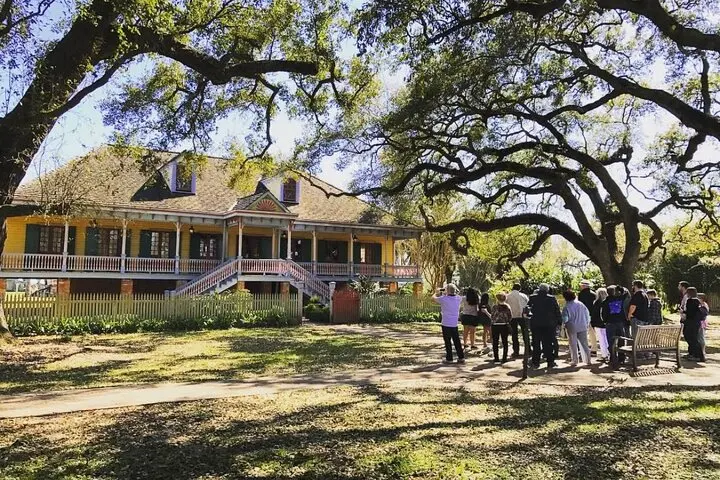
You step off River Road and the air immediately changes—humid, thick with sugarcane-sweet undertones and the distant river that keeps the lowland alive. The 1805 Maison Principale faces a flat sweep of lawn; shutters click in the breeze as guides lead small groups through rooms hung with family portraits and objects that map four generations of Creole life.
You step off River Road and the air immediately changes—humid, thick with sugarcane-sweet undertones and the distant river that keeps the lowland alive. The 1805 Maison Principale faces a flat sweep of lawn; shutters click in the breeze as guides lead small groups through rooms hung with family portraits and objects that map four generations of Creole life.
Laura Plantation sits on land formed by the slow floodplain work of the Mississippi—alluvial soils that made sugar profitable and laborious. The tour centers on human stories: Creole families who owned and worked the house, and the enslaved people whose voices survive in memoirs and oral lore, including the Compair Lapin tales recorded in the plantation’s cabins. Guides interpret archives, architecture, and the landscape’s role in shaping daily life and the sugar economy.
Culturally, Laura is notable for foregrounding enslaved people’s narratives rather than sanitizing them; it’s an honest, sometimes uncomfortable look at Louisiana Creole society and its labor systems. Local insights include the practicalities of River Road travel and the cluster of neighboring plantations that make for a thoughtful day trip.
Practical guidance: tours run hourly between morning and mid-afternoon, last about 70 minutes, and require self-driving—ride-hail services are unreliable here. Wear comfortable, closed shoes for uneven grounds and bring water and sun protection. Expect some outdoor walking and limited accessibility on upper floors; arrive early to secure your spot on popular departures.