THE ADVENTURE COLLECTIVE® · Independent discovery and booking for outdoor travel

A private small-group tour from Le Havre that follows the Canadian sector of the D‑Day landings: Juno Beach, the Juno Beach Centre and the Beny-sur-Mer Canadian War Cemetery. Expect coastal walks, museum time and guided historical context, with guaranteed return to the cruise port.
A private small-group tour from Le Havre that follows the Canadian sector of the D‑Day landings: Juno Beach, the Juno Beach Centre and the Beny-sur-Mer Canadian War Cemetery. Expect coastal walks, museum time and guided historical context, with guaranteed return to the cruise port.
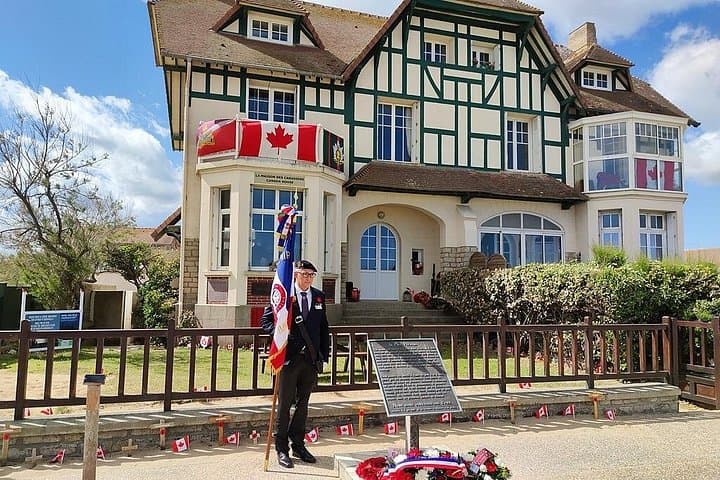
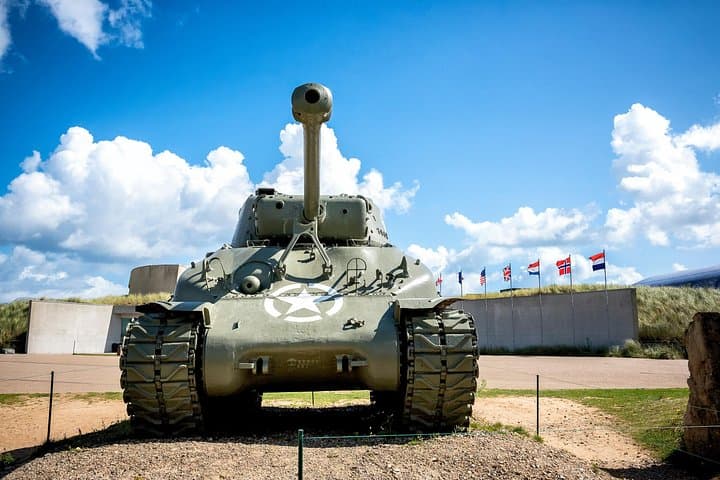
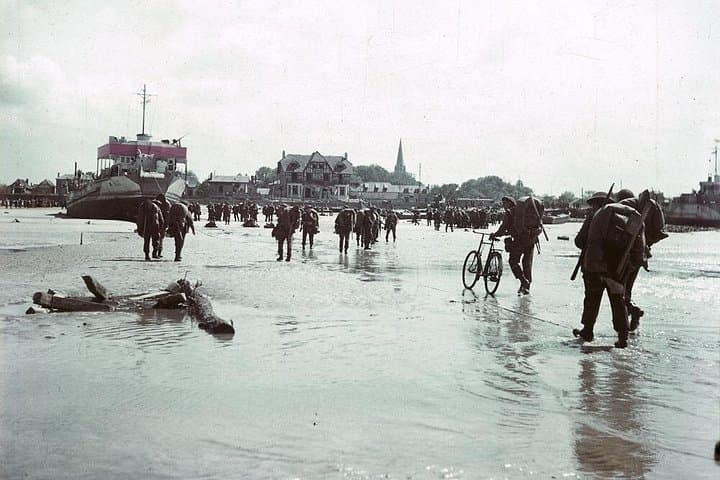
The bus eases out of Le Havre before dawn, headlights cutting through a low Val-de-Saâne mist. By the time you crest the coastal road the North Sea lays flat and insistent, its breath pushing at the dunes. At Juno Beach the wind seems to remember the landings—sand, concrete bunkers and a flag that still speaks of a long day in June 1944.
Verified experiences and guided adventures in the surrounding area.
Operated by Normandy Private Tours · Le Havre, Normandy
The bus eases out of Le Havre before dawn, headlights cutting through a low Val-de-Saâne mist. By the time you crest the coastal road the North Sea lays flat and insistent, its breath pushing at the dunes. At Juno Beach the wind seems to remember the landings—sand, concrete bunkers and a flag that still speaks of a long day in June 1944.
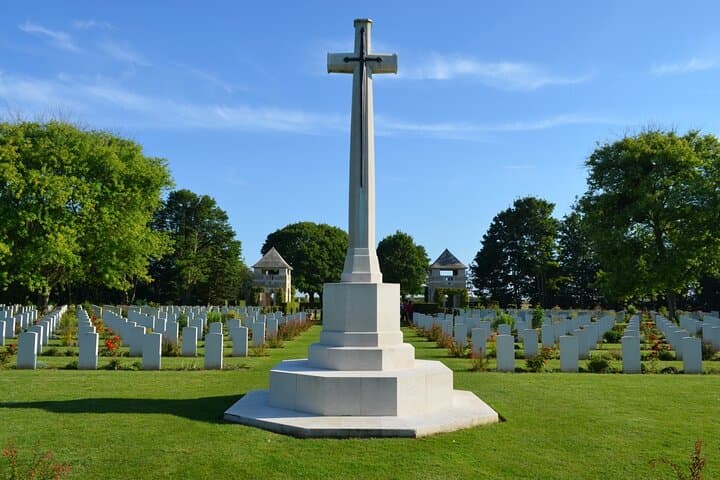
This one-day private tour threads together the Canadian story of D‑Day: the broad sweep of Juno Beach where Canadian regiments hit the shoreline, the Juno Beach Centre’s galleries of photos and personal accounts, and the quiet rows of headstones at the Beny-sur-Mer Canadian War Cemetery inland. Geologically the coast is low-lying chalk and sand dunes, shaped by tides that once hid and now reveal wartime obstacles. Culturally, small fishing villages nearby still keep wartime memory active through memorials and annual ceremonies.
Expect a mix of short walks on uneven sand and paved paths, museum time and respectful pauses at cemeteries. Guides place events in context—troop movements, logistics, and local civilian experience—so the day becomes more than sites on a map.
Practical edge: bring windproof layers, sturdy shoes for sand and concrete, a refillable water bottle and your cruise ID or passport. Timing matters—mornings are quieter at Juno and light is best for photography; the tour returns to Le Havre in time for ship departures. The landscape will challenge you not with steep climbs but with history that asks you to listen and look closely.
The tour lasts about 9 hours (540 minutes) and the operator guarantees return to Le Havre cruise terminal in time for departures.
Admission is not specified as included—confirm at booking; many guides allow time for museum entry but tickets may be paid on-site.
The tour involves short walks on sand and uneven surfaces and may not be ideal for travelers with serious mobility or back issues; stroller access at some sites varies.
Yes—pickups are arranged from the Le Havre cruise terminal and many local hotels; confirm pickup point and time when booking.
Normandy Private Tours operates guided outdoor trips and adventures with an emphasis on safety, stewardship, and memorable experiences.
The bus eases out of Le Havre before dawn, headlights cutting through a low Val-de-Saâne mist. By the time you crest the coastal road the North Sea lays flat and insistent, its breath pushing at the dunes. At Juno Beach the wind seems to remember the landings—sand, concrete bunkers and a flag that still speaks of a long day in June 1944.
The bus eases out of Le Havre before dawn, headlights cutting through a low Val-de-Saâne mist. By the time you crest the coastal road the North Sea lays flat and insistent, its breath pushing at the dunes. At Juno Beach the wind seems to remember the landings—sand, concrete bunkers and a flag that still speaks of a long day in June 1944.
This one-day private tour threads together the Canadian story of D‑Day: the broad sweep of Juno Beach where Canadian regiments hit the shoreline, the Juno Beach Centre’s galleries of photos and personal accounts, and the quiet rows of headstones at the Beny-sur-Mer Canadian War Cemetery inland. Geologically the coast is low-lying chalk and sand dunes, shaped by tides that once hid and now reveal wartime obstacles. Culturally, small fishing villages nearby still keep wartime memory active through memorials and annual ceremonies.
Expect a mix of short walks on uneven sand and paved paths, museum time and respectful pauses at cemeteries. Guides place events in context—troop movements, logistics, and local civilian experience—so the day becomes more than sites on a map.
Practical edge: bring windproof layers, sturdy shoes for sand and concrete, a refillable water bottle and your cruise ID or passport. Timing matters—mornings are quieter at Juno and light is best for photography; the tour returns to Le Havre in time for ship departures. The landscape will challenge you not with steep climbs but with history that asks you to listen and look closely.