THE ADVENTURE COLLECTIVE® · Independent discovery and booking for outdoor travel

Taste ten distinct snake dishes and visit a working snake farm just outside Hanoi on a 3–4 hour private tour. Expect close encounters with handlers, bold flavors like snake wine, and an unvarnished look at a village culinary tradition.
Taste ten distinct snake dishes and visit a working snake farm just outside Hanoi on a 3–4 hour private tour. Expect close encounters with handlers, bold flavors like snake wine, and an unvarnished look at a village culinary tradition.
You step off the minivan into a lane lined with low brick houses and the sharp scent of lemongrass and grilled meat — Le Mat announces itself not with fanfare but with flavor. The village, roughly 10 km east of Hanoi’s Old Quarter, has made an unapologetic specialty of snakes: prepared whole, diced, fried, stewed and steeped into wine. A local guide leads you through a working snake farm where handlers demonstrate how the animals are kept and processed for food and traditional medicine.
Verified experiences and guided adventures in the surrounding area.
Operated by Hanoi Travel Bug · Hanoi, Hanoi Municipality
You step off the minivan into a lane lined with low brick houses and the sharp scent of lemongrass and grilled meat — Le Mat announces itself not with fanfare but with flavor. The village, roughly 10 km east of Hanoi’s Old Quarter, has made an unapologetic specialty of snakes: prepared whole, diced, fried, stewed and steeped into wine. A local guide leads you through a working snake farm where handlers demonstrate how the animals are kept and processed for food and traditional medicine.
Le Mat’s snake cuisine traces back generations of rural medicine and market trade, when families raised snakes for income and for ingredients believed to have restorative properties. Geologically, the flat alluvial plains around Hanoi made small-scale livestock and aquaculture practical; culturally, the dishes reflect regional herbs, fish sauce, and spicy profiles familiar to northern Vietnamese cooking.
Expect a tasting sequence of ten distinct dishes — textures move from crisp spring rolls to gelatinous broths — and a chance to try snake wine and the infamous snake-heart shot. The experience is sensory and direct: strong flavors, close contact with animals, and communal seating in family-run eateries.
Practically, tours run about 3–4 hours with transport from central Hanoi. Wear closed shoes for farm pathways, avoid heavy perfumes, and disclose any dietary or allergy restrictions in advance. If you’re curious about culinary traditions and comfortable with adventurous protein, this is a rare, educational window into a living village craft; if you’re sensitive to animal handling or strong flavors, consider observing rather than tasting.
When prepared at licensed kitchens and farms, snake meat is cooked thoroughly; follow host guidance and avoid raw preparations if you have health concerns.
Yes — most tours accommodate guests who prefer not to sample specific items; notify the operator when booking or at the start of the tour.
Children can join, but consider their tolerance for strong flavors and live animals; infants may ride in strollers as noted by operators.
Private transfers from central Hanoi are typically included on this tour; confirm pickup details when booking.
Hanoi Travel Bug operates guided outdoor trips and adventures with an emphasis on safety, stewardship, and memorable experiences.
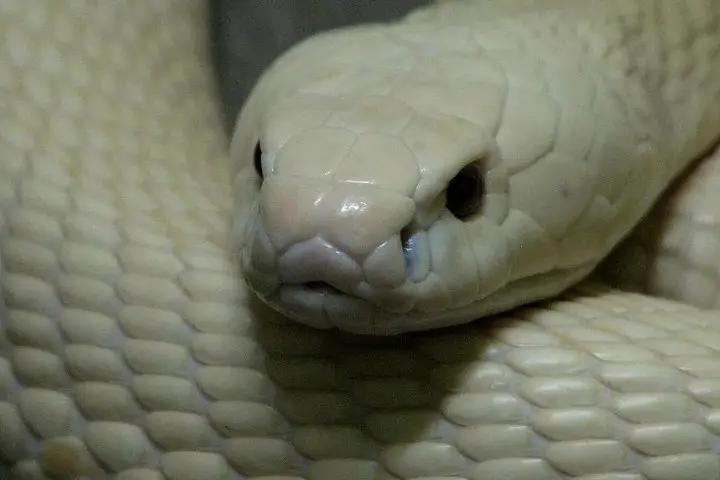
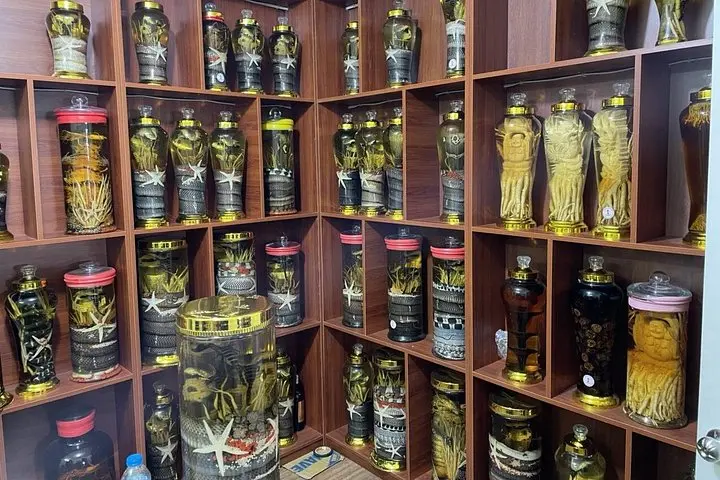
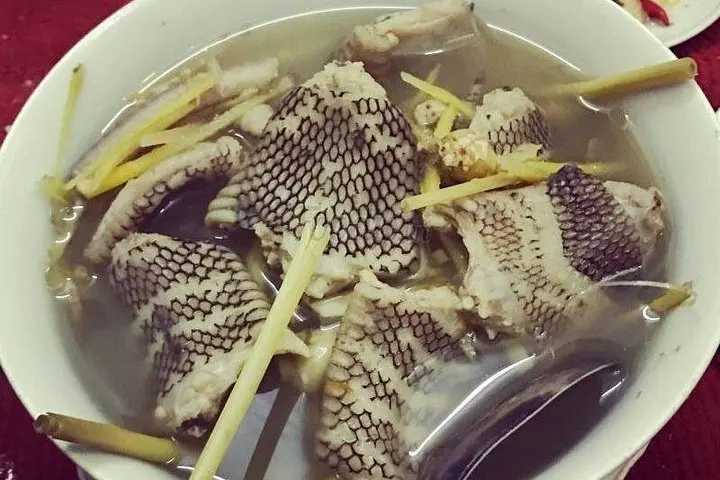
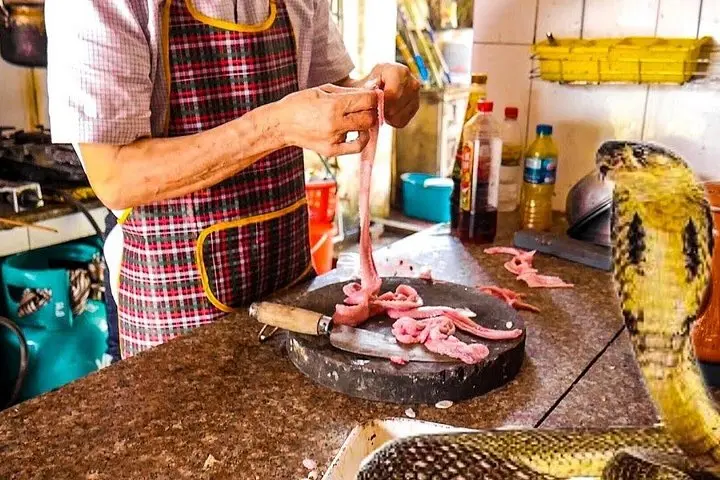
You step off the minivan into a lane lined with low brick houses and the sharp scent of lemongrass and grilled meat — Le Mat announces itself not with fanfare but with flavor. The village, roughly 10 km east of Hanoi’s Old Quarter, has made an unapologetic specialty of snakes: prepared whole, diced, fried, stewed and steeped into wine. A local guide leads you through a working snake farm where handlers demonstrate how the animals are kept and processed for food and traditional medicine.
You step off the minivan into a lane lined with low brick houses and the sharp scent of lemongrass and grilled meat — Le Mat announces itself not with fanfare but with flavor. The village, roughly 10 km east of Hanoi’s Old Quarter, has made an unapologetic specialty of snakes: prepared whole, diced, fried, stewed and steeped into wine. A local guide leads you through a working snake farm where handlers demonstrate how the animals are kept and processed for food and traditional medicine.
Le Mat’s snake cuisine traces back generations of rural medicine and market trade, when families raised snakes for income and for ingredients believed to have restorative properties. Geologically, the flat alluvial plains around Hanoi made small-scale livestock and aquaculture practical; culturally, the dishes reflect regional herbs, fish sauce, and spicy profiles familiar to northern Vietnamese cooking.
Expect a tasting sequence of ten distinct dishes — textures move from crisp spring rolls to gelatinous broths — and a chance to try snake wine and the infamous snake-heart shot. The experience is sensory and direct: strong flavors, close contact with animals, and communal seating in family-run eateries.
Practically, tours run about 3–4 hours with transport from central Hanoi. Wear closed shoes for farm pathways, avoid heavy perfumes, and disclose any dietary or allergy restrictions in advance. If you’re curious about culinary traditions and comfortable with adventurous protein, this is a rare, educational window into a living village craft; if you’re sensitive to animal handling or strong flavors, consider observing rather than tasting.