THE ADVENTURE COLLECTIVE® · Independent discovery and booking for outdoor travel

Climb Le Morne Brabant for dramatic lagoon panoramas and a moving lesson in Mauritian history. This guided 3–4 hour hike pairs light scrambling with cultural interpretation on a UNESCO-listed peak.
Climb Le Morne Brabant for dramatic lagoon panoramas and a moving lesson in Mauritian history. This guided 3–4 hour hike pairs light scrambling with cultural interpretation on a UNESCO-listed peak.
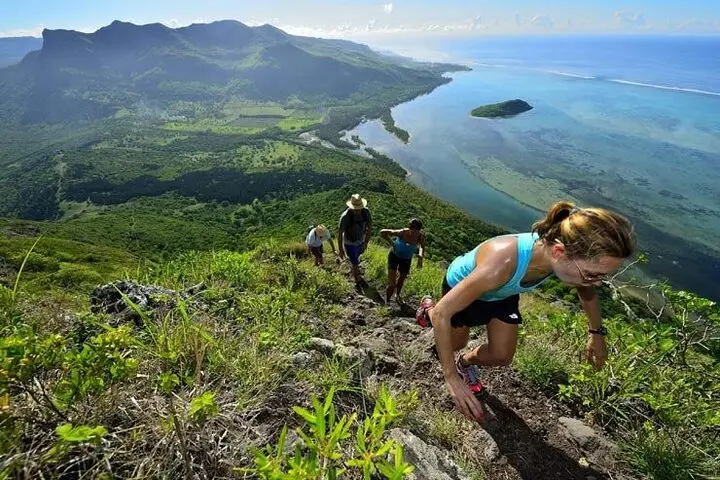
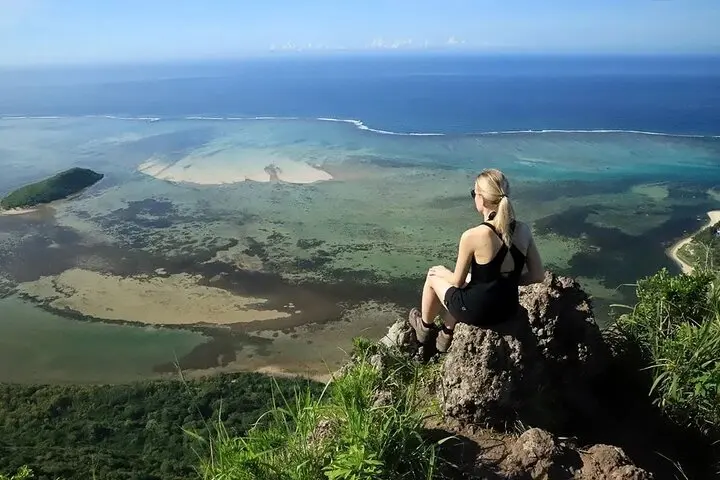
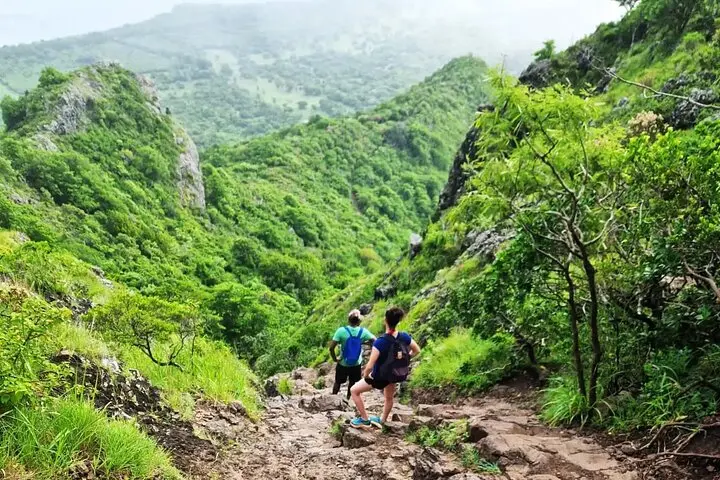
A low-slung massif rises from the turquoise of Mauritius’ southwestern coast and the trailhead begins in coastal scrub and pandanus where the ocean seems to dare you to move inland. You meet your guide at the base; a narrow path weaves upward through chest-high vegetation, then tightens into rocky steps. Sea breezes push against your face as the first viewpoint opens onto the pale ribbon of lagoon and the dark silhouette of Ile aux Bénitiers.
Verified experiences and guided adventures in the surrounding area.
Operated by Mauritius Hikes · Le Morne, Black River
A low-slung massif rises from the turquoise of Mauritius’ southwestern coast and the trailhead begins in coastal scrub and pandanus where the ocean seems to dare you to move inland. You meet your guide at the base; a narrow path weaves upward through chest-high vegetation, then tightens into rocky steps. Sea breezes push against your face as the first viewpoint opens onto the pale ribbon of lagoon and the dark silhouette of Ile aux Bénitiers.
Le Morne Brabant is both a geological remnant of basaltic volcanic flows and a cultural landmark. The 556m peak formed from hardened lava and later resisted coastal erosion, creating a steep, dramatic headland. In the 18th and 19th centuries escaped enslaved people used its caverns and cliffs as refuge; the mountain is now a UNESCO World Heritage site honoring that history.
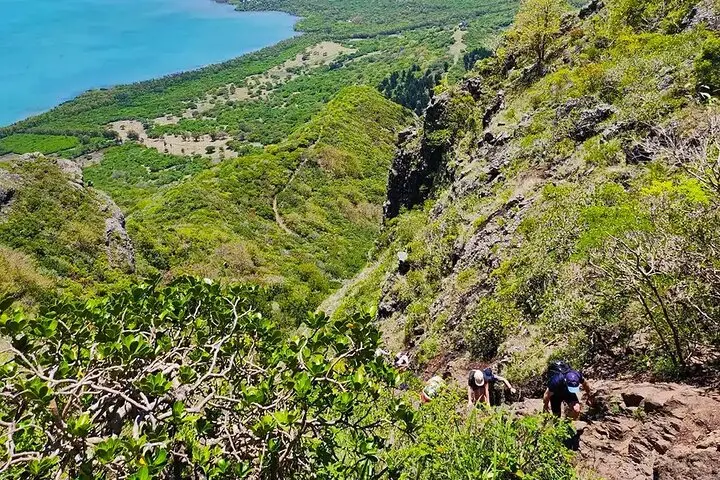
Along the way guides point out endemic plants and seabird colonies, and pause at small memorials that connect the climb to Mauritius’ past. The ascent includes short sections of light scrambling and exposed rock where care and steady footing matter; the summit rewards you with panoramic views of the lagoon mosaic, the black river plains and distant ranges.
Practical guidance: plan for an early start to avoid midday heat and unpredictable tropical showers, wear grippy hiking shoes, carry at least 1.5–2 liters of water, and bring sun protection. Trails are protected; stick to the route and follow your guide to minimize erosion and respect the memorial sites. Expect a steady 3–4 hour outing that pairs physical effort with deep context—history and landscape moving in step.
The guided outing runs about 3–4 hours round-trip with steady uphill walking and short sections of light scrambling; it’s rated moderate.
Fit children and active older adults can usually participate, but the trail includes exposed rock and steps—consult the operator for private adjustments.
You can see nearby islets such as Ile aux Bénitiers and wide lagoon patterns; visibility of more distant islands depends on weather and haze.
Yes—this is a protected UNESCO site; visitors must follow marked trails, avoid disturbing memorial areas, and follow guide instructions.
Mauritius Hikes operates guided outdoor trips and adventures with an emphasis on safety, stewardship, and memorable experiences.
A low-slung massif rises from the turquoise of Mauritius’ southwestern coast and the trailhead begins in coastal scrub and pandanus where the ocean seems to dare you to move inland. You meet your guide at the base; a narrow path weaves upward through chest-high vegetation, then tightens into rocky steps. Sea breezes push against your face as the first viewpoint opens onto the pale ribbon of lagoon and the dark silhouette of Ile aux Bénitiers.
A low-slung massif rises from the turquoise of Mauritius’ southwestern coast and the trailhead begins in coastal scrub and pandanus where the ocean seems to dare you to move inland. You meet your guide at the base; a narrow path weaves upward through chest-high vegetation, then tightens into rocky steps. Sea breezes push against your face as the first viewpoint opens onto the pale ribbon of lagoon and the dark silhouette of Ile aux Bénitiers.
Le Morne Brabant is both a geological remnant of basaltic volcanic flows and a cultural landmark. The 556m peak formed from hardened lava and later resisted coastal erosion, creating a steep, dramatic headland. In the 18th and 19th centuries escaped enslaved people used its caverns and cliffs as refuge; the mountain is now a UNESCO World Heritage site honoring that history.
Along the way guides point out endemic plants and seabird colonies, and pause at small memorials that connect the climb to Mauritius’ past. The ascent includes short sections of light scrambling and exposed rock where care and steady footing matter; the summit rewards you with panoramic views of the lagoon mosaic, the black river plains and distant ranges.
Practical guidance: plan for an early start to avoid midday heat and unpredictable tropical showers, wear grippy hiking shoes, carry at least 1.5–2 liters of water, and bring sun protection. Trails are protected; stick to the route and follow your guide to minimize erosion and respect the memorial sites. Expect a steady 3–4 hour outing that pairs physical effort with deep context—history and landscape moving in step.