THE ADVENTURE COLLECTIVE® · Independent discovery and booking for outdoor travel

A challenging 4-hour guided hike up Le Morne Brabant rewards fit hikers with sweeping coastal panoramas and a powerful cultural story — a UNESCO-listed site that once sheltered escaped enslaved people. Read on for terrain, timing, and practical tips.
A challenging 4-hour guided hike up Le Morne Brabant rewards fit hikers with sweeping coastal panoramas and a powerful cultural story — a UNESCO-listed site that once sheltered escaped enslaved people. Read on for terrain, timing, and practical tips.
You step off the sandy shoulder of Le Morne Peninsula and the trail immediately changes character: sun-exposed rock giving way to a steep path that curls up against the peak. Wind from the lagoon pushes across your face while the mountain seems to hold its own weather — dry, wind-scoured ridges above pockets of dense, green growth.
Verified experiences and guided adventures in the surrounding area.
Operated by Thomson Adventures · Le Morne, Black River District
You step off the sandy shoulder of Le Morne Peninsula and the trail immediately changes character: sun-exposed rock giving way to a steep path that curls up against the peak. Wind from the lagoon pushes across your face while the mountain seems to hold its own weather — dry, wind-scoured ridges above pockets of dense, green growth.
Le Morne Brabant is a basaltic outcropping formed by volcanic activity and coastal erosion; its sheer western cliffs face the Indian Ocean. The summit plateau is a living memorial — the mountain became a refuge for escaped enslaved people in the 18th and 19th centuries and was inscribed as a UNESCO World Heritage Site for its cultural significance. Local Creole communities still tell stories of those who sought freedom in its caves and hollows.
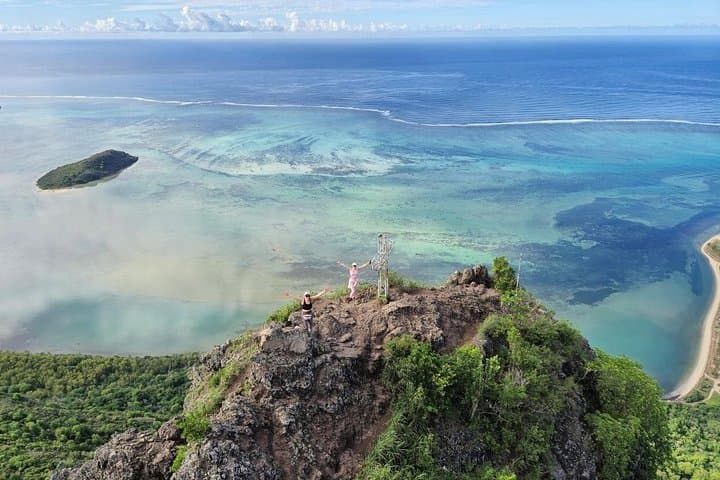
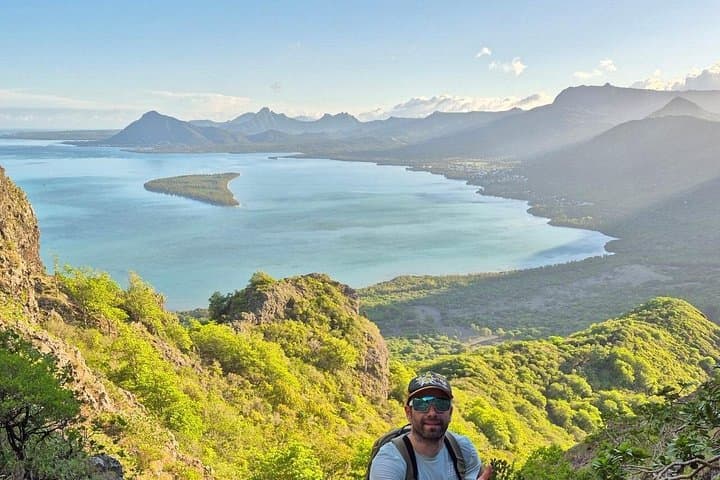
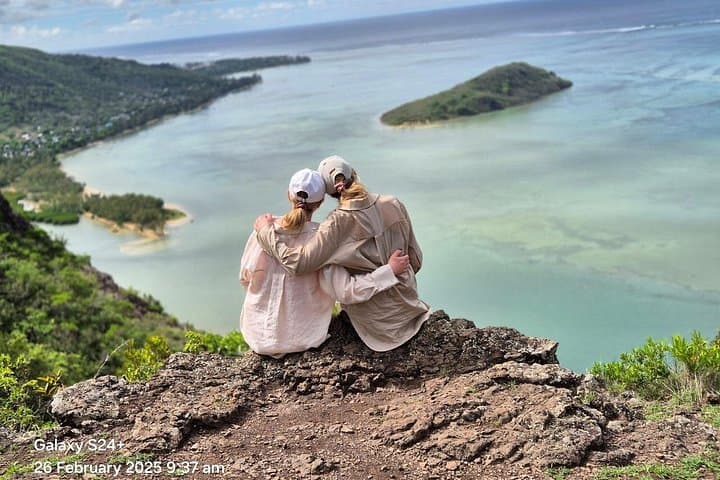
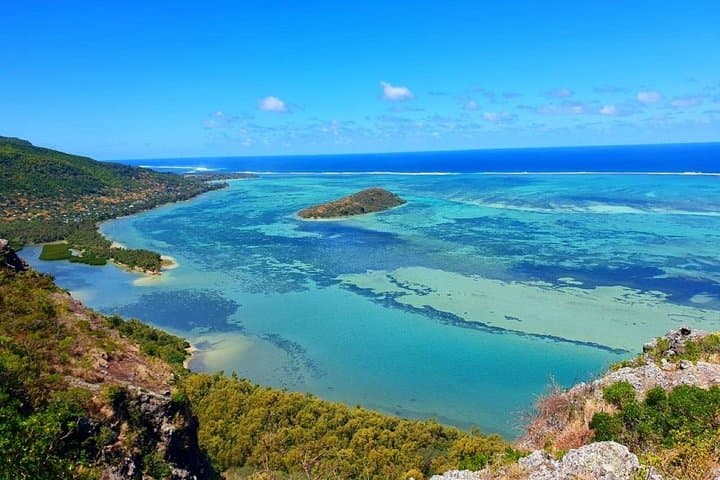
Expect a sustained, physical ascent with rocky footing, occasional short scrambles, and exposed sections where footing matters. Wildlife is subtle — endemic plants, geckos, and seabirds are common. The reward is clear: sweeping 360° views of turquoise lagoons, white beaches, and the long curve of the island’s west coast.
Practical guidance: start early to avoid heat and late-afternoon winds, bring at least 2 liters of water, and wear grippy hiking shoes. Guided trips add local history and improve safety on the trickier sections; the route takes roughly 3.5–4 hours round-trip for fit hikers. Leave no trace: the site is protected and fragile, so stick to paths and carry out all trash.
The guided round-trip is typically 3.5–4 hours with several hundred meters of sustained ascent on rocky, sometimes steep slopes.
No technical climbing gear is required, but there are exposed sections and short scrambles where steady footing and a head for heights help.
There is an entrance fee included with many guided tours; private visitors should check local park fees and opening rules before arrival.
This hike is not recommended for very young children, pregnant travelers, or those with serious spinal or cardiovascular conditions due to steep and exposed terrain.
Thomson Adventures operates guided outdoor trips and adventures with an emphasis on safety, stewardship, and memorable experiences.
You step off the sandy shoulder of Le Morne Peninsula and the trail immediately changes character: sun-exposed rock giving way to a steep path that curls up against the peak. Wind from the lagoon pushes across your face while the mountain seems to hold its own weather — dry, wind-scoured ridges above pockets of dense, green growth.
You step off the sandy shoulder of Le Morne Peninsula and the trail immediately changes character: sun-exposed rock giving way to a steep path that curls up against the peak. Wind from the lagoon pushes across your face while the mountain seems to hold its own weather — dry, wind-scoured ridges above pockets of dense, green growth.
Le Morne Brabant is a basaltic outcropping formed by volcanic activity and coastal erosion; its sheer western cliffs face the Indian Ocean. The summit plateau is a living memorial — the mountain became a refuge for escaped enslaved people in the 18th and 19th centuries and was inscribed as a UNESCO World Heritage Site for its cultural significance. Local Creole communities still tell stories of those who sought freedom in its caves and hollows.
Expect a sustained, physical ascent with rocky footing, occasional short scrambles, and exposed sections where footing matters. Wildlife is subtle — endemic plants, geckos, and seabirds are common. The reward is clear: sweeping 360° views of turquoise lagoons, white beaches, and the long curve of the island’s west coast.
Practical guidance: start early to avoid heat and late-afternoon winds, bring at least 2 liters of water, and wear grippy hiking shoes. Guided trips add local history and improve safety on the trickier sections; the route takes roughly 3.5–4 hours round-trip for fit hikers. Leave no trace: the site is protected and fragile, so stick to paths and carry out all trash.