THE ADVENTURE COLLECTIVE® · Independent discovery and booking for outdoor travel

Spend an hour learning basic flamenco steps and rhythms from a professional instructor in a small Seville studio, then choose to top the night off with an optional live show. Family-friendly and suitable for beginners, the workshop gives a compact, hands-on introduction to Andalusian culture.
Spend an hour learning basic flamenco steps and rhythms from a professional instructor in a small Seville studio, then choose to top the night off with an optional live show. Family-friendly and suitable for beginners, the workshop gives a compact, hands-on introduction to Andalusian culture.
The studio door opens to a warm room where palms, castanets and a guitar rhythm press you into motion. For an hour you stand shoulder-to-shoulder with other curious travelers or local families, learning basic zapateado (percussive footwork), palmas (hand-clapping) and the posture that gives flamenco its quiet force. The instructor calls patterns in Spanish and demonstrates a sequence you’ll repeat until the rhythm sticks.
Verified experiences and guided adventures in the surrounding area.
Operated by Not Just a Tourist · Seville, Andalusia
The studio door opens to a warm room where palms, castanets and a guitar rhythm press you into motion. For an hour you stand shoulder-to-shoulder with other curious travelers or local families, learning basic zapateado (percussive footwork), palmas (hand-clapping) and the posture that gives flamenco its quiet force. The instructor calls patterns in Spanish and demonstrates a sequence you’ll repeat until the rhythm sticks.
Flamenco grew in Andalusia from a blend of Roma, Moorish and Andalusian folk traditions; its pulses still echo the region's layered history. In Seville, the art is both performance and living conversation—markets, neighborhood bars and dance schools keep steps alive. The lesson typically takes place in a neighborhood studio off the tourist circuit, offering a glimpse of day-to-day Sevillian life before you opt for the higher-production evening show.
Practical details matter: classes run about 60 minutes, are suitable for all ages and mobility levels, and usually cap around ten people for hands-on attention. Expect to be on your feet, to learn heel-clicking patterns, and to practice simple choreography rather than master advanced technique.
Bring closed-toe shoes with a firmer sole, hydrate beforehand (Seville gets hot), and plan to arrive early—meeting points can change by email. If you book the optional show, book the earlier evening slot to combine your lesson energy with live musicians. This experience is as much about cultural context and communal rhythm as it is about steps—leave room to listen and to try again.
No—classes are designed for beginners and focus on basic steps, hand clapping and simple choreography.
The lesson is separate from the show; the optional high-quality flamenco performance can be booked in addition to the workshop.
Yes—workshops are family-friendly and stroller accessible, though infants may be more observers than participants.
Full refund is generally available if you cancel at least 24 hours before the scheduled time; check your booking confirmation for specifics.
Not Just a Tourist operates guided outdoor trips and adventures with an emphasis on safety, stewardship, and memorable experiences.
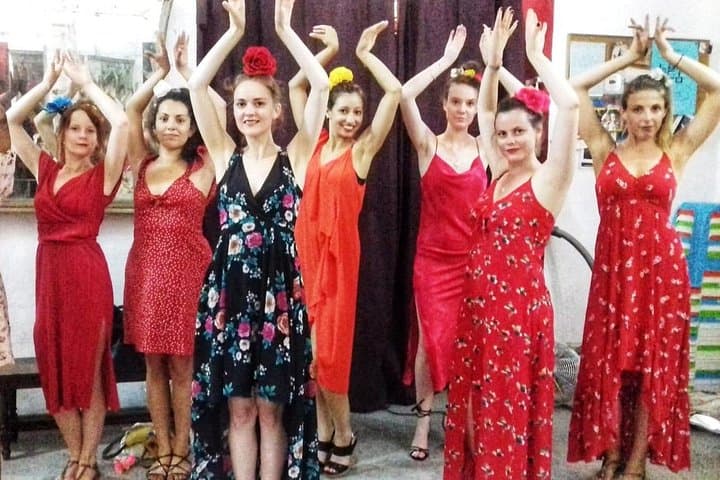

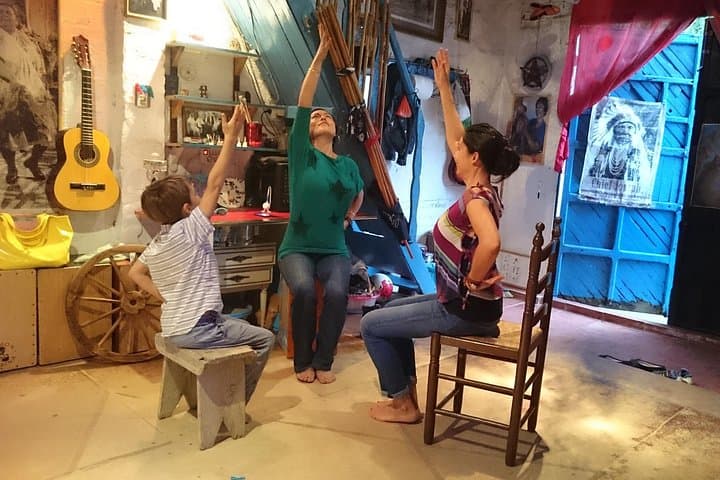
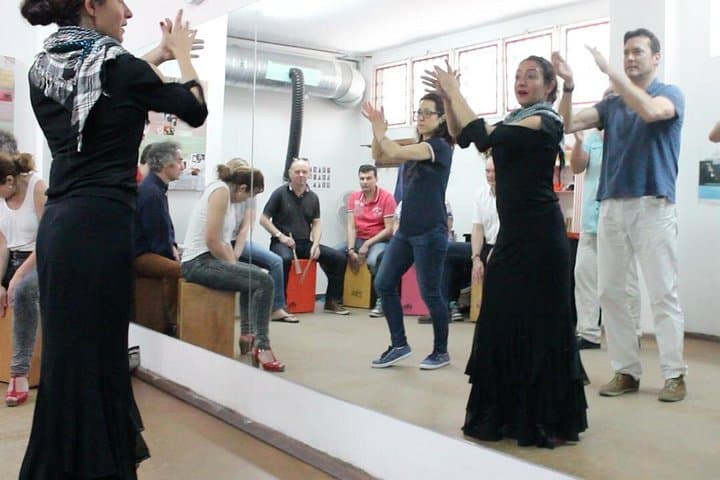
The studio door opens to a warm room where palms, castanets and a guitar rhythm press you into motion. For an hour you stand shoulder-to-shoulder with other curious travelers or local families, learning basic zapateado (percussive footwork), palmas (hand-clapping) and the posture that gives flamenco its quiet force. The instructor calls patterns in Spanish and demonstrates a sequence you’ll repeat until the rhythm sticks.
The studio door opens to a warm room where palms, castanets and a guitar rhythm press you into motion. For an hour you stand shoulder-to-shoulder with other curious travelers or local families, learning basic zapateado (percussive footwork), palmas (hand-clapping) and the posture that gives flamenco its quiet force. The instructor calls patterns in Spanish and demonstrates a sequence you’ll repeat until the rhythm sticks.
Flamenco grew in Andalusia from a blend of Roma, Moorish and Andalusian folk traditions; its pulses still echo the region's layered history. In Seville, the art is both performance and living conversation—markets, neighborhood bars and dance schools keep steps alive. The lesson typically takes place in a neighborhood studio off the tourist circuit, offering a glimpse of day-to-day Sevillian life before you opt for the higher-production evening show.
Practical details matter: classes run about 60 minutes, are suitable for all ages and mobility levels, and usually cap around ten people for hands-on attention. Expect to be on your feet, to learn heel-clicking patterns, and to practice simple choreography rather than master advanced technique.
Bring closed-toe shoes with a firmer sole, hydrate beforehand (Seville gets hot), and plan to arrive early—meeting points can change by email. If you book the optional show, book the earlier evening slot to combine your lesson energy with live musicians. This experience is as much about cultural context and communal rhythm as it is about steps—leave room to listen and to try again.