THE ADVENTURE COLLECTIVE® · Independent discovery and booking for outdoor travel

Step into a real dojo in Asakusa and learn samurai swordsmanship from a seasoned practitioner. This two-hour, small-group class combines cultural context, costume, and hands-on instruction near Tokyo Skytree.
Step into a real dojo in Asakusa and learn samurai swordsmanship from a seasoned practitioner. This two-hour, small-group class combines cultural context, costume, and hands-on instruction near Tokyo Skytree.
You step off the Asakusa streets and into a low-lit dojo where polished wooden floors answer every footfall. Outside, the Sumida River threads past Tokyo Skytree’s glass spine; inside, a master in dark hakama introduces the rhythm of bow, draw and strike. The room narrows your focus until the world is a single wooden blade and a practiced breath.
Verified experiences and guided adventures in the surrounding area.
Operated by Smile Vista | Japan Exclusive Experience · Tokyo, Tokyo
You step off the Asakusa streets and into a low-lit dojo where polished wooden floors answer every footfall. Outside, the Sumida River threads past Tokyo Skytree’s glass spine; inside, a master in dark hakama introduces the rhythm of bow, draw and strike. The room narrows your focus until the world is a single wooden blade and a practiced breath.
This experience sits in the long arc of Japan’s warrior history — samurai etiquette, kata (formalized movements) and theatrical swordplay filtered through centuries of martial practice and modern performance. Asakusa itself has been a commercial and cultural quarter since Edo-era Tokyo; nearby Senso-ji and the riverfront give context to the rituals you practice. Geologically flat lowlands of the Kanto plain mean the setting is urban, but the lesson borrows the region’s intense attention to craft and repetition.
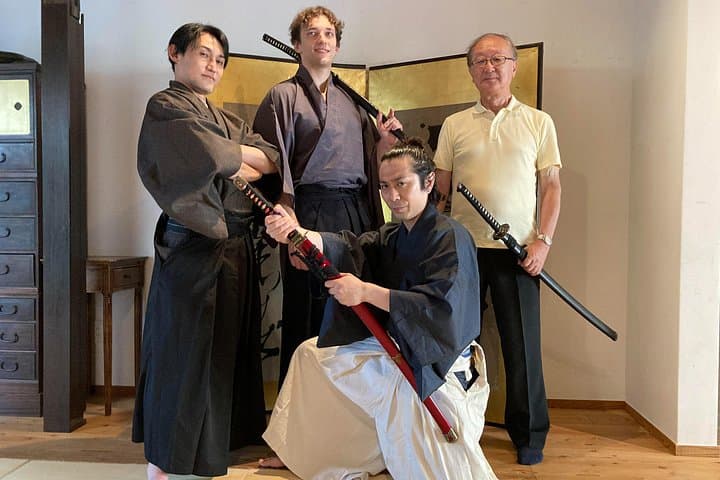
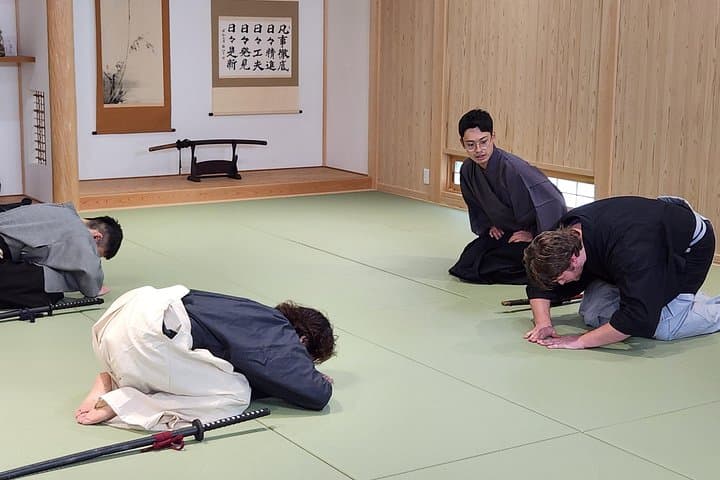
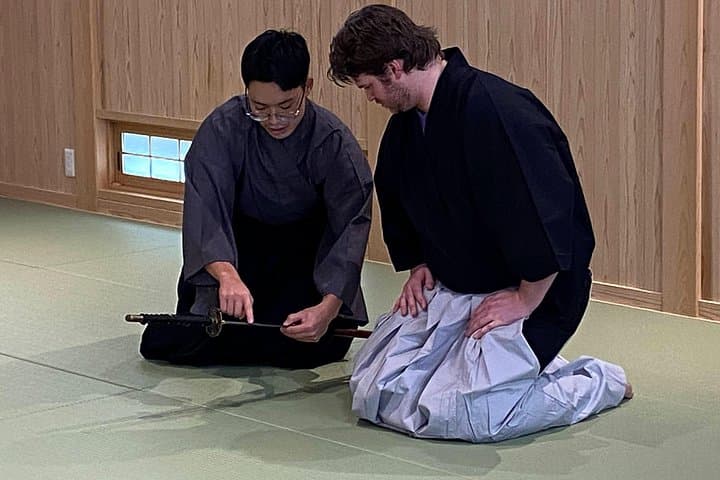
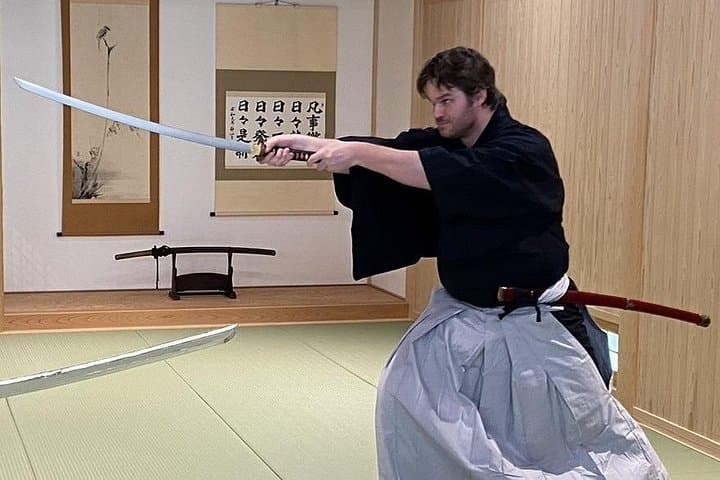
The class pairs practical instruction with cultural framing: you’ll learn respectful bowing, how to draw the practice sword safely, and fundamental stances and strikes. Costumes and a photo session underline the performative side; an English-speaking interpreter and a 25-year veteran instructor keep the learning accessible.
Practical guidance: arrive 10–15 minutes early with ID, wear comfortable, non-restrictive clothing (you’ll change into costume), and expect light physical activity—standing, controlled strikes, and short choreographed sequences. The session runs about 120 minutes, small groups (max six), and finishes with a certificate. Book ahead during weekends and festival seasons in Asakusa to secure your slot.
No. The class is designed for beginners and focuses on basic stances, safety, and choreographed movements.
Yes — traditional samurai attire and a photo shoot are included, and you receive a completion certificate.
Children can participate but check age restrictions with the operator; physical requirements and safety considerations vary by class.
A friendly English-speaking interpreter is provided; instruction is led by an experienced practitioner.
Smile Vista | Japan Exclusive Experience operates guided outdoor trips and adventures with an emphasis on safety, stewardship, and memorable experiences.
You step off the Asakusa streets and into a low-lit dojo where polished wooden floors answer every footfall. Outside, the Sumida River threads past Tokyo Skytree’s glass spine; inside, a master in dark hakama introduces the rhythm of bow, draw and strike. The room narrows your focus until the world is a single wooden blade and a practiced breath.
You step off the Asakusa streets and into a low-lit dojo where polished wooden floors answer every footfall. Outside, the Sumida River threads past Tokyo Skytree’s glass spine; inside, a master in dark hakama introduces the rhythm of bow, draw and strike. The room narrows your focus until the world is a single wooden blade and a practiced breath.
This experience sits in the long arc of Japan’s warrior history — samurai etiquette, kata (formalized movements) and theatrical swordplay filtered through centuries of martial practice and modern performance. Asakusa itself has been a commercial and cultural quarter since Edo-era Tokyo; nearby Senso-ji and the riverfront give context to the rituals you practice. Geologically flat lowlands of the Kanto plain mean the setting is urban, but the lesson borrows the region’s intense attention to craft and repetition.
The class pairs practical instruction with cultural framing: you’ll learn respectful bowing, how to draw the practice sword safely, and fundamental stances and strikes. Costumes and a photo session underline the performative side; an English-speaking interpreter and a 25-year veteran instructor keep the learning accessible.
Practical guidance: arrive 10–15 minutes early with ID, wear comfortable, non-restrictive clothing (you’ll change into costume), and expect light physical activity—standing, controlled strikes, and short choreographed sequences. The session runs about 120 minutes, small groups (max six), and finishes with a certificate. Book ahead during weekends and festival seasons in Asakusa to secure your slot.