THE ADVENTURE COLLECTIVE® · Independent discovery and booking for outdoor travel

Step into a Yamanashi budokan for a two-hour introductory kendo lesson that blends strict etiquette with hands-on sword work. Ideal for beginners, the class covers posture, strikes, supervised matches, and ends with a communal cooldown and bathing facilities.
Step into a Yamanashi budokan for a two-hour introductory kendo lesson that blends strict etiquette with hands-on sword work. Ideal for beginners, the class covers posture, strikes, supervised matches, and ends with a communal cooldown and bathing facilities.
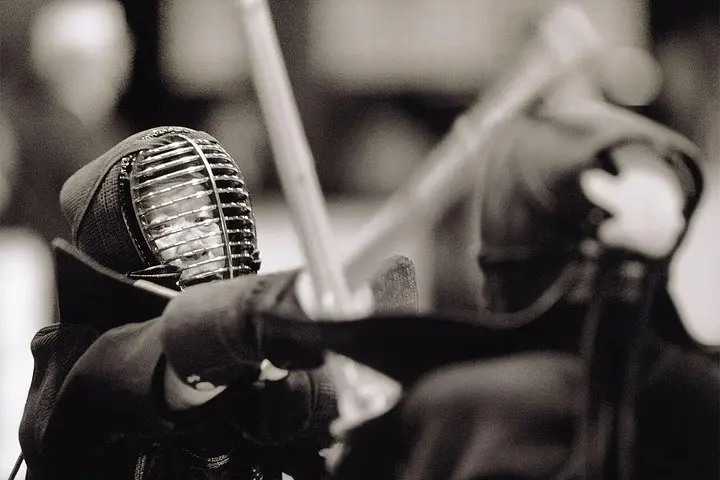
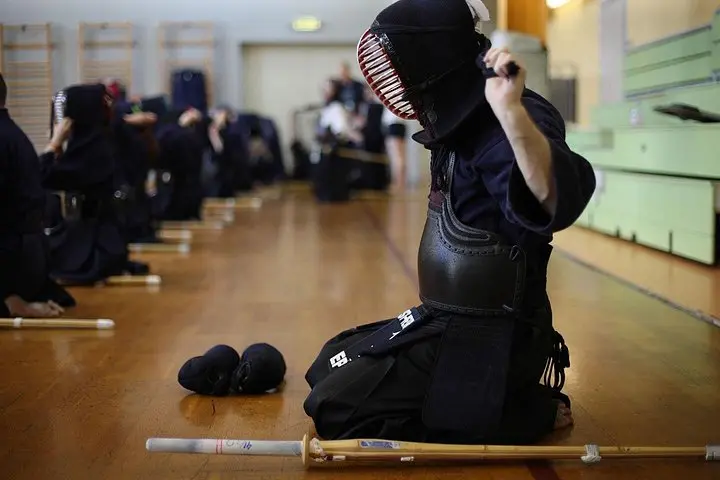
A breath of warmed wood and waxed floor greets you as participants bow into the training hall. The instructor—a compact presence in a karate-style keikogi—guides a small group through the ritual: bow, posture, grip. Bamboo swords click rhythmically, and the room fills with focused breath and the sharp cry of kiai.
Verified experiences and guided adventures in the surrounding area.
Operated by Mario · Kofu, Yamanashi
A breath of warmed wood and waxed floor greets you as participants bow into the training hall. The instructor—a compact presence in a karate-style keikogi—guides a small group through the ritual: bow, posture, grip. Bamboo swords click rhythmically, and the room fills with focused breath and the sharp cry of kiai.
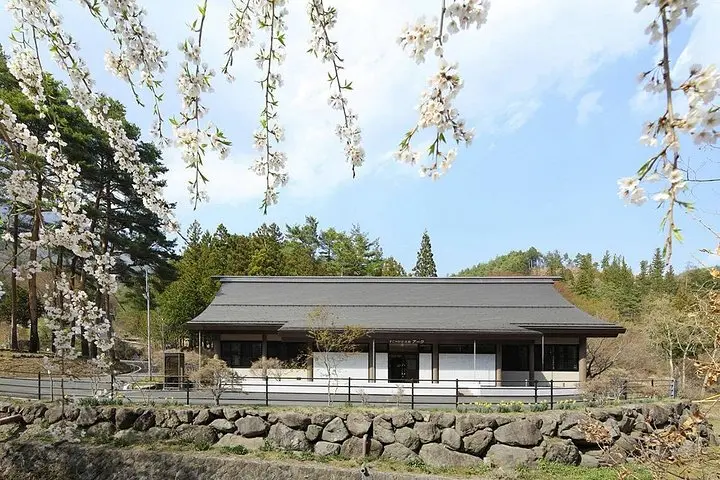
Kendo grew from samurai kenjutsu and was formalized in the Meiji and Taisho eras as a discipline to train both body and ethics. Practicing at a regional budokan in Yamanashi layers modern sporting practice over centuries of etiquette. The prefecture’s volcanic geology and clear air—fed by nearby ranges and views toward Mt. Fuji—have long framed local traditions of physical discipline and hot-spring recovery.
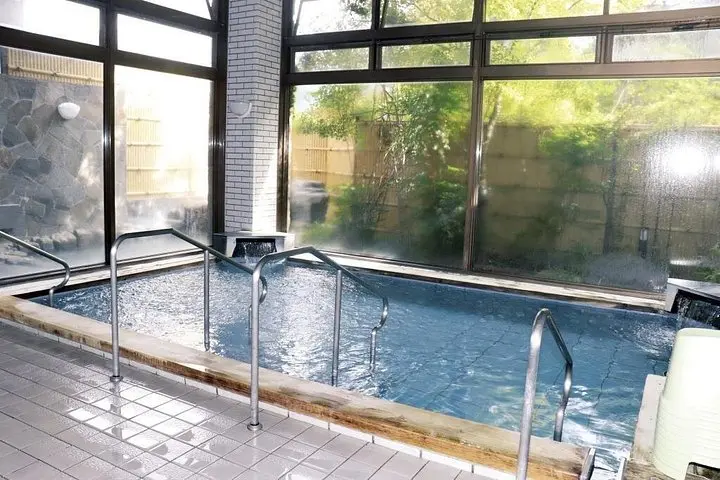
Expect an accessible, two-hour class that starts with etiquette, moves through posture and strikes, and ends with supervised randori (matches) and a Q&A. The operator supplies a keikogi, protective bogu, and shinai; there’s a bathing facility on-site to rinse off after training. Nearby, cultural stops like Shosenkyo Gorge and local onsen towns offer a softer cooldown after practice.
Practical guidance: arrive hydrated and in flexible athletic clothes (uniform provided). Wear slip-on shoes for changing into dojo slippers; plan to shower or soak after class—bring a towel or rent one on-site if needed. Beginners should listen closely to etiquette instructions; respectful silence and careful attention speed learning and keep the class safe. Book early—group sizes can reach dozens—so you get hands-on time with the instructor.
The fee covers instruction, use of keikogi, protective bogu, a bamboo sword (shinai), and bathing facility access.
No—classes are designed for beginners and include basic posture, gripping, and supervised matches.
Yes—this venue reports wheelchair-accessible surfaces and transportation options; check specific mobility needs with the operator.
Shared sessions can include up to 40 participants, so booking early is recommended for more individualized attention.
Mario operates guided outdoor trips and adventures with an emphasis on safety, stewardship, and memorable experiences.
A breath of warmed wood and waxed floor greets you as participants bow into the training hall. The instructor—a compact presence in a karate-style keikogi—guides a small group through the ritual: bow, posture, grip. Bamboo swords click rhythmically, and the room fills with focused breath and the sharp cry of kiai.
A breath of warmed wood and waxed floor greets you as participants bow into the training hall. The instructor—a compact presence in a karate-style keikogi—guides a small group through the ritual: bow, posture, grip. Bamboo swords click rhythmically, and the room fills with focused breath and the sharp cry of kiai.
Kendo grew from samurai kenjutsu and was formalized in the Meiji and Taisho eras as a discipline to train both body and ethics. Practicing at a regional budokan in Yamanashi layers modern sporting practice over centuries of etiquette. The prefecture’s volcanic geology and clear air—fed by nearby ranges and views toward Mt. Fuji—have long framed local traditions of physical discipline and hot-spring recovery.
Expect an accessible, two-hour class that starts with etiquette, moves through posture and strikes, and ends with supervised randori (matches) and a Q&A. The operator supplies a keikogi, protective bogu, and shinai; there’s a bathing facility on-site to rinse off after training. Nearby, cultural stops like Shosenkyo Gorge and local onsen towns offer a softer cooldown after practice.
Practical guidance: arrive hydrated and in flexible athletic clothes (uniform provided). Wear slip-on shoes for changing into dojo slippers; plan to shower or soak after class—bring a towel or rent one on-site if needed. Beginners should listen closely to etiquette instructions; respectful silence and careful attention speed learning and keep the class safe. Book early—group sizes can reach dozens—so you get hands-on time with the instructor.