THE ADVENTURE COLLECTIVE® · Independent discovery and booking for outdoor travel

Get up on an eFoil at Ala Moana in a focused 2-hour group lesson—short classroom instruction, three 20-minute water runs per student, and local coaching in protected reef waters. Ideal for first-timers who can swim and want a low-impact, high-thrill glide above the sea.
Get up on an eFoil at Ala Moana in a focused 2-hour group lesson—short classroom instruction, three 20-minute water runs per student, and local coaching in protected reef waters. Ideal for first-timers who can swim and want a low-impact, high-thrill glide above the sea.
The ocean greets you with a steady trade-wind breath as you unpack boards on the sand at Ala Moana. Waves here are rarely aggressive—more of a courteous push—so the water dares you to stand, lean and let an electric mast lift you a few inches above the surface. In the first half hour instructors move through a concise ground school: radio helmets, basics of the remote, safety checks and how to fall away from the foil.
Verified experiences and guided adventures in the surrounding area.
Operated by Foil Surfing Hawaii · Honolulu, Hawaii
The ocean greets you with a steady trade-wind breath as you unpack boards on the sand at Ala Moana. Waves here are rarely aggressive—more of a courteous push—so the water dares you to stand, lean and let an electric mast lift you a few inches above the surface. In the first half hour instructors move through a concise ground school: radio helmets, basics of the remote, safety checks and how to fall away from the foil.
Hawai‘i’s surf culture runs under the experience—ancient Polynesians rode waves for transport and ceremony, and modern tech like the eFoil extends that impulse into quiet, fast glides. Geologically, the bay sits on reef-protected shallow water, offering clear visibility and a forgiving depth for beginners. The area’s culture skews practical and outdoors-first: expect quick, friendly coaching and local tips about currents and lunch spots.
Practical details matter. Lessons run about two hours with three 20-minute water sessions per student and short breaks between runs; one foil per student and a two-student minimum keeps groups compact. Life vests and radio helmets are supplied; weight limits apply. Plan to arrive 10–15 minutes early—there are changing rooms and showers on the south side of the carpark.
To get the most from the lesson, hydrate, wear reef-safe sunscreen and a snug rashguard, and be ready to paddle into calm water to start. The eFoil rewards patience: initial wobble gives way to a steady, almost humming flight above the reef, and then the ocean becomes a partner rather than an obstacle.
No; instructors provide ground school and guided water time—basic swimming and balance are enough to get started.
The operator advises guests not exceed about 250 lb due to equipment and safety considerations—confirm during booking.
Lessons may be canceled for rough surf or poor conditions; the cancellation policy typically allows full refunds if canceled at least 24 hours in advance.
Yes—CGA life vests and radio helmets are provided along with the e-foil board and remote.
Foil Surfing Hawaii operates guided outdoor trips and adventures with an emphasis on safety, stewardship, and memorable experiences.


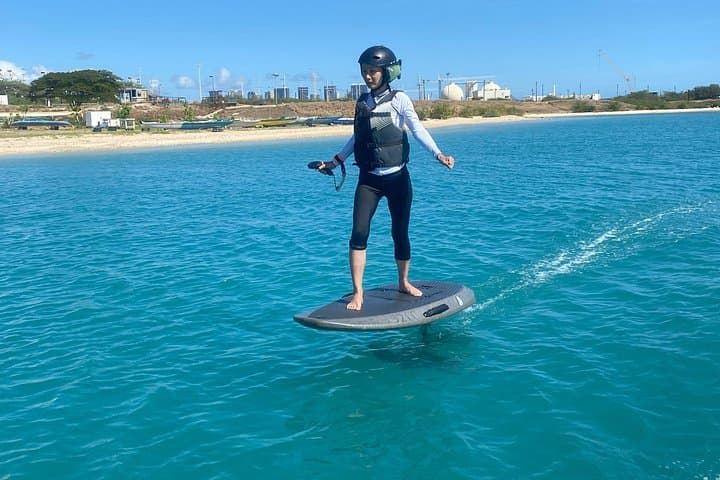
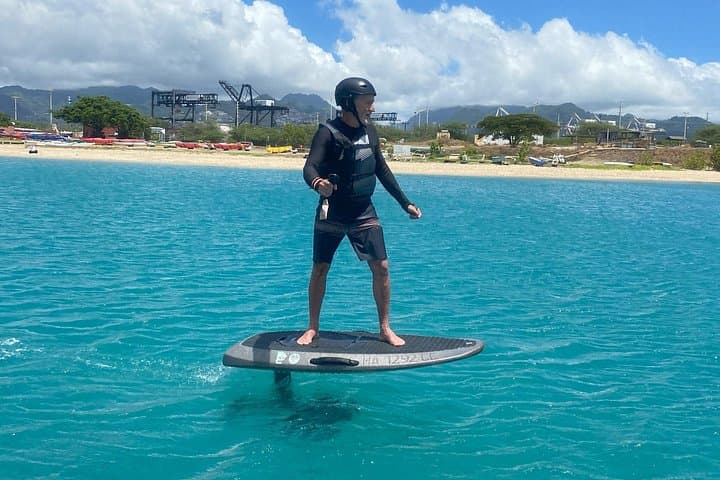
The ocean greets you with a steady trade-wind breath as you unpack boards on the sand at Ala Moana. Waves here are rarely aggressive—more of a courteous push—so the water dares you to stand, lean and let an electric mast lift you a few inches above the surface. In the first half hour instructors move through a concise ground school: radio helmets, basics of the remote, safety checks and how to fall away from the foil.
The ocean greets you with a steady trade-wind breath as you unpack boards on the sand at Ala Moana. Waves here are rarely aggressive—more of a courteous push—so the water dares you to stand, lean and let an electric mast lift you a few inches above the surface. In the first half hour instructors move through a concise ground school: radio helmets, basics of the remote, safety checks and how to fall away from the foil.
Hawai‘i’s surf culture runs under the experience—ancient Polynesians rode waves for transport and ceremony, and modern tech like the eFoil extends that impulse into quiet, fast glides. Geologically, the bay sits on reef-protected shallow water, offering clear visibility and a forgiving depth for beginners. The area’s culture skews practical and outdoors-first: expect quick, friendly coaching and local tips about currents and lunch spots.
Practical details matter. Lessons run about two hours with three 20-minute water sessions per student and short breaks between runs; one foil per student and a two-student minimum keeps groups compact. Life vests and radio helmets are supplied; weight limits apply. Plan to arrive 10–15 minutes early—there are changing rooms and showers on the south side of the carpark.
To get the most from the lesson, hydrate, wear reef-safe sunscreen and a snug rashguard, and be ready to paddle into calm water to start. The eFoil rewards patience: initial wobble gives way to a steady, almost humming flight above the reef, and then the ocean becomes a partner rather than an obstacle.