THE ADVENTURE COLLECTIVE® · Independent discovery and booking for outdoor travel

Spend four days learning scuba skills on Koh Tao with La Bombona Diving. This Open Water course combines pool training and four guided boat dives to prepare new divers for reef exploration.
Spend four days learning scuba skills on Koh Tao with La Bombona Diving. This Open Water course combines pool training and four guided boat dives to prepare new divers for reef exploration.
The sun warms the boat deck as the crew checks tanks and the sea calls you forward—distant bommies and clear water promise a classroom you can float through.
Verified experiences and guided adventures in the surrounding area.
Operated by La Bombona Diving · Mae Haad, Surat Thani
The sun warms the boat deck as the crew checks tanks and the sea calls you forward—distant bommies and clear water promise a classroom you can float through.
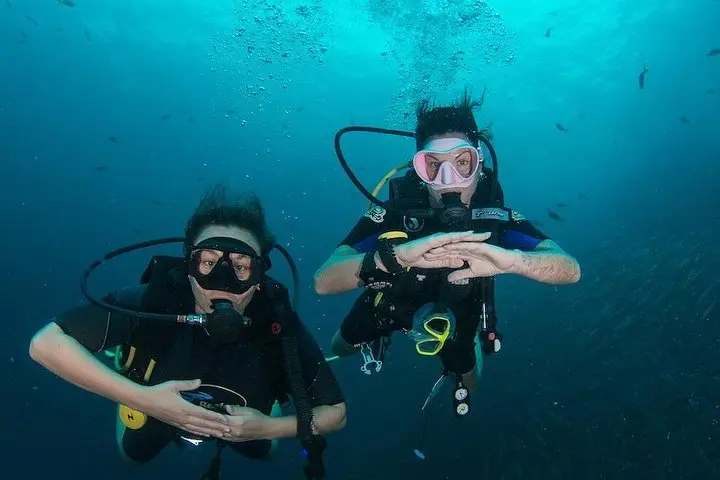
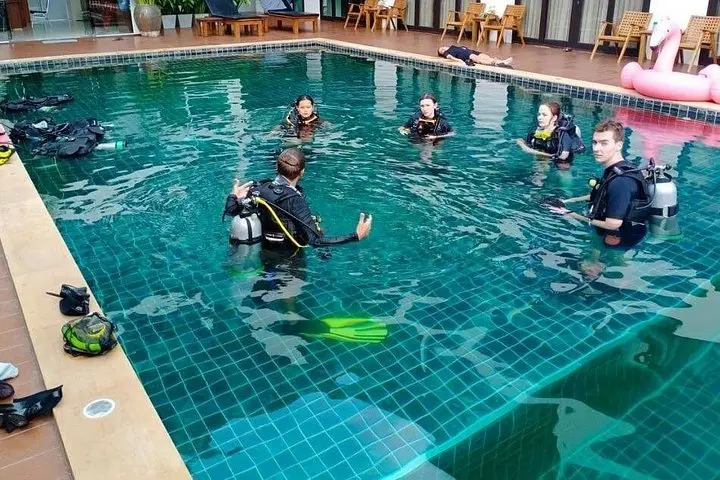
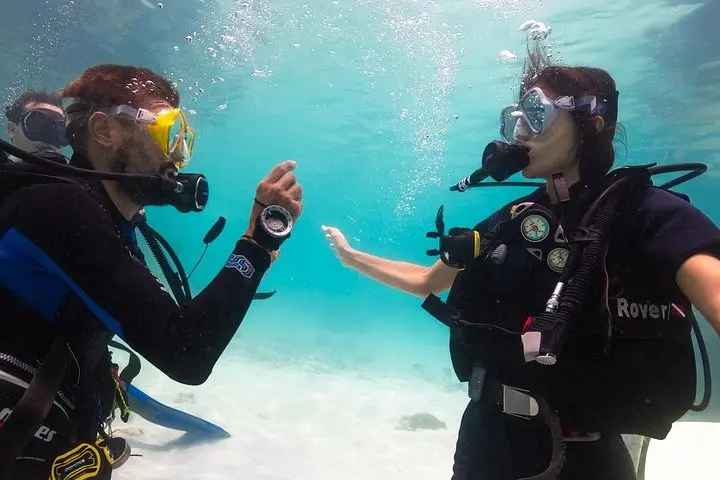
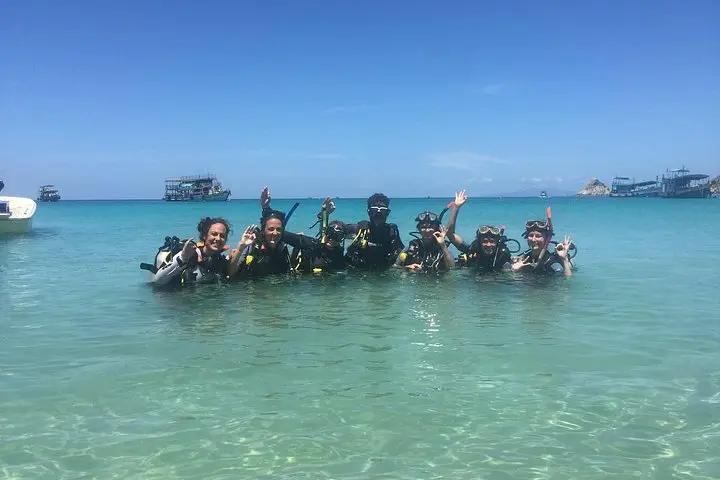
On Koh Tao, La Bombona’s four-day Open Water course moves from a calm pool session into the island’s shallow reefs and deeper boat dives. Participants learn breathing and buoyancy skills, emergency procedures, and basic navigation before making four open water dives from a stable three-story dive boat that doubles as a classroom and support platform.
Koh Tao evolved from a tiny fishing and mining outpost into one of Southeast Asia’s premier dive hubs; its granite and sandstone base and coral growth create sheltered bays and steep bommies that attract turtles, reef sharks, and colorful reef fish.
Culturally, the island is fast-paced and dive-focused—local operators emphasize safety and conservation, with many shops supporting coral-monitoring and reef-cleanup efforts.
Practical guidance: bring a well-fitting mask if you have one, and practice basic swim comfort before arrival. Expect brief classroom sessions, one confined-water skill session, then guided boat dives to sites like Japanese Gardens and Twins. Sea conditions vary—calm, clear water is common in dry months; learn-to-dive days are scheduled to match conditions when possible.
Health rules: no recent ear surgery, pregnancy, or serious cardiac issues; a medical declaration is required. Hydrate, avoid alcohol before dives, and carry reef-safe sunscreen. If you’re seasick-prone, take precautions before boat travel.
By course end you’ll leave with PADI/affiliated certification credentials and a tangible sense of marine place—skills that turn the ocean from a view into a dependable playground.
No prior scuba experience is required; the Open Water course starts with pool/confined-water skills before progressing to open water dives.
You’ll complete a medical declaration; recent ear surgery, pregnancy, or significant cardiovascular issues commonly require physician approval or prevent participation.
Yes—after successful completion you receive an internationally recognized Open Water certification from the issuing agency used by the dive school.
Training dives for Open Water certification typically reach up to 18 meters (60 feet) under instructor supervision.
La Bombona Diving operates guided outdoor trips and adventures with an emphasis on safety, stewardship, and memorable experiences.
The sun warms the boat deck as the crew checks tanks and the sea calls you forward—distant bommies and clear water promise a classroom you can float through.
The sun warms the boat deck as the crew checks tanks and the sea calls you forward—distant bommies and clear water promise a classroom you can float through.
On Koh Tao, La Bombona’s four-day Open Water course moves from a calm pool session into the island’s shallow reefs and deeper boat dives. Participants learn breathing and buoyancy skills, emergency procedures, and basic navigation before making four open water dives from a stable three-story dive boat that doubles as a classroom and support platform.
Koh Tao evolved from a tiny fishing and mining outpost into one of Southeast Asia’s premier dive hubs; its granite and sandstone base and coral growth create sheltered bays and steep bommies that attract turtles, reef sharks, and colorful reef fish.
Culturally, the island is fast-paced and dive-focused—local operators emphasize safety and conservation, with many shops supporting coral-monitoring and reef-cleanup efforts.
Practical guidance: bring a well-fitting mask if you have one, and practice basic swim comfort before arrival. Expect brief classroom sessions, one confined-water skill session, then guided boat dives to sites like Japanese Gardens and Twins. Sea conditions vary—calm, clear water is common in dry months; learn-to-dive days are scheduled to match conditions when possible.
Health rules: no recent ear surgery, pregnancy, or serious cardiac issues; a medical declaration is required. Hydrate, avoid alcohol before dives, and carry reef-safe sunscreen. If you’re seasick-prone, take precautions before boat travel.
By course end you’ll leave with PADI/affiliated certification credentials and a tangible sense of marine place—skills that turn the ocean from a view into a dependable playground.