THE ADVENTURE COLLECTIVE® · Independent discovery and booking for outdoor travel

Half-day ski and telemark lessons near Karuizawa deliver clear, patient instruction on gentle, groomed runs—perfect for beginners, families, and intermediate skiers seeking technique refinement. Read on for what to expect, travel tips, and gear essentials.
Half-day ski and telemark lessons near Karuizawa deliver clear, patient instruction on gentle, groomed runs—perfect for beginners, families, and intermediate skiers seeking technique refinement. Read on for what to expect, travel tips, and gear essentials.
Snow packs the lower slopes of Karuizawa into a patient classroom. Morning light cuts across the groomed runs at the Prince Ski Resort and nearby hills, where instructors translate balance and edge control into steady progress for first-timers and intermediate skiers alike.
Verified experiences and guided adventures in the surrounding area.
Snow packs the lower slopes of Karuizawa into a patient classroom. Morning light cuts across the groomed runs at the Prince Ski Resort and nearby hills, where instructors translate balance and edge control into steady progress for first-timers and intermediate skiers alike.
Karuizawa’s winter scene is a modern extension of its long history as a mountain retreat—favored by foreign residents in the Meiji era for cool summers, and later adapted to year-round recreation. Geologically, the region sits on volcanic foothills of Mount Asama; the terrain offers short, rolling runs rather than alpine verticals, which makes it ideal for lessons. Local culture blends small-town ryokan hospitality with café-lined streets in the town center, so a lesson often finishes with hot tea and local soba.
Expect a structured half-day (about five hours) of on-snow drills: stance, stopping, turning, and for some groups, telemark basics. Instructors typically adapt sessions for families and kids under 12, though child-to-instructor ratios can be limited. Terrain is groomed, low-angle and forgiving—good for building confidence—and lifts are straightforward.
Practical guidance: book transfers from Tokyo in advance, arrive layered for temperature swings, and allow time for boot fitting if renting. Wear waterproof outer layers, bring sunscreen and a small hydration pack, and plan lessons earlier in the day for firmer snow and clearer visibility. Stick to marked areas; local instructors will point out safe practice zones and recommended progression for continued practice after the lesson.
Yes—qualified instructors specialize in beginner progressions, covering balance, stopping, and basic turns on gentle slopes.
Children under 12 are allowed, but group size and age-specific restrictions may apply—confirm at booking to ensure appropriate instructor ratios.
Rental policies vary; reserves time for boot fitting and request confirmatory details at booking—many operators offer optional rental packages.
Shinkansen from Tokyo Station to Karuizawa takes about 65–75 minutes; allow extra time for transfers to the ski area or book a direct transfer.
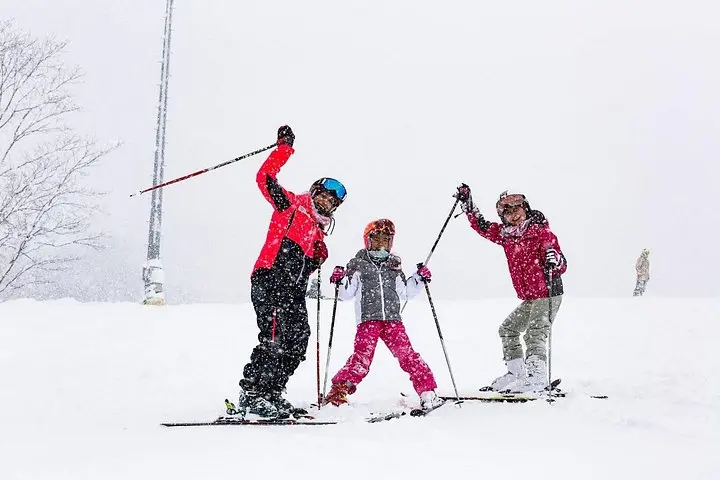
Snow packs the lower slopes of Karuizawa into a patient classroom. Morning light cuts across the groomed runs at the Prince Ski Resort and nearby hills, where instructors translate balance and edge control into steady progress for first-timers and intermediate skiers alike.
Snow packs the lower slopes of Karuizawa into a patient classroom. Morning light cuts across the groomed runs at the Prince Ski Resort and nearby hills, where instructors translate balance and edge control into steady progress for first-timers and intermediate skiers alike.
Karuizawa’s winter scene is a modern extension of its long history as a mountain retreat—favored by foreign residents in the Meiji era for cool summers, and later adapted to year-round recreation. Geologically, the region sits on volcanic foothills of Mount Asama; the terrain offers short, rolling runs rather than alpine verticals, which makes it ideal for lessons. Local culture blends small-town ryokan hospitality with café-lined streets in the town center, so a lesson often finishes with hot tea and local soba.
Expect a structured half-day (about five hours) of on-snow drills: stance, stopping, turning, and for some groups, telemark basics. Instructors typically adapt sessions for families and kids under 12, though child-to-instructor ratios can be limited. Terrain is groomed, low-angle and forgiving—good for building confidence—and lifts are straightforward.
Practical guidance: book transfers from Tokyo in advance, arrive layered for temperature swings, and allow time for boot fitting if renting. Wear waterproof outer layers, bring sunscreen and a small hydration pack, and plan lessons earlier in the day for firmer snow and clearer visibility. Stick to marked areas; local instructors will point out safe practice zones and recommended progression for continued practice after the lesson.