THE ADVENTURE COLLECTIVE® · Independent discovery and booking for outdoor travel

Take beginner-friendly surf and bodyboard lessons along Sintra’s raw Atlantic coast. Small-group instruction, wetsuits and boards provided, with classes held at Praia das Maçãs, Praia Grande or Carcavelos depending on conditions.
Take beginner-friendly surf and bodyboard lessons along Sintra’s raw Atlantic coast. Small-group instruction, wetsuits and boards provided, with classes held at Praia das Maçãs, Praia Grande or Carcavelos depending on conditions.
Morning light hits the Atlantic and the beach exhales: a long crescent of wet sand, a line of foamy white pushing and pulling, and a small group of students listening to an instructor’s calm, practical briefing. That’s the first scene you’ll meet on surf and bodyboard classes that operate between Praia das Maçãs, Praia Grande and—when conditions demand—a shift south to Carcavelos.
Verified experiences and guided adventures in the surrounding area.
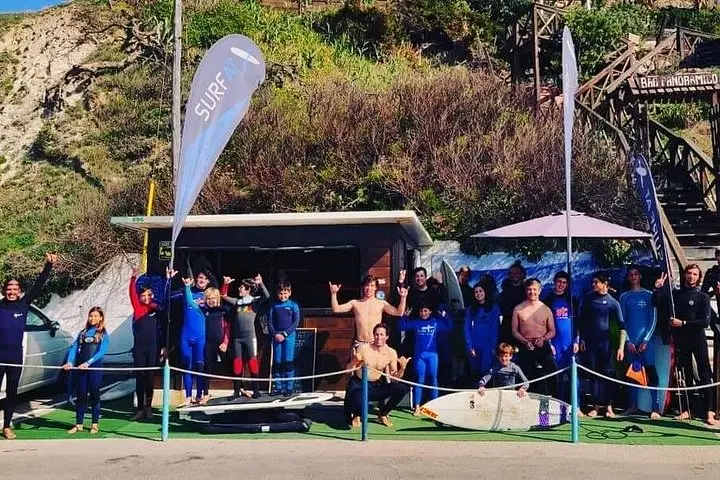
Operated by Surf At Surf School · Sintra, Lisbon District
Morning light hits the Atlantic and the beach exhales: a long crescent of wet sand, a line of foamy white pushing and pulling, and a small group of students listening to an instructor’s calm, practical briefing. That’s the first scene you’ll meet on surf and bodyboard classes that operate between Praia das Maçãs, Praia Grande and—when conditions demand—a shift south to Carcavelos.
This stretch of the Portuguese coast blends rugged limestone cliffs and Quaternary sand deposits, shaped by winter swells that sculpted consistent beach breaks ideal for learning. Sintra’s nearby fishing villages and maritime heritage mean surf culture here is low-key and tied to local life rather than tourist spectacle. The Portuguese Surfing Federation certifies instruction standards widely used in the region, so expect trained coaches, safety briefings and a focus on technique.
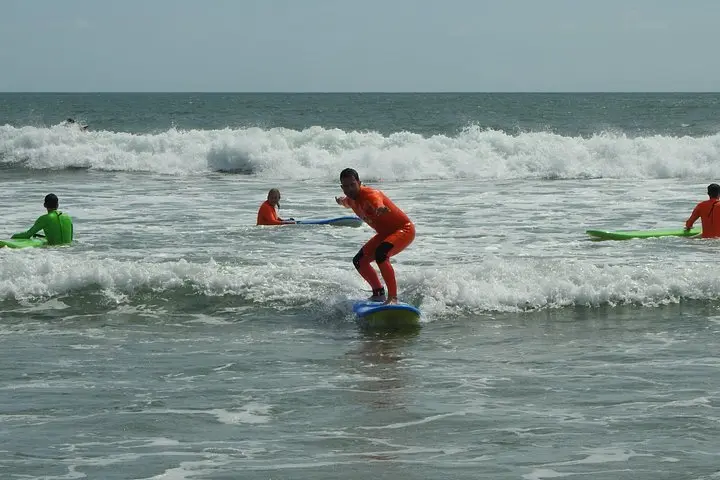
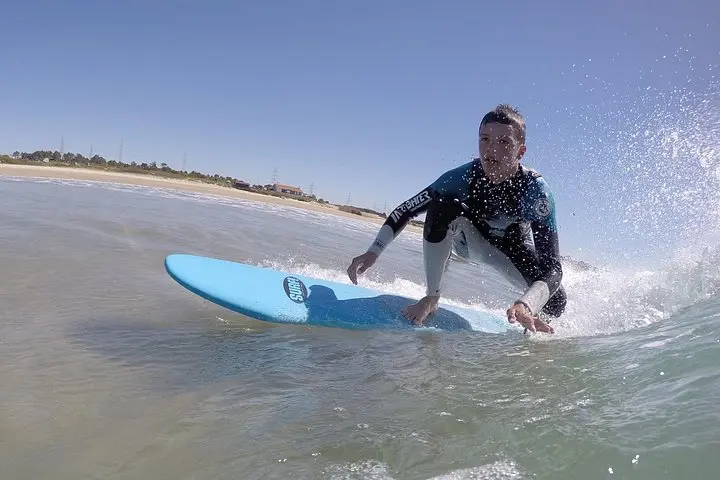
Practically: lessons run roughly 90–120 minutes with a 1:5 instructor-to-student ratio; all equipment is supplied (4.3mm neoprene suits and suitably sized boards). Best learning windows are mid to high tide with small to medium beach breaks that break cleanly for beginners. Instructors will cover ocean safety, pop-up technique, wave selection and bodyboarding posture, mixing in on-shore drills before entering the water.
Plan to arrive with swimwear beneath your wetsuit, a filled water bottle, and at least 30 minutes to sign waivers and warm up. Sun can be deceptive—apply waterproof sunscreen even on overcast days. If conditions are too big or glassy, sessions move beaches or are rescheduled; the operators prioritize safety and sea-state awareness, so flexibility pays off.
Yes — classes are structured for all levels, with on-shore drills and incremental water time; instructors adapt progressions to each student.
Yes — courses include a 4.3mm neoprene suit and a board matched to your size and level; bring your own boots if you prefer them.
Operators will cancel or move locations if sea conditions are unsafe; the listed policy normally allows a full refund for cancellations more than 24 hours ahead.
You should be comfortable in the water and able to tread or float; instructors supervise closely but basic swimming ability is recommended.
Surf At Surf School operates guided outdoor trips and adventures with an emphasis on safety, stewardship, and memorable experiences.
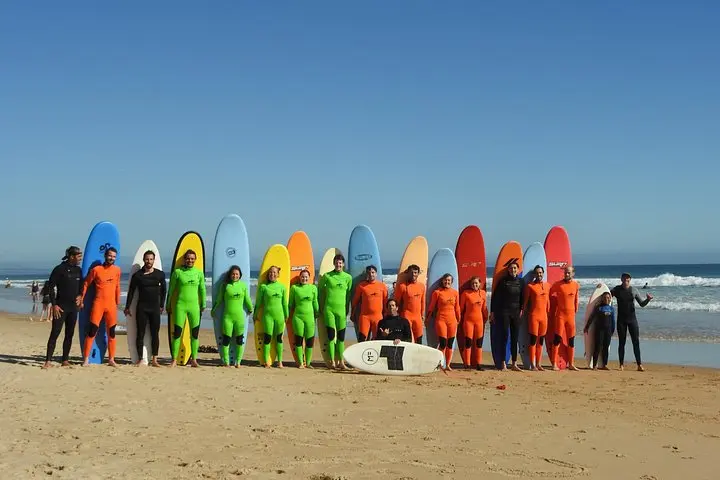
Morning light hits the Atlantic and the beach exhales: a long crescent of wet sand, a line of foamy white pushing and pulling, and a small group of students listening to an instructor’s calm, practical briefing. That’s the first scene you’ll meet on surf and bodyboard classes that operate between Praia das Maçãs, Praia Grande and—when conditions demand—a shift south to Carcavelos.
Morning light hits the Atlantic and the beach exhales: a long crescent of wet sand, a line of foamy white pushing and pulling, and a small group of students listening to an instructor’s calm, practical briefing. That’s the first scene you’ll meet on surf and bodyboard classes that operate between Praia das Maçãs, Praia Grande and—when conditions demand—a shift south to Carcavelos.
This stretch of the Portuguese coast blends rugged limestone cliffs and Quaternary sand deposits, shaped by winter swells that sculpted consistent beach breaks ideal for learning. Sintra’s nearby fishing villages and maritime heritage mean surf culture here is low-key and tied to local life rather than tourist spectacle. The Portuguese Surfing Federation certifies instruction standards widely used in the region, so expect trained coaches, safety briefings and a focus on technique.
Practically: lessons run roughly 90–120 minutes with a 1:5 instructor-to-student ratio; all equipment is supplied (4.3mm neoprene suits and suitably sized boards). Best learning windows are mid to high tide with small to medium beach breaks that break cleanly for beginners. Instructors will cover ocean safety, pop-up technique, wave selection and bodyboarding posture, mixing in on-shore drills before entering the water.
Plan to arrive with swimwear beneath your wetsuit, a filled water bottle, and at least 30 minutes to sign waivers and warm up. Sun can be deceptive—apply waterproof sunscreen even on overcast days. If conditions are too big or glassy, sessions move beaches or are rescheduled; the operators prioritize safety and sea-state awareness, so flexibility pays off.